第47章保全生物学と生物多様性
47.2 The Importance of Biodiversity to Human Life47.2 人間の生活にとっての生物多様性の重要性
Learning Objectives学習目標
By the end of this section, you will be able to do the following:
この節を学び終えると、次のことができるようになる。
- Identify chemical diversity benefits to humans化学的多様性が人間にもたらす恩恵を挙げる。
- Identify biodiversity components that support human agriculture人間の農業を支える、生物多様性の構成要素を挙げる。
- Describe ecosystem services生態系サービスを説明する。
It may not be clear why biologists are concerned about biodiversity loss. When biodiversity loss is thought of as the extinction of the passenger pigeon, the dodo bird, and even the woolly mammoth, the loss may appear to be an emotional one. But is the loss practically important for the welfare of the human species? From the perspective of evolution and ecology, the loss of a particular individual species is unimportant (however, we should note that the loss of a keystone species can lead to ecological disaster). Extinction is a normal part of macroevolution. But the accelerated extinction rate translates into the loss of tens of thousands of species within our lifetimes, and it is likely to have dramatic effects on human welfare through the collapse of ecosystems and in added costs to maintain food production, clean air and water, and human health.
英語のヒント
生物学者が生物多様性の喪失を懸念する理由は、分かりにくいかもしれない。リョコウバト、ドードー、ケナガマンモスの絶滅として考えると、感情的な損失に見えることがある。しかし、人類の幸福にとって実用的な重要性はあるのだろうか。進化と生態学の観点では、特定の1種の喪失は重要ではない。ただし、キーストーン種の喪失が生態学的な大災害につながりうることには注意すべきである。絶滅は大進化の通常の一部である。しかし、絶滅率が加速すると、私たちが生きている間に数万種が失われることになる。生態系の崩壊や、食料生産、清浄な空気と水、人間の健康を維持する追加費用を通じて、人類の幸福に劇的な影響が及ぶ可能性が高い。
Agriculture began after early hunter-gatherer societies first settled in one place and heavily modified their immediate environment. This cultural transition has made it difficult for humans to recognize their dependence on undomesticated living things on the planet. Biologists recognize the human species is embedded in ecosystems and is dependent on them, just as every other species on the planet is dependent. Technology smooths out the extremes of existence, but ultimately the human species cannot exist without a supportive ecosystem.
英語のヒント
農業は、初期の狩猟採集社会が1か所に定住し、身近な環境を大きく変えた後に始まった。この文化的転換によって、人間は地球上の野生生物への依存に気づきにくくなった。生物学者は、人類も地球上のほかのあらゆる種と同じく、生態系に組み込まれ、それに依存していると理解している。技術は生存条件の極端さを和らげるが、究極的には、人類を支える生態系なしに生きることはできない。
Human Health人間の健康
Archeological evidence indicates that humans have been using plants for medicinal uses for thousands of years. A Chinese document from approximately 2800 BC is believed to be the first written account of herbal remedies, and such references occur throughout the global historical record. Contemporary indigenous societies that live close to the land often retain broad knowledge of the medicinal uses of plants growing in their area. Most plants produce secondary plant compounds, which are toxins used to protect the plant from insects and other animals that eat them, but some of which also work as medication.
英語のヒント
考古学的証拠は、人間が数千年にわたり植物を薬として使ってきたことを示す。紀元前2800年ごろの中国の文書が、薬草療法の最初の記録と考えられ、世界各地の歴史記録にも同様の言及がある。現在も土地と密接に関わって暮らす先住民社会では、地元の植物の薬用について幅広い知識を保っていることが多い。大半の植物は、昆虫やほかの草食動物から身を守る毒として植物二次代謝産物を作るが、その一部は薬としても働く。
Modern pharmaceutical science also recognizes the importance of these plant compounds. Examples of significant medicines derived from plant compounds include aspirin, codeine, digoxin, atropine, and vincristine (Figure 47.8). Many medicines were once derived from plant extracts but are now synthesized. It is estimated that, at one time, 25 percent of modern drugs contained at least one plant extract. That number has probably decreased to about 10 percent as natural plant ingredients are replaced by synthetic versions. Antibiotics, which are responsible for extraordinary improvements in health and lifespans in developed countries, are compounds largely derived from fungi and bacteria.
英語のヒント
現代の薬学も、これらの植物化合物の重要性を認めている。由来する重要な薬には、アスピリン、コデイン、ジゴキシン、アトロピン、ビンクリスチンなどがある(図47.8)。かつて植物抽出物から得ていた薬の多くは、現在は合成される。一時期には、現代の薬の25%が少なくとも1種類の植物抽出物を含んでいたと推定される。天然の植物成分が合成品へ置き換わるにつれ、この割合は約10%へ下がったと考えられる。先進国の健康と寿命を飛躍的に改善した抗生物質は、大部分が菌類や細菌に由来する化合物である。
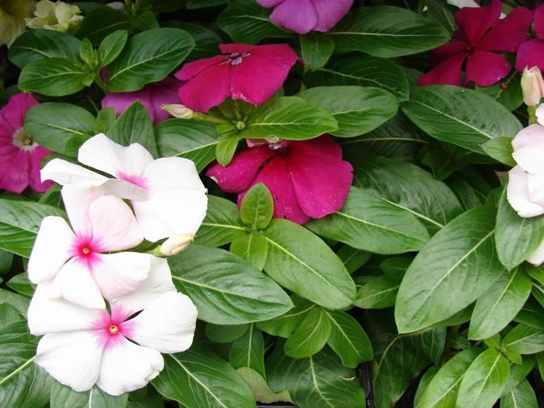

Figure 47.8図 47.8
Catharanthus roseus, the Madagascar periwinkle, has various medicinal properties. Among other uses, it is a source of vincristine, a drug used in the treatment of lymphomas. (credit: Forest and Kim Starr)
ニチニチソウ(Catharanthus roseus)は、さまざまな薬効をもつ。用途の1つとして、リンパ腫の治療に使うビンクリスチンの供給源となる。(出典:Forest and Kim Starr)
In recent years, animal venoms and poisons have excited intense research for their medicinal potential. By 2007, the FDA had approved five drugs based on animal toxins to treat diseases such as hypertension, chronic pain, and diabetes. Another five drugs are undergoing clinical trials, and at least six drugs are being used in other countries. Other toxins under investigation come from mammals, snakes, lizards, various amphibians, fish, snails, octopuses, and scorpions.
英語のヒント
近年、動物の毒は、医薬品としての可能性から盛んに研究されている。2007年までにFDAは、高血圧、慢性疼痛、糖尿病などを治療する動物毒由来の薬を5種類承認した。別の5種類は臨床試験中で、少なくとも6種類はほかの国で使われている。研究中のほかの毒は、哺乳類、ヘビ、トカゲ、さまざまな両生類、魚、巻貝、タコ、サソリに由来する。
Aside from representing billions of dollars in profits, these medicines improve people’s lives. Pharmaceutical companies are always looking for new compounds synthesized by living organisms that can function as medicines. It is estimated that 1/3 of pharmaceutical research and development is spent on natural compounds and that about 35 percent of new drugs brought to market between 1981 and 2002 were derived from natural compounds. The opportunities for new medications will be reduced in direct proportion to the disappearance of species.
英語のヒント
これらの薬は数十億ドルの利益を生むだけでなく、人々の生活を改善する。製薬企業は、生物が合成し、薬として機能しうる新しい化合物を常に探している。医薬品の研究開発の3分の1は天然化合物に費やされ、1981〜2002年に市場に出た新薬の約35%は天然化合物に由来したと推定される。新しい薬を得る機会は、種の消失に直接比例して減ることになる。
Agricultural Diversity農業の多様性
Since the beginning of human agriculture more than 10,000 years ago, human groups have been breeding and selecting crop varieties. This crop diversity matched the cultural diversity of highly subdivided populations of humans. For example, potatoes were domesticated beginning around 7,000 years ago in the central Andes of Peru and Bolivia. The potatoes grown in that region belong to seven species and the number of varieties likely is in the thousands. Even the Inca capital of Machu Picchu had numerous gardens growing varieties of potatoes. Each variety has been bred to thrive at particular elevations and soil and climate conditions. The diversity is driven by the diverse demands of the topography, the limited movement of people, and the demands created by crop rotation for different varieties that will do well in different fields.
英語のヒント
1万年以上前に農業が始まって以来、人間の集団は作物の品種を育成・選抜してきた。作物の多様性は、細かく分かれた人間集団の文化的多様性に対応していた。たとえばジャガイモの栽培化は、約7,000年前、ペルーとボリビアの中央アンデスで始まった。その地域で育てられるジャガイモは7種に属し、品種は数千あると考えられる。インカの都マチュピチュにも、多くの庭でさまざまなジャガイモ品種が栽培されていた。各品種は、特定の標高、土壌、気候条件でよく育つよう育成された。地形に応じた多様な要求、人々の移動の少なさ、異なる畑に適した品種を輪作で使う必要性が、この多様性を生み出している。
Potatoes are only one example of human-generated diversity. Every plant, animal, and fungus that has been cultivated by humans has been bred from original wild ancestor species into diverse varieties arising from the demands for food value, adaptation to growing conditions, and resistance to pests.
英語のヒント
ジャガイモは、人間が生み出した多様性の一例にすぎない。人間が育ててきたすべての植物、動物、菌類は、食物としての価値、生育条件への適応、病害虫への抵抗性といった要求に応じ、元の野生の祖先種から多様な品種へ育成されてきた。
The potato also demonstrates risks of low crop diversity. The tragic Irish potato famine occurred when the single variety grown in Ireland became susceptible to a potato blight, wiping out the entire crop. The loss of the potato crop led to mass famine and the related deaths of over one million people, as well as mass emigration of nearly two million people.
英語のヒント
ジャガイモは、作物の多様性が低い危険性も示す。悲劇的なアイルランドのジャガイモ飢饉は、栽培されていた単一品種がジャガイモ疫病に弱くなり、作物全体が壊滅したときに起きた。収穫の喪失は大飢饉を招き、関連する死者は100万人を超え、約200万人が国外へ移住した。
Disease resistance is a chief benefit of crop biodiversity, and lack of diversity in contemporary crop species carries similar risks. Seed companies, which are the source of most crop varieties in developed countries, must continually breed new varieties to keep up with evolving pest organisms. These same seed companies, however, have participated in the decline of the number of varieties available as they focus on selling fewer varieties in more areas of the world.
英語のヒント
耐病性は作物の生物多様性の主な利点であり、現在の作物で多様性が不足しても同様の危険がある。先進国の作物品種の大半を供給する種苗会社は、進化する病害虫に対応するため、新品種を絶えず育成しなければならない。しかし同じ会社が、少数の品種を世界のより多くの地域で売ることに集中し、利用できる品種数の減少にも関わってきた。
The ability to create new crop varieties relies on the diversity of varieties available and the accessibility of wild forms related to the crop plant. These wild forms are often the source of new gene variants that can be bred with existing varieties to create varieties with new attributes. Loss of wild species related to a crop will mean the loss of potential in crop improvement. Maintaining the genetic diversity of wild species related to domesticated species ensures our continued food supply.
英語のヒント
新しい作物品種を作る能力は、利用可能な品種の多様性と、その作物に近縁な野生型を入手できるかに依存する。野生型は、新たな遺伝子変異の供給源となることが多く、既存品種と交配して、新しい性質をもつ品種を作れる。作物に近縁な野生種が失われれば、作物改良の可能性も失われる。家畜化・栽培化された種に近縁な野生種の遺伝的多様性を維持することが、継続的な食料供給を確保する。
Since the 1920s, government agriculture departments have maintained seed banks of crop varieties as a way of maintaining crop diversity. This system has flaws because, over time, seed banks are lost through accidents, and there is no way to replace them. In 2008, the Svalbard Global Seed Vault (Figure 47.9) began storing seeds from around the world as a backup system to the regional seed banks. If a regional seed bank stores varieties in Svalbard, losses can be replaced from Svalbard. Conditions within the vault are maintained at ideal temperature and humidity for seed survival, but the deep underground location of the vault in the arctic means that failure of the vault’s systems will not compromise the climatic conditions inside the vault.
英語のヒント
1920年代以降、各国政府の農業部門は、作物の多様性を維持する手段として、品種の種子バンクを保ってきた。しかし、時間がたつと事故で種子バンクが失われ、代わりを得る方法がないという弱点がある。2008年、地域の種子バンクのバックアップとして、スバールバル世界種子貯蔵庫(図47.9)が世界中の種子の保管を始めた。地域のバンクが品種をスバールバルにも預けていれば、喪失分を補える。貯蔵庫内は、種子が生き残るのに理想的な温度と湿度に維持される。しかも、北極圏の地下深くに位置するため、設備が故障しても、庫内の気候条件が損なわれない。
Crop success is largely dependent on the quality of the soil. Although some agricultural soils are rendered sterile using controversial cultivation and chemical treatments, most contain a huge diversity of organisms that maintain nutrient cycles—breaking down organic matter into nutrient compounds that crops need for growth. These organisms also maintain soil texture that affects water and oxygen dynamics in the soil that are necessary for plant growth. If farmers had to maintain arable soil using alternate means, the cost of food would be much higher than it is now. These kinds of processes are called ecosystem services. They occur within ecosystems, such as soil ecosystems, as a result of the diverse metabolic activities of the organisms living there, but they provide benefits to human food production, drinking water availability, and breathable air.
英語のヒント
作物の生育は、土壌の質に大きく左右される。議論のある耕作や薬剤処理によって無菌化される農地土壌もあるが、大半の土壌には極めて多様な生物がいる。それらは有機物を、作物の成長に必要な栄養化合物へ分解し、栄養塩循環を維持する。また、植物の成長に必要な土壌内の水と酸素の動きに影響する、土壌のきめも維持する。農家が別の手段で耕作可能な土壌を保たなければならないなら、食料の費用は現在よりはるかに高くなる。この種の過程を生態系サービスという。土壌などの生態系内で、そこにすむ生物の多様な代謝活動から生じる一方、人間の食料生産、飲料水の利用、呼吸できる空気に恩恵を与える。
Plant pollination is another key ecosystem service, provided by various species of bees, other insects, and birds. One estimate indicates that honey bee pollination provides the United States a $1.6 billion annual benefit.
英語のヒント
植物の受粉も重要な生態系サービスであり、さまざまなハナバチ、ほかの昆虫、鳥が担う。ある推定では、ミツバチの受粉は米国に年間16億ドルの利益をもたらす。
Honey bee populations in North America have been suffering large losses caused by a syndrome known as colony collapse disorder, whose cause is unclear. (Evidence suggests the possible culprits may be the invasive varroa mite coupled with the Nosema gut parasite and acute paralysis virus.) Loss of these species would render it very difficult, if not impossible, to grow any of the 150 United States crops requiring pollination, including grapes, oranges, lemons, peppers, most brassica (broccoli and cauliflower), and many berries, melons, and nuts.
英語のヒント
北米のミツバチ個体群は、蜂群崩壊症候群と呼ばれる、原因の明らかでない症候群によって大きく減少してきた。証拠は、外来のミツバチヘギイタダニに、腸内寄生生物ノゼマと急性麻痺ウイルスが組み合わさったことが、原因かもしれないと示唆している。これらの種が失われれば、米国で受粉を必要とする150の作物の栽培は、不可能とまではいかなくても極めて難しくなる。ブドウ、オレンジ、レモン、トウガラシ類、多くのアブラナ科作物(ブロッコリー、カリフラワー)、多くのベリー類、メロン類、ナッツ類などが含まれる。
Finally, humans compete for their food with crop pests, most of which are insects. Pesticides control these competitors; however, pesticides are costly and lose their effectiveness over time as pest populations adapt and evolve. They also lead to collateral damage by killing non-pest species and risking the health of consumers and agricultural workers. Ecologists believe that the bulk of the work in removing pests is actually done by predators and parasites of those pests, but the impact has not been well studied. A review found that in 74 percent of studies that looked for an effect of landscape complexity on natural enemies of pests, the greater the complexity, the greater the effect of pest-suppressing organisms. An experimental study found that introducing multiple enemies of pea aphids (an important alfalfa pest) increased the yield of alfalfa significantly. This study shows the importance of landscape diversity via the question of whether a diversity of pest enemies is more effective at control than one single pest suppressor; the results showed this to be the case. Loss of diversity in pest enemies will inevitably make it more difficult and costly to grow food.
英語のヒント
最後に、人間は作物の害生物、その大半である昆虫と食物を競い合う。農薬はこれらの競争相手を抑えるが、費用がかかり、害生物が適応・進化すると効き目を失う。害生物以外の種を殺し、消費者や農業労働者の健康を危険にさらすという巻き添えの損害も生じる。生態学者は、害生物を除く仕事の大部分は、実際にはその捕食者や寄生生物が担っていると考えるが、効果は十分に研究されていない。レビューによると、景観の複雑さが害生物の天敵に及ぼす影響を調べた研究の74%で、複雑さが高いほど害生物を抑える生物の効果が高かった。ある実験では、アルファルファの重要害虫であるエンドウヒゲナガアブラムシの天敵を複数導入すると、アルファルファの収量が大幅に増えた。この研究は、多様な天敵が1種類だけの天敵より効果的かという問いを通じて、景観の多様性の重要性を示す。結果は、そのとおりであることを示した。天敵の多様性が失われれば、食料生産は必然的に難しく、費用も高くなる。