第33章動物の体:基本的な形態と機能
Introductionはじめに
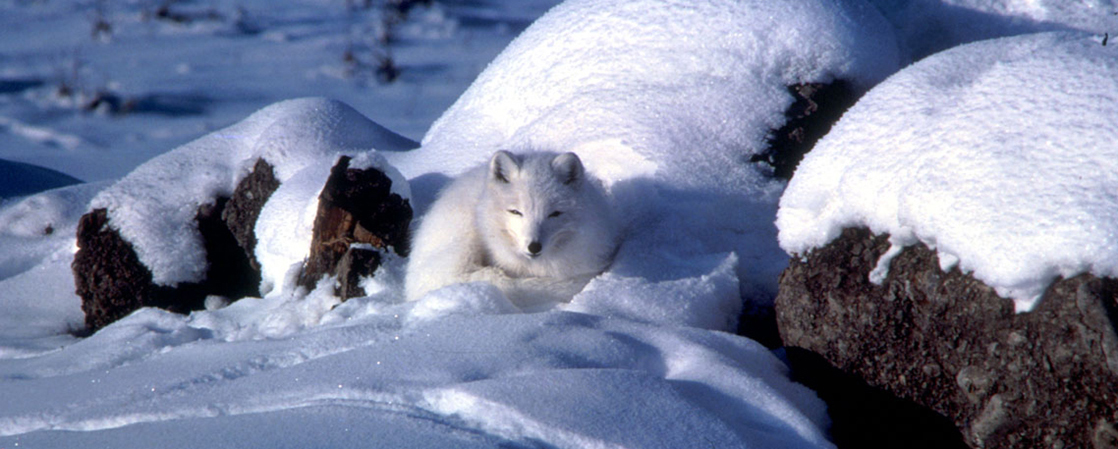
OpenStax, Rice University; Biology 2e. (credit: modification of work by Keith Morehouse, USFWS) · CC BY 4.0 · Source出典

Figure 33.1図 33.1
An arctic fox is a complex animal, well adapted to its environment. It changes coat color with the seasons, and has longer fur in winter to trap heat. (credit: modification of work by Keith Morehouse, USFWS)
ホッキョクギツネは、環境によく適応した複雑な動物である。季節に応じて毛色を変え、冬には熱を逃がさないよう毛が長くなる。(クレジット:Keith Morehouse, USFWSの作品を改変)
The arctic fox is an example of a complex animal that has adapted to its environment and illustrates the relationships between an animal’s form and function. The structures of animals consist of primary tissues that make up more complex organs and organ systems. Homeostasis allows an animal to maintain a balance between its internal and external environments.
ホッキョクギツネは環境に適応した複雑な動物の一例であり、動物の形と機能の関係を示している。動物の構造は基本的な組織からなり、それらがより複雑な器官や器官系を作る。恒常性によって、動物は内部環境と外部環境の間の均衡を維持できる。