第41章浸透圧調節と排泄
Introductionはじめに
OpenStax, Rice University; Biology 2e. (credit: modification of work by Redwin Law) · CC BY 4.0 · Source出典

Figure 41.1図 41.1
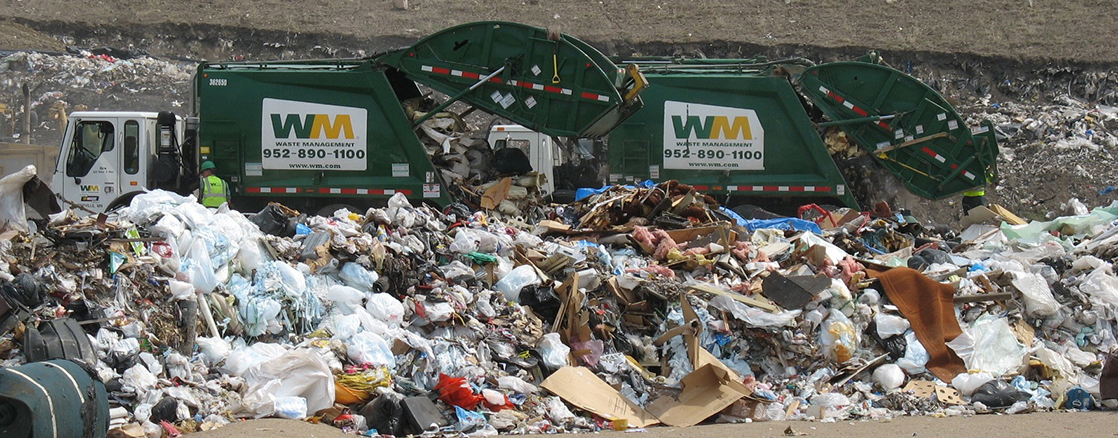
Just as humans recycle what we can and dump the remains into landfills, our bodies use and recycle what they can and excrete the remaining waste products. Our bodies’ complex systems have developed ways to treat waste and maintain a balanced internal environment. (credit: modification of work by Redwin Law)
人間が再利用できるものをリサイクルし、残りを埋立処分場に捨てるように、私たちの体も利用・再利用できるものを使い、残った老廃物を排泄する。体の複雑なシステムは、老廃物を処理し、内部環境のつり合いを保つ仕組みを発達させてきた。(出典:Redwin Lawの作品を改変)
The daily intake recommendation for human water consumption is eight to ten glasses of water. In order to achieve a healthy balance, the human body should excrete the eight to ten glasses of water every day. This occurs via the processes of urination, defecation, sweating and, to a small extent, respiration. The organs and tissues of the human body are soaked in fluids that are maintained at constant temperature, pH, and solute concentration, all crucial elements of homeostasis. The solutes in body fluids are mainly mineral salts and sugars, and osmotic regulation is the process by which the mineral salts and water are kept in balance. Osmotic homeostasis is maintained despite the influence of external factors like temperature, diet, and weather conditions.
英語のヒント
人間が1日に摂取する水の推奨量は、コップ8〜10杯である。健全なつり合いを保つには、体は毎日コップ8〜10杯の水を排出する必要がある。これは排尿、排便、発汗、そして少量ながら呼吸によって行われる。人体の器官や組織は、温度、pH、溶質濃度が一定に保たれた液体に浸されている。いずれも恒常性の重要な要素である。体液の溶質は主に無機塩類と糖であり、浸透圧調節は無機塩類と水のつり合いを保つ過程である。温度、食事、気象条件などの外的要因の影響を受けても、浸透圧の恒常性は維持される。