第47章保全生物学と生物多様性
Estimates of Present-Time Extinction Rates現在の絶滅速度の推定
Estimates of extinction rates are hampered by the fact that most extinctions are probably happening without observation. The extinction of a bird or mammal is likely to be noticed by humans, especially if it has been hunted or used in some other way. But there are many organisms that are of less interest to humans (not necessarily of less value) and many that are undescribed.
英語のヒント
絶滅の大半は、おそらく観察されないまま起きている。このため、絶滅速度の推定は難しい。鳥や哺乳類の絶滅は、特に狩猟やほかの目的で利用されていた場合、人間に気づかれやすい。しかし、人間の関心が低い生物(必ずしも価値が低いわけではない)や、まだ記載されていない生物も多数いる。
The background extinction rate is estimated to be about one per million species per year (E/MSY). For example, assuming there are about ten million species in existence, the expectation is that ten species would become extinct each year.
英語のヒント
背景絶滅率は、1年あたり100万種につき約1種(E/MSY)と推定される。たとえば約1,000万種が存在すると仮定すれば、毎年10種の絶滅が見込まれる。
One contemporary extinction rate estimate uses the extinctions in the written record since the year 1500. For birds alone this method yields an estimate of 26 E/MSY. However, this value may be an underestimate for three reasons. First, many species would not have been described until much later in the time period, so their loss would have gone unnoticed. Second, the number of recently extinct vertebrate species is increasing because extinct species now are being described from skeletal remains. And third, some species are probably already extinct even though conservationists are reluctant to name them as such. Taking these factors into account raises the estimated extinction rate closer to 100 E/MSY. The predicted rate by the end of the century is 1500 E/MSY.
英語のヒント
現在の絶滅速度の推定方法の1つは、西暦1500年以降の文献に記録された絶滅を使う。鳥類だけを対象とすると、26 E/MSYという値が得られる。しかし、3つの理由から過小評価の可能性がある。第1に、多くの種が記載されたのは、この期間のずっと後になってからであり、それ以前の喪失は気づかれなかったはずである。第2に、絶滅した種が骨格の遺骸から新たに記載されるため、近年絶滅した脊椎動物の種数は増え続けている。第3に、保全に関わる人々が絶滅の認定をためらっていても、実際にはすでに絶滅している種があると考えられる。これらを考慮すると、推定絶滅率は100 E/MSYに近づく。今世紀末の予測値は1,500 E/MSYである。
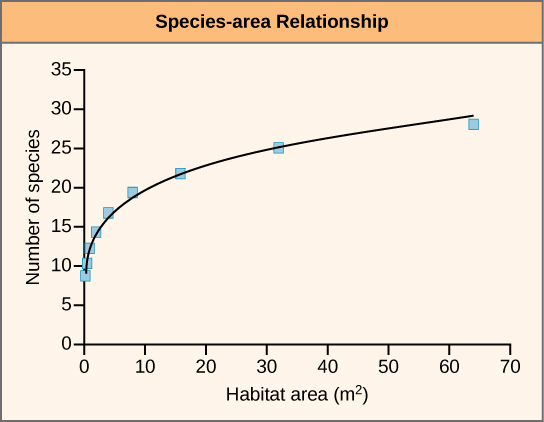
A second approach to estimating present-time extinction rates is to correlate species loss with habitat loss by measuring forest-area loss and understanding species-area relationships. The species-area relationship is the rate at which new species are seen when the area surveyed is increased. Studies have shown that the number of species present increases as the size of the island increases. This phenomenon has also been shown to hold true in other island-like habitats as well, such as the mountain-top tepuis of Venezuela, which are surrounded by tropical forest. Turning this relationship around, if the habitat area is reduced, the number of species living there will also decline. Estimates of extinction rates based on habitat loss and species-area relationships have suggested that with about 90 percent habitat loss an expected 50 percent of species would become extinct. Species-area estimates have led to species extinction rate calculations of about 1000 E/MSY and higher. In general, actual observations do not show this amount of loss and suggestions have been made that there is a delay in extinction. Recent work has also called into question the applicability of the species-area relationship when estimating the loss of species. This work argues that the species-area relationship leads to an overestimate of extinction rates. A better relationship to use may be the endemics-area relationship. Using this method would bring estimates down to around 500 E/MSY in the coming century. Note that this value is still 500 times the background rate.
英語のヒント
現在の絶滅率を推定する第2の方法は、森林面積の減少を測り、種数と面積の関係を理解することで、種の喪失と生息地の喪失を結びつけるものである。種数–面積関係とは、調査面積を広げたときに、新たな種がどの割合で見つかるかという関係である。研究によれば、島の面積が大きいほど種数は増える。この現象は、熱帯林に囲まれたベネズエラの卓状台地テプイの山頂など、島に似たほかの生息地にも当てはまる。逆に考えれば、生息地面積が減ると、そこにすむ種数も減る。生息地喪失と種数–面積関係に基づく推定では、生息地が約90%失われると、種の約50%が絶滅するとされる。この方法からは、1,000 E/MSY以上の絶滅率が計算されてきた。しかし実際の観察では一般にそれほどの喪失は見られず、絶滅が遅れて起こるという説明が提案されている。近年の研究は、種の喪失推定に種数–面積関係を適用できるかにも疑問を投げかけている。この研究では、種数–面積関係は絶滅率を過大評価すると論じる。固有種数–面積関係を使う方が適切かもしれない。この方法では、今後1世紀の推定値は約500 E/MSYへ下がる。それでも背景絶滅率の500倍であることに注意しよう。
OpenStax, Rice University; Biology 2e. (credit: modification of work by Adam B. Smith) · CC BY 4.0 · Source出典

Figure 47.7図 47.7
Studies have shown that the number of species present increases with the size of the habitat. (credit: modification of work by Adam B. Smith)
研究によれば、生息地の面積が大きいほど、存在する種数が増える。(Adam B. Smithの作品を改変)
Section Summary節のまとめ
Biodiversity exists at multiple levels of organization and is measured in different ways depending on the scientific goals of those taking the measurements. These measurements include numbers of species, genetic diversity, chemical diversity, and ecosystem diversity. The number of described species is estimated to be 1.5 million with about 17,000 new species being described each year. Estimates for the total number of species on Earth vary but are on the order of 10 million. Biodiversity is negatively correlated with latitude for most taxa, meaning that biodiversity is higher in the tropics. The mechanism for this pattern is not known with certainty, but several plausible hypotheses have been advanced.
生物多様性は、生物の組織の複数の段階に存在し、測る人の科学的な目的によって異なる方法で測定される。種数、遺伝的多様性、化学的多様性、生態系多様性などが尺度となる。記載された種は推定150万種で、毎年約17,000種の新種が記載される。地球全体の総種数の推定はさまざまだが、1,000万種程度である。大半の分類群では、生物多様性と緯度は負に相関し、熱帯ほど多様性が高い。仕組みは確実には分かっていないが、いくつかのもっともらしい仮説が提案されている。
Five mass extinctions with losses of more than 50 percent of extant species are observable in the fossil record. Biodiversity recovery times after mass extinctions vary, but may be as long as 30 million years. Recent extinctions are recorded in written history and are the basis for one method of estimating contemporary extinction rates. The other method uses measures of habitat loss and species-area relationships. Estimates of contemporary extinction rates vary, but some rates are as high as 500 times the background rate, as determined from the fossil record, and are predicted to rise.
英語のヒント
化石記録には、当時の種の50%以上が失われた大量絶滅が5回見られる。その後の多様性の回復時間はさまざまだが、3,000万年に及ぶこともある。近年の絶滅は文献に記録され、現在の絶滅率を推定する方法の1つの基礎となる。もう1つの方法は、生息地喪失の測定と種数–面積関係を用いる。推定値には幅があるが、化石記録に基づく背景絶滅率の500倍にもなる値があり、さらに上昇すると予測される。