第34章動物の栄養と消化器系
34.4 Digestive System Regulation34.4 消化系の調節
Learning Objectives学習目標
By the end of this section, you will be able to do the following:
この節を学ぶと、次のことができるようになる。
- Discuss the role of neural regulation in digestive processes消化過程における神経調節の役割を論じる。
- Explain how hormones regulate digestionホルモンが消化を調節する仕組みを説明する。
The brain is the control center for the sensation of hunger and satiety. The functions of the digestive system are regulated through neural and hormonal responses.
脳は空腹感と満腹感の制御中枢である。消化系の機能は、神経応答とホルモン応答を通じて調節される。
Neural Responses to Food食物に対する神経応答
In reaction to the smell, sight, or thought of food, like that shown in Figure 34.20, the first response is that of salivation. The salivary glands secrete more saliva in response to stimulation by the autonomic nervous system triggered by food in preparation for digestion. Simultaneously, the stomach begins to produce hydrochloric acid to digest the food. Recall that the peristaltic movements of the esophagus and other organs of the digestive tract are under the control of the brain. The brain prepares these muscles for movement as well. When the stomach is full, the part of the brain that detects satiety signals fullness. There are three overlapping phases of gastric control—the cephalic phase, the gastric phase, and the intestinal phase—each requires many enzymes and is under neural control as well.
英語のヒント
図34.20のような食物の匂い、見た目、あるいは食物を思い浮かべることに対する最初の応答は、唾液分泌である。食物をきっかけに自律神経系が刺激されると、唾液腺は消化の準備として、より多くの唾液を分泌する。同時に胃も、食物を消化するための塩酸をつくり始める。食道や他の消化管器官の蠕動が、脳の制御下にあることを思い出そう。脳はこれらの筋にも運動の準備をさせる。胃がいっぱいになると、満腹を検出する脳の部分が満腹の信号を発する。胃の制御には、頭相、胃相、腸相という三つの重なり合う相がある。各相には多くの酵素が必要であり、神経の制御も受ける。
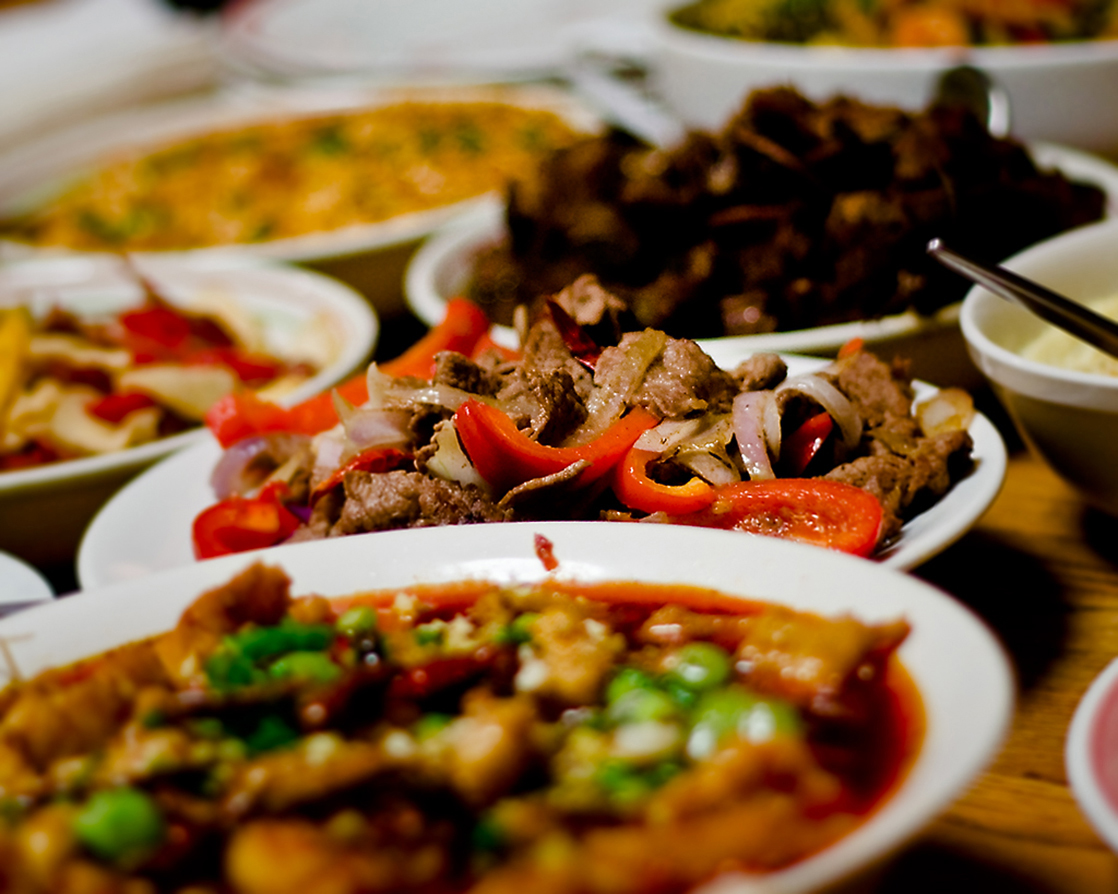

Figure 34.20図 34.20
Seeing a plate of food triggers the secretion of saliva in the mouth and the production of HCL in the stomach. (credit: Kelly Bailey)
料理の皿を見ると、口内での唾液分泌と胃内でのHCL産生が引き起こされる。(クレジット:Kelly Bailey)
Digestive Phases消化の各相
The response to food begins even before food enters the mouth. The first phase of ingestion, called the cephalic phase, is controlled by the neural response to the stimulus provided by food. All aspects—such as sight, thought, and smell—trigger the neural responses resulting in salivation and secretion of gastric juices. The gastric and salivary secretion in the cephalic phase can also take place due to the thought of food. Right now, if you think about a piece of chocolate or a crispy potato chip, the increase in salivation is a cephalic phase response to the thought. The central nervous system prepares the stomach to receive food.
食物への応答は、食物が口に入る前から始まる。摂取の最初の段階である頭相は、食物による刺激への神経応答によって制御される。見た目、思い浮かべること、匂いなど、あらゆる側面が神経応答を引き起こし、唾液と胃液の分泌につながる。頭相の胃液・唾液分泌は、食物を思い浮かべるだけでも起こりうる。今、一片のチョコレートやパリッとしたポテトチップスを思い浮かべて唾液が増えたなら、それは想像に対する頭相の応答である。中枢神経系が、胃に食物を受け入れる準備をさせる。
The gastric phase begins once the food arrives in the stomach. It builds on the stimulation provided during the cephalic phase. Gastric acids and enzymes process the ingested materials. The gastric phase is stimulated by (1) distension of the stomach, (2) an increase in the pH of the gastric contents, and (3) the presence of undigested material. This phase consists of local, hormonal, and neural responses. These responses stimulate secretions and powerful contractions.
英語のヒント
胃相は、食物が胃に到達すると始まる。頭相で生じた刺激を引き継いで進み、胃酸と酵素が摂取した物質を処理する。胃相は、(1)胃の拡張、(2)胃内容物のpH上昇、(3)未消化物の存在によって刺激される。この相は局所的応答、ホルモン応答、神経応答からなり、これらが分泌と強い収縮を促す。
The intestinal phase begins when chyme enters the small intestine triggering digestive secretions. This phase controls the rate of gastric emptying. In addition to gastric emptying, when chyme enters the small intestine, it triggers other hormonal and neural events that coordinate the activities of the intestinal tract, pancreas, liver, and gallbladder.
腸相は、キームが小腸へ入り、消化分泌を引き起こすと始まる。この相は、胃内容物が排出される速さを制御する。胃内容物の排出に加え、キームが小腸へ入ると、腸管、膵臓、肝臓、胆嚢の活動を協調させる、他のホルモン性・神経性の出来事も引き起こされる。
Hormonal Responses to Food食物に対するホルモン応答
The endocrine system controls the response of the various glands in the body and the release of hormones at the appropriate times.
内分泌系は、体内のさまざまな腺の応答と、適切な時期のホルモン放出を制御する。
One of the important factors under hormonal control is the stomach acid environment. During the gastric phase, the hormone gastrin is secreted by G cells in the stomach in response to the presence of proteins. Gastrin stimulates the release of stomach acid, or hydrochloric acid (HCl) which aids in the digestion of the proteins. However, when the stomach is emptied, the acidic environment need not be maintained and a hormone called somatostatin stops the release of hydrochloric acid. This is controlled by a negative feedback mechanism.
英語のヒント
ホルモンによる制御を受ける重要な要因の一つは、胃の酸性環境である。胃相には、タンパク質の存在に応じて、胃のG細胞がガストリンというホルモンを分泌する。ガストリンは胃酸、すなわち塩酸(HCl)の放出を刺激し、タンパク質の消化を助ける。しかし、胃が空になれば酸性環境を維持する必要はなくなり、ソマトスタチンというホルモンが塩酸の放出を止める。これは負のフィードバック機構で制御される。
In the duodenum, digestive secretions from the liver, pancreas, and gallbladder play an important role in digesting chyme during the intestinal phase. In order to neutralize the acidic chyme, a hormone called secretin stimulates the pancreas to produce alkaline bicarbonate solution and deliver it to the duodenum. Secretin acts in tandem with another hormone called cholecystokinin (CCK). Not only does CCK stimulate the pancreas to produce the requisite pancreatic juices, it also stimulates the gallbladder to release bile into the duodenum.
英語のヒント
腸相の十二指腸では、肝臓、膵臓、胆嚢からの消化分泌物が、キームの消化に重要な役割を果たす。酸性のキームを中和するため、セクレチンというホルモンが膵臓を刺激し、アルカリ性の炭酸水素塩溶液をつくらせて十二指腸へ送らせる。セクレチンは、コレシストキニン(CCK)という別のホルモンと連携して作用する。CCKは膵臓を刺激して必要な膵液をつくらせるだけでなく、胆嚢も刺激して胆汁を十二指腸へ放出させる。
Another level of hormonal control occurs in response to the composition of food. Foods high in lipids take a long time to digest. A hormone called gastric inhibitory peptide is secreted by the small intestine to slow down the peristaltic movements of the intestine to allow fatty foods more time to be digested and absorbed.
食物の組成に応じて、別の段階のホルモン制御も起こる。脂質を多く含む食物は消化に時間がかかる。小腸から胃抑制ペプチドというホルモンが分泌され、腸の蠕動を遅くすることで、脂肪の多い食物が消化・吸収される時間を長く取れるようにする。
Understanding the hormonal control of the digestive system is an important area of ongoing research. Scientists are exploring the role of each hormone in the digestive process and developing ways to target these hormones. Advances could lead to knowledge that may help to battle the obesity epidemic.
消化系のホルモン制御を理解することは、現在進められている研究の重要な領域である。科学者は消化過程での各ホルモンの役割を調べ、それらを標的とする方法を開発している。研究が進めば、肥満の広がりに対処する助けとなる知識が得られるかもしれない。