第1章生命の探究
Two Types of Science: Basic Science and Applied Science二種類の科学:基礎科学と応用科学
The scientific community has been debating for the last few decades about the value of different types of science. Is it valuable to pursue science for the sake of simply gaining knowledge, or does scientific knowledge only have worth if we can apply it to solving a specific problem or to bettering our lives? This question focuses on the differences between two types of science: basic science and applied science.
英語のヒント
科学界では、ここ数十年、さまざまな種類の科学の価値について議論が続いている。知識を得ることだけを目的として科学を追究することには価値があるのだろうか。それとも、科学的知識に価値があるのは、特定の問題の解決や生活の改善に応用できる場合だけなのだろうか。この問いは、基礎科学と応用科学という二種類の科学の違いに注目するものである。
Basic science or “pure” science seeks to expand knowledge regardless of the short-term application of that knowledge. It is not focused on developing a product or a service of immediate public or commercial value. The immediate goal of basic science is knowledge for knowledge’s sake, although this does not mean that, in the end, it may not result in a practical application.
英語のヒント
基礎科学、または「純粋」科学は、その知識が短期的に応用されるかどうかにかかわらず、知識を広げようとする。直ちに社会的・商業的価値をもつ製品やサービスを開発することに焦点を当てるものではない。基礎科学の直接の目標は、知識そのもののために知識を得ることである。ただし、それは最終的に実用的な応用に結びつかないという意味ではない。
In contrast, applied science or “technology,” aims to use science to solve real-world problems, making it possible, for example, to improve a crop yield, find a cure for a particular disease, or save animals threatened by a natural disaster (Figure 1.8). In applied science, the problem is usually defined for the researcher.
英語のヒント
これに対し、応用科学、または「技術」は、科学を使って現実の問題を解決することを目指す。例えば、作物の収量を増やしたり、ある病気の治療法を見つけたり、自然災害で危険にさらされた動物を救ったりすることを可能にする(図1.8)。応用科学では、研究者が取り組む問題は、通常、あらかじめ定められている。
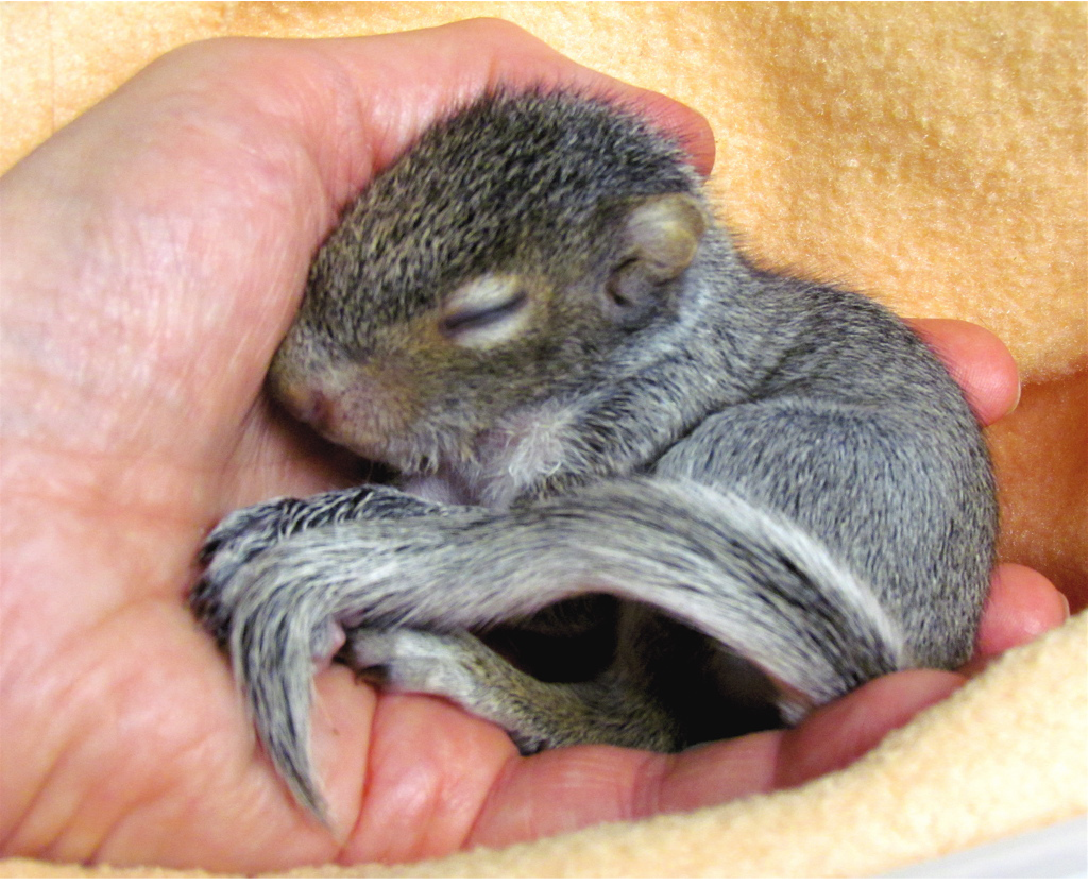

Figure 1.8図 1.8
After Hurricane Irma struck the Caribbean and Florida in 2017, thousands of baby squirrels like this one were thrown from their nests. Thanks to applied science, scientists knew how to rehabilitate the squirrel. (credit: audreyjm529, Flickr)
英語のヒント
2017年にハリケーン・イルマがカリブ海地域とフロリダを襲った後、この写真のような数千匹の子リスが巣から投げ出された。応用科学のおかげで、科学者はリスを回復させる方法を知っていた。(出典:audreyjm529、Flickr)
Some individuals may perceive applied science as “useful” and basic science as “useless.” A question these people might pose to a scientist advocating knowledge acquisition would be, “What for?” However, a careful look at the history of science reveals that basic knowledge has resulted in many remarkable applications of great value. Many scientists think that a basic understanding of science is necessary before researchers develop an application, therefore, applied science relies on the results that researchers generate through basic science. Other scientists think that it is time to move on from basic science in order to find solutions to actual problems. Both approaches are valid. It is true that there are problems that demand immediate attention; however, scientists would find few solutions without the help of the wide knowledge foundation that basic science generates.
英語のヒント
応用科学を「役に立つ」、基礎科学を「役に立たない」と捉える人もいるかもしれない。知識を得ることを擁護する科学者に、そうした人々が投げかける問いは、「何のために」というものだろう。しかし、科学の歴史を注意深く見れば、基礎的な知識から、きわめて価値の高い多くの優れた応用が生まれてきたことが分かる。多くの科学者は、応用を開発する前に科学の基礎的な理解が必要だと考えている。したがって、応用科学は、基礎科学を通して研究者が生み出す成果に依存する。ほかの科学者は、現実の問題の解決策を見つけるために、基礎科学から先へ進む時期だと考えている。どちらの取り組み方も妥当である。直ちに取り組む必要のある問題が存在するのは確かだ。しかし、基礎科学が生み出す幅広い知識の基盤の助けがなければ、科学者が見つけられる解決策は少ないだろう。
One example of how basic and applied science can work together to solve practical problems occurred after the discovery of DNA structure led to an understanding of the molecular mechanisms governing DNA replication. DNA strands, unique in every human, are in our cells, where they provide the instructions necessary for life. When DNA replicates, it produces new copies of itself, shortly before a cell divides. Understanding DNA replication mechanisms enabled scientists to develop laboratory techniques that researchers now use to identify genetic diseases, pinpoint individuals who were at a crime scene, and determine paternity. Without basic science, it is unlikely that applied science could exist.
英語のヒント
基礎科学と応用科学が協力して実際の問題を解決できる一例は、DNA構造の発見から、DNA複製を支配する分子の仕組みが理解されるようになった後に生じた。人それぞれに固有のDNA鎖は私たちの細胞内にあり、生命に必要な指示を与えている。DNAは、細胞が分裂する直前に複製し、自分自身の新しいコピーをつくる。DNA複製の仕組みを理解したことで、科学者は実験技術を開発できた。研究者は現在、それらを用いて、遺伝性疾患を特定したり、犯罪現場にいた個人を突き止めたり、父子関係を判定したりしている。基礎科学なしに応用科学が存在できるとは考えにくい。
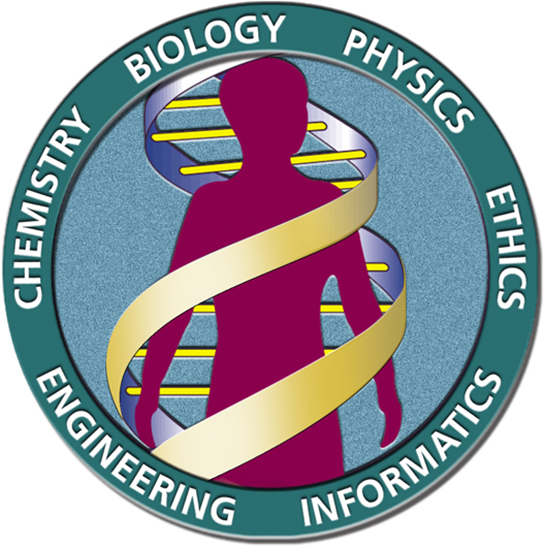
Another example of the link between basic and applied research is the Human Genome Project, a study in which researchers analyzed and mapped each human chromosome to determine the precise sequence of DNA subunits and each gene's exact location. (The gene is the basic unit of heredity represented by a specific DNA segment that codes for a functional molecule. An individual’s complete collection of genes is their genome.) Researchers have studied other less complex organisms as part of this project in order to gain a better understanding of human chromosomes. The Human Genome Project (Figure 1.9) relied on basic research with simple organisms and, later, with the human genome. An important end goal eventually became using the data for applied research, seeking cures and early diagnoses for genetically related diseases.
英語のヒント
基礎研究と応用研究のつながりの別の例は、ヒトゲノム計画である。この研究では、DNAの構成単位の正確な配列と各遺伝子の正確な位置を決めるため、人の各染色体を分析し、地図を作成した。(遺伝子は遺伝の基本単位であり、機能をもつ分子をコードする特定のDNA部分によって表される。一個体がもつ遺伝子の全体が、その個体のゲノムである。)人の染色体をよりよく理解するため、この計画の一環として、より単純なほかの生物も研究された。ヒトゲノム計画(図1.9)は、単純な生物を用いた基礎研究と、その後のヒトゲノムを対象とした基礎研究に依拠していた。やがて、得られたデータを応用研究に利用し、遺伝に関連する病気の治療法や早期診断を追求することが、重要な最終目標になった。
OpenStax, Rice University; Biology 2e. (credit: the U.S. Department of Energy Genome Programs (http://genomics.energy.gov) · CC BY 4.0 · Source出典

Figure 1.9図 1.9
The Human Genome Project was a 13-year collaborative effort among researchers working in several different science fields. Researchers completed the project, which sequenced the entire human genome, in 2003. (credit: the U.S. Department of Energy Genome Programs (http://genomics.energy.gov)
英語のヒント
ヒトゲノム計画は、複数の異なる科学分野の研究者による13年間の共同事業だった。ヒトゲノム全体の配列を決定するこの計画は、2003年に完了した。(出典:米国エネルギー省ゲノムプログラム、http://genomics.energy.gov)
While scientists usually carefully plan research efforts in both basic science and applied science, note that some discoveries are made by serendipity, that is, by means of a fortunate accident or a lucky surprise. Scottish biologist Alexander Fleming discovered penicillin when he accidentally left a petri dish of Staphylococcus bacteria open. An unwanted mold grew on the dish, killing the bacteria. Fleming's curiosity to investigate the reason behind the bacterial death, followed by his experiments, led to the discovery of the antibiotic penicillin, which is produced by the fungus Penicillium. Even in the highly organized world of science, luck—when combined with an observant, curious mind—can lead to unexpected breakthroughs.
英語のヒント
基礎科学でも応用科学でも、研究者は通常、研究の取り組みを慎重に計画する。しかし、幸運な偶然や思いがけない出来事、すなわちセレンディピティによって生まれる発見もあることに注意しよう。スコットランドの生物学者アレクサンダー・フレミングは、ブドウ球菌の入ったペトリ皿をうっかり開けたままにしたことから、ペニシリンを発見した。皿に意図せずカビが生え、細菌を死滅させたのである。細菌が死んだ理由を調べようというフレミングの好奇心と、それに続く実験から、アオカビ属の菌がつくる抗生物質ペニシリンの発見につながった。高度に組織化された科学の世界でも、幸運が、観察力と好奇心のある心に結びつくと、予期しなかった大きな突破口につながることがある。