第33章国際貿易
Introduction to International Trade国際貿易への導入
Apple or Samsung iPhone?AppleのiPhoneか、それともSamsungのiPhoneか?
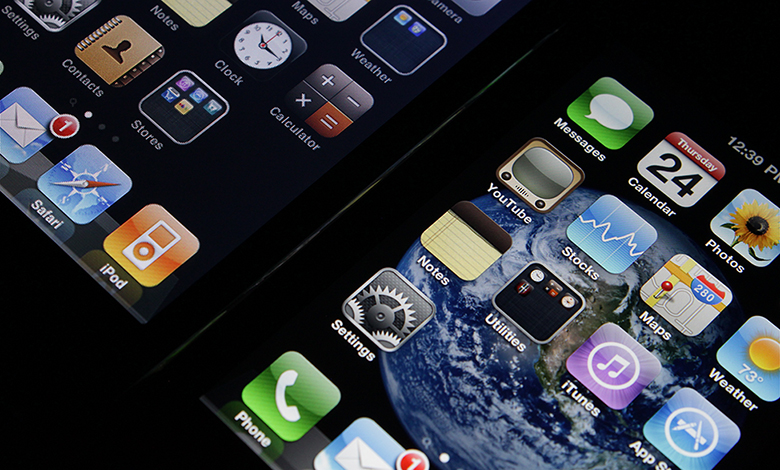
While the iPhone is readily recognized as an Apple product, many versions (including recently released offerings) have key components made by rival phone-maker, Samsung. In international trade, there are often “conflicts” like this as each country or company focuses on what it does best. (Credit: modification of “iPhone 4's Retina Display v.s. iPhone 3G” by Yutaka Tsutano/Flickr Creative Commons, CC BY 2.0) · CC BY 2.0 · Source出典

Figure 33.1図 33.1
While the iPhone is readily recognized as an Apple product, many versions (including recently released offerings) have key components made by rival phone-maker, Samsung. In international trade, there are often “conflicts” like this as each country or company focuses on what it does best. (Credit: modification of “iPhone 4's Retina Display v.s. iPhone 3G” by Yutaka Tsutano/Flickr Creative Commons, CC BY 2.0)
英語のヒント
iPhoneはApple製品だとすぐ分かるが、多くのモデル(最近発売されたものも含む)には、競合する携帯電話メーカーSamsung製の主要部品が使われている。国際貿易では、各国や各企業が最も得意なことに集中するため、このような「矛盾」がしばしばある。(クレジット:Yutaka Tsutano/Flickr Creative Commonsによる「iPhone 4's Retina Display v.s. iPhone 3G」を改変、CC BY 2.0)
Learning Objectives学習目標
We live in a global marketplace. The food on your table might include fresh fruit from Chile, cheese from France, and bottled water from Scotland. Your wireless phone might have been made in Taiwan or Korea. The clothes you wear might be designed in Italy and manufactured in China. The toys you give to a child might have come from India. The car you drive might come from Japan, Germany, or Korea. The gasoline in the tank might be refined from crude oil from Saudi Arabia, Mexico, or Nigeria. As a worker, if your job is involved with farming, machinery, airplanes, cars, scientific instruments, or many other technology-related industries, the odds are good that a hearty proportion of the sales of your employer—and hence the money that pays your salary—comes from export sales. We are all linked by international trade, and the volume of that trade has grown dramatically in the last few decades.
英語のヒント
私たちは世界的な市場で暮らしている。食卓の食べ物には、チリの新鮮な果物、フランスのチーズ、スコットランドのボトル入りの水が含まれるかもしれない。携帯電話は台湾や韓国で作られたかもしれない。着ている服は、イタリアでデザインされ、中国で製造されたかもしれない。子どもにあげるおもちゃは、インドから来たかもしれない。運転する車は、日本、ドイツ、韓国のものかもしれない。タンクのガソリンは、サウジアラビア、メキシコ、ナイジェリアの原油から精製されたかもしれない。労働者として、農業、機械、航空機、自動車、科学機器、その他多くの技術関連産業に関わる仕事をしていれば、雇用主の売上のかなりの割合、したがって自分の給料を払う資金も、輸出売上から来ている可能性が高い。私たちは皆、国際貿易で結び付いており、その貿易量は過去数十年間で劇的に増えた。
The first wave of globalization started in the nineteenth century and lasted up to the beginning of World War I. Over that time, global exports as a share of global GDP rose from less than 1% of GDP in 1820 to 9% of GDP in 1913. As the Nobel Prize-winning economist Paul Krugman of Princeton University wrote in 1995:
英語のヒント
グローバル化の最初の波は19世紀に始まり、第一次世界大戦の始まりまで続いた。その間、世界のGDPに占める世界輸出の割合は、1820年の1%未満から1913年の9%へ上がった。プリンストン大学のノーベル賞受賞経済学者ポール・クルーグマンは、1995年に次のように書いた。
It is a late-twentieth-century conceit that we invented the global economy just yesterday. In fact, world markets achieved an impressive degree of integration during the second half of the nineteenth century. Indeed, if one wants a specific date for the beginning of a truly global economy, one might well choose 1869, the year in which both the Suez Canal and the Union Pacific railroad were completed. By the eve of the First World War steamships and railroads had created markets for standardized commodities, like wheat and wool, that were fully global in their reach. Even the global flow of information was better than modern observers, focused on electronic technology, tend to realize: the first submarine telegraph cable was laid under the Atlantic in 1858, and by 1900 all of the world’s major economic regions could effectively communicate instantaneously.英語のヒント
世界経済をつい昨日発明したかのように思うのは、20世紀末の思い上がりである。実際、世界市場は19世紀後半に、驚くほどの統合を達成した。真に世界的な経済の始まりに特定の日付を求めるなら、スエズ運河とユニオン・パシフィック鉄道の両方が完成した1869年を選んでもよいだろう。第一次世界大戦の前夜までに、蒸気船と鉄道は、小麦や羊毛のような標準化された商品の市場を作り、その広がりは完全に世界的だった。情報の世界的な流れさえ、電子技術に目を向ける現代の観察者が思うよりも発達していた。大西洋の海底に最初の電信ケーブルが敷かれたのは1858年で、1900年までには、世界の主要な経済地域のすべてが、事実上瞬時に通信できた。
This first wave of globalization crashed to a halt early in the twentieth century. World War I severed many economic connections. During the Great Depression of the 1930s, many nations misguidedly tried to fix their own economies by reducing foreign trade with others. World War II further hindered international trade. Global flows of goods and financial capital were rebuilt only slowly after World War II. It was not until the early 1980s that global economic forces again became as important, relative to the size of the world economy, as they were before World War I.
英語のヒント
このグローバル化の最初の波は、20世紀初頭に突然止まった。第一次世界大戦は、多くの経済的なつながりを断ち切った。1930年代の大恐慌の間、多くの国は、他国との貿易を減らすことで自国経済を立て直そうとする、誤った試みをした。第二次世界大戦は、国際貿易をさらに妨げた。財と金融資本の世界的な流れは、第二次世界大戦後、ゆっくりとしか再建されなかった。世界経済の規模に対して、世界的な経済の力が再び第一次世界大戦前と同じほど重要になったのは、1980年代初頭になってからであった。