第9章独占
Introduction to a Monopoly独占への導入
Political Power from a Cotton Monopoly綿花の独占から生まれる政治力
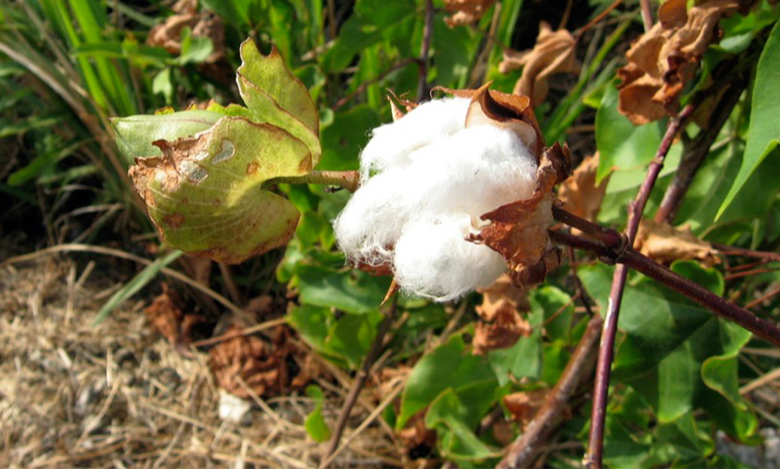
In the mid-nineteenth century, the United States, specifically the Southern states, had a near monopoly in the cotton that they supplied to Great Britain. These states attempted to leverage this economic power into political power—trying to sway Great Britain to formally recognize the Confederate States of America. (Credit: modification of "cotton!" by ashley/Flickr, CC BY 2.0) · CC BY 2.0 · Source出典

Figure 9.1図 9.1
In the mid-nineteenth century, the United States, specifically the Southern states, had a near monopoly in the cotton that they supplied to Great Britain. These states attempted to leverage this economic power into political power—trying to sway Great Britain to formally recognize the Confederate States of America. (Credit: modification of "cotton!" by ashley/Flickr, CC BY 2.0)
英語のヒント
19世紀半ば、米国、とりわけ南部諸州は、英国に供給する綿花をほぼ独占していた。これらの州は、この経済力を政治力に変えようとし、アメリカ連合国を正式に承認するよう英国を動かそうとした。(クレジット:ashley/Flickrの「cotton!」を改変、CC BY 2.0)
Learning Objectives学習目標
Many believe that top executives at firms are the strongest supporters of market competition, but this belief is far from the truth. Think about it this way: If you very much wanted to win an Olympic gold medal, would you rather be far better than everyone else, or locked in competition with many athletes just as good as you? Similarly, if you would like to attain a very high level of profits, would you rather manage a business with little or no competition, or struggle against many tough competitors who are trying to sell to your customers? By now, you might have read the chapter on Perfect Competition. In this chapter, we explore the opposite extreme: monopoly.
英語のヒント
企業の経営幹部は市場競争の最も強い支持者だと、多くの人が考えている。しかし、この考えは事実とは大きく異なる。こう考えてみよう。オリンピックの金メダルをどうしても取りたいなら、他の誰よりもはるかに優れていたいだろうか。それとも、自分と同じほど優れた多くの選手との競争に縛られたいだろうか。同様に、非常に高い利潤を得たいなら、競争がほとんど、またはまったくない事業を経営したいだろうか。それとも、自分の顧客に売ろうとする多くの手強い競争相手と争いたいだろうか。ここまでに「完全競争」の章を読んだかもしれない。本章では、その反対の極端な形である独占を探る。
If perfect competition is a market where firms have no market power and they simply respond to the market price, monopoly is a market with no competition at all, and firms have a great deal of market power. In the case of monopoly, one firm produces all of the output in a market. Since a monopoly faces no significant competition, it can charge any price it wishes, subject to the demand curve. While a monopoly, by definition, refers to a single firm, in practice people often use the term to describe a market in which one firm merely has a very high market share. This tends to be the definition that the U.S. Department of Justice uses.
英語のヒント
完全競争が、企業に市場支配力がなく、単に市場価格に反応する市場だとすれば、独占は競争がまったくなく、企業が大きな市場支配力を持つ市場である。独占では、1社が市場のすべての生産を行う。独占企業は有力な競争に直面しないので、需要曲線による制約のもとで、望むどの価格でも請求できる。独占は定義上は1社を指すが、実際には、単に1社が非常に高い市場占有率を持つ市場を表すためにも、この語がよく使われる。米国司法省が用いるのは、この定義であることが多い。
Even though there are very few true monopolies in existence, we do deal with some of those few every day, often without realizing it: The U.S. Postal Service, your electric, and garbage collection companies are a few examples. Some new drugs are produced by only one pharmaceutical firm—and no close substitutes for that drug may exist.
英語のヒント
真の独占はごく少数しか存在しないが、私たちは毎日、その少数の一部と、しばしば気づかずに取引している。米国郵便公社、電力会社、ごみ収集会社は、その例である。新薬の中には1社の製薬会社だけが生産するものがあり、その薬に近い代替品が存在しないこともある。
From the mid-1990s until 2004, the U.S. Department of Justice prosecuted the Microsoft Corporation for including Internet Explorer as the default web browser with its operating system. The Justice Department’s argument was that, since Microsoft possessed an extremely high market share in the industry for operating systems, the inclusion of a free web browser constituted unfair competition to other browsers, such as Netscape Navigator. Since nearly everyone was using Windows, including Internet Explorer eliminated the incentive for consumers to explore other browsers and made it impossible for competitors to gain a foothold in the market. In 2013, the Windows system ran on more than 90% of the most commonly sold personal computers. In 2015, a U.S. federal court tossed out antitrust charges that Google had an agreement with mobile device makers to set Google as the default search engine.
英語のヒント
1990年代半ばから2004年まで、米国司法省は、基本ソフトに既定のウェブブラウザーとしてInternet Explorerを含めたことについて、マイクロソフトを訴追した。司法省の主張は、同社が基本ソフト産業で極めて高い市場占有率を持っていたため、無料のウェブブラウザーを含めることがNetscape Navigatorなど他のブラウザーに対する不公正な競争に当たる、というものだった。ほぼ全員がWindowsを使っていたため、Internet Explorerを含めることは、消費者が他のブラウザーを探す誘因をなくし、競争相手が市場に足場を築くことを不可能にした。2013年には、最も一般的に販売されるパーソナルコンピューターの90%超でWindowsが動いていた。2015年、米国連邦裁判所は、Googleが携帯端末メーカーと、Googleを既定の検索エンジンにする合意をしていたという反トラスト法違反の訴えを退けた。
This chapter begins by describing how monopolies are protected from competition, including laws that prohibit competition, technological advantages, and certain configurations of demand and supply. It then discusses how a monopoly will choose its profit-maximizing quantity to produce and what price to charge. While a monopoly must be concerned about whether consumers will purchase its products or spend their money on something altogether different, the monopolist need not worry about the actions of other competing firms producing its products. As a result, a monopoly is not a price taker like a perfectly competitive firm, but instead exercises some power to choose its market price.
英語のヒント
本章ではまず、独占が競争からどう守られるかを説明する。そこには、競争を禁じる法律、技術的優位、需要と供給の特定の組み合わせが含まれる。その後、独占企業が利潤を最大化する生産量と請求価格をどう選ぶかを論じる。独占企業は、消費者が自社製品を買うか、それともまったく別のものにお金を使うかを気にかける必要があるが、同じ製品を生産する他の競合企業の行動を心配する必要はない。その結果、独占企業は完全競争企業のような価格受容者ではなく、市場価格を選ぶ一定の力を行使する。