まえがき
Changes to the third edition第3版での変更
The revision process incorporated extensive feedback from faculty who have used the book in their courses. They advised that the third edition changes focus on currency updates, integration of newer perspectives and more diverse contributors, and relevance to students’ lives and careers.
英語のヒント
改訂では、本書を授業で使用した教員から多くの意見を取り入れた。第3版での変更は、情報を最新のものにすること、新しい視点と多様な貢献者を取り入れること、学生の生活や職業とのつながりを強めることに重点を置くよう助言を得た。
Current data and analysis: The authors have updated dozens of explanations, graphs, and tables containing financial, demographic, employment, and related economic data. The corresponding discussions provide context and interpretations of the data, including descriptions of change over time, cause-and-effect relationships, and balanced analysis of policies and opinions.
英語のヒント
最新のデータと分析。金融、人口、雇用、および関連する経済データを含む数十の説明・グラフ・表を更新した。対応する本文ではデータの背景と解釈を示し、時間とともに生じる変化、因果関係、政策や意見の均衡の取れた分析を説明する。
Diverse perspectives and contributors: The third edition highlights the research and views of a broader group of economists. These include people from across the spectrum of economic thought, with a particular focus on those who take what are often considered non-traditional views of economic policy and government action. Examples include:
英語のヒント
多様な視点と貢献者。第3版では、より幅広い経済学者の研究と見解に光を当てている。経済思想のさまざまな立場を含め、とりわけ経済政策や政府の活動について、しばしば非伝統的と考えられる見方をする人々に注目する。例として、次のものがある。
- Chapter 1: Esther Duflo, Abhijit Banerjee, and Michael Kremer regarding experimental analysis in development economics.
英語のヒント
第1章:開発経済学の実験的分析について、エステル・デュフロ、アビジット・バナジー、マイケル・クレマー。 - Chapter 4: Walter Williams and Thomas Sowell regarding the downsides of minimum wages.
英語のヒント
第4章:最低賃金の不利な面について、ウォルター・ウィリアムズとトーマス・ソウェル。 - Chapter 13: Carlota Perez regarding employment shifts resulting from innovation; Mariana Mazzucato regarding government involvement in innovation; Elinor Ostrom and the “non-tragedy of the commons.”
英語のヒント
第13章:イノベーションによる雇用の変化についてカーロータ・ペレス、イノベーションへの政府の関与についてマリアナ・マッツカート、エリノア・オストロムと「コモンズの非悲劇」。 - Chapter 14: William A. Darity Jr. on employment discrimination and market forces; Phyllis Ann Wallace and the EEOC.
英語のヒント
第14章:雇用差別と市場の力についてウィリアム・A・ダリティ・ジュニア、フィリス・アン・ウォレスと雇用機会均等委員会(EEOC)。 - Chapter 19: Kate Raworth regarding concepts for expanding economic measures beyond GDP and similar metrics.
英語のヒント
第19章:GDPなどの指標を超えて経済の測り方を広げる考え方について、ケイト・ラワース。 - Chapter 32: W. Arthur Lewis and the dual sector economy; Dambisa Moyo regarding the benefits and detriments of foreign aid.
英語のヒント
第32章:W・アーサー・ルイスと二重経済、対外援助の利点と弊害についてダンビサ・モヨ。
Relevance and engagement: In order to show the importance and application of economics in students’ lives and careers, the third edition directly addresses and expands topics likely to connect to various industries, issues, groups, and events. Brief references and deeply explored socio-political examples have been updated to showcase the critical—and sometimes unnoticed—ties between economic developments and topics relevant to students. Examples include education spending, the value of college degrees, discrimination, environmental policies, immigration policies, entrepreneurship and innovation, healthcare and insurance, and general financial literacy. Finally, the COVID-19 pandemic is referenced frequently to demonstrate its deep and evolving impacts on financial data, employment, and other aspects of the economy.
英語のヒント
身近さと学習への関心。経済学が学生の生活や職業にどう重要で、どのように応用されるかを示すため、第3版では多様な産業、課題、集団、出来事と結び付く話題を直接取り上げ、説明を広げた。短い言及も、社会・政治に関する詳しい事例も更新し、経済の動きと学生に関係する話題の重要な、時には見過ごされるつながりを示している。例として、教育支出、大学の学位の価値、差別、環境政策、移民政策、起業とイノベーション、医療と保険、一般的な金融リテラシーがある。また、金融データや雇用など経済のさまざまな側面に対する深く変化し続ける影響を示すため、新型コロナウイルス感染症のパンデミックを繰り返し取り上げる。
FRED Data and Graphs: As in previous editions, the authors have included and referenced data from the Federal Reserve Economic Data (FRED). In some cases, interactive FRED graphs are embedded directly in the web view of the book; students may magnify and focus on specific time periods, analyze individual data points, and otherwise manipulate the graphs from within the OpenStax reading experience. In others cases (and in the PDF), links to the direct source of the FRED data are provided, and students are encouraged to explore the information and the overall FRED resources more thoroughly. Note that other data sources, such as the Bureau of Labor Statistics, U.S. Census Bureau, and World Bank, usually include links in the captions or credits; instructors and students can also explore those sites for more detailed investigations of the topics at hand.
英語のヒント
FREDのデータとグラフ。これまでの版と同様に、連邦準備銀行の経済データベースFREDのデータを掲載・参照している。ウェブ版には、操作できるFREDのグラフを直接埋め込んだ箇所がある。学生はOpenStaxで読んでいる途中に、特定の期間を拡大して注目したり、個々のデータ点を分析したり、その他の方法でグラフを操作したりできる。それ以外の箇所やPDF版では、FREDデータの出典への直接リンクを示している。学生には、その情報やFREDの資料全体をさらに詳しく調べることを勧める。労働統計局、米国国勢調査局、世界銀行など、その他のデータ提供元についても、通常は図の説明文や出典欄にリンクを掲載している。教員と学生は、それらのサイトで扱われている話題をさらに詳しく調べることができる。
Updated art図版の更新
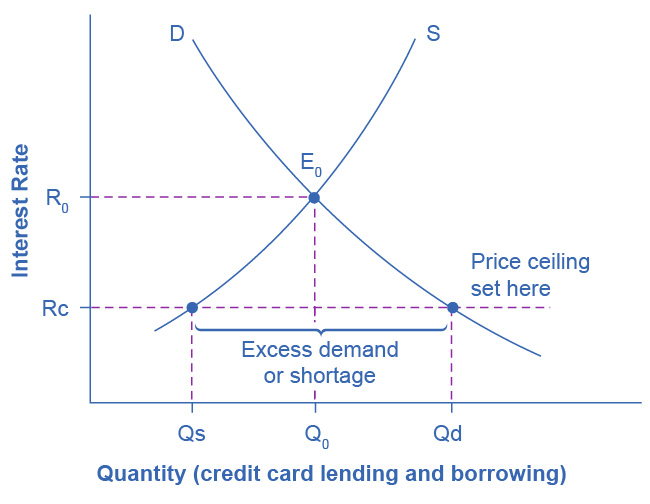
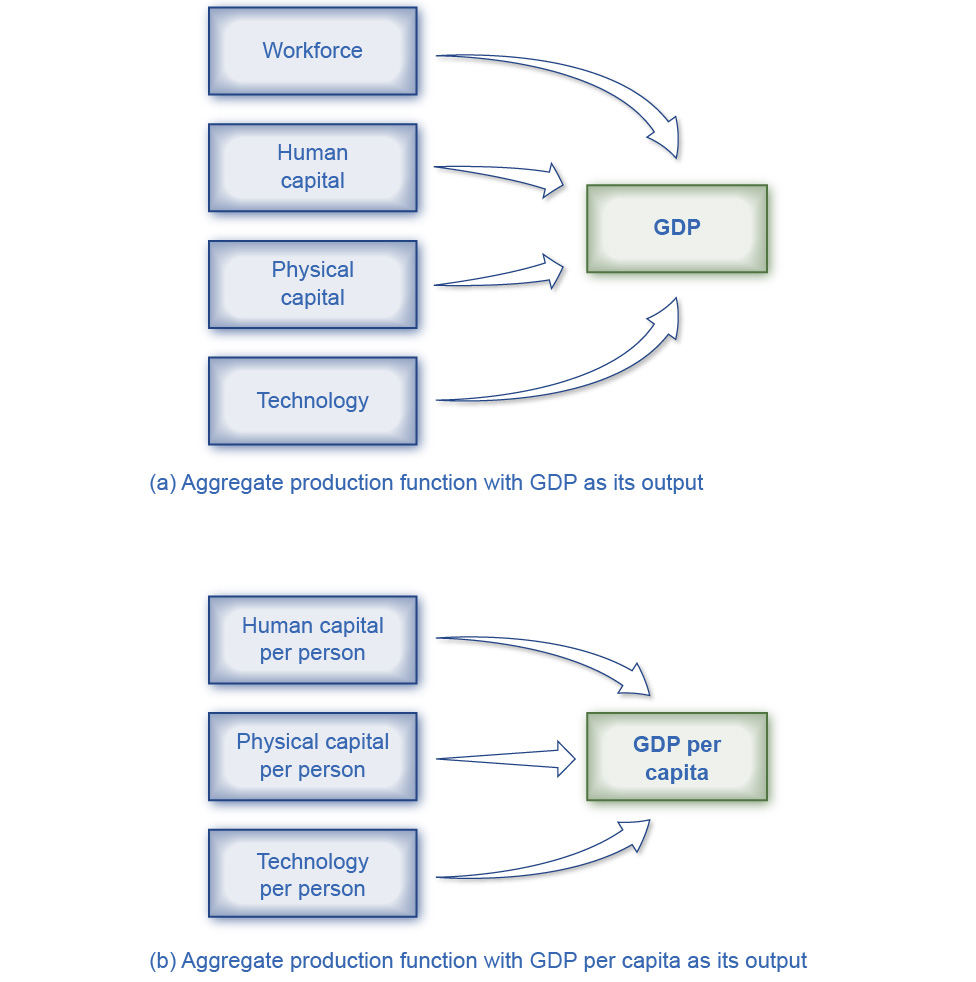
Principles of Economics 3e includes updated and redesigned art to clarify concepts and provide opportunities for graphical interpretation. Many graphs are shown with accompanying data tables and explanations of the drivers and consequences of change.
英語のヒント
『経済学原理 第3版』では、概念を明確にし、グラフを読み取る機会を提供するため、図版を更新・再設計した。多くのグラフにはデータ表を添え、変化の要因と結果を説明している。


Pedagogical foundation教育上の基盤
The narrative explanations and analysis presented in Principles of Economics 3e have been carefully crafted to provide a solid basis in economic concepts, flexibly approach skills and assess understanding, and deepen students’ engagement with the course materials. You will also find features that promote economic inquiry and explorations, including:
英語のヒント
『経済学原理 第3版』の文章による説明と分析は、経済概念の確かな基礎を築き、技能の習得や理解の評価に柔軟に対応し、教材への学生の関わりを深めるよう、注意深く作成されている。経済学的な問いや探究を促すため、次のような欄も設けている。
- Bring It Home: These explorations include a brief case study, specific to each chapter, which connects the chapter’s main topic to the real word. It is broken up into two parts: the first at the beginning of the chapter (in the intro module) and the second at chapter’s end, when students have learned what’s necessary to understand the case and “bring home” the chapter’s core concepts.
英語のヒント
身近な問題から考える:各章固有の短い事例を用いて、章の中心的な話題を現実の世界と結び付ける。二つに分かれており、前半は章の冒頭の導入項目に、後半は章末に置かれている。章末では事例を理解するために必要なことを学び終え、章の中核となる概念を実感できるようになる。 - Work It Out: These worked examples progress through an analytical or computational problem, and guide students step by step to find out how its solution is derived.
英語のヒント
考えてみよう:解答付きの例題で分析問題や計算問題を順に扱い、解答がどのように導かれるかを段階的に案内する。 - Clear It Up: These boxes are deeper explanations of something in the main body of the text. Each Clear It Up starts with a question. The rest of the feature explains the answer.
英語のヒント
疑問を解く:本文の内容の一部をさらに詳しく説明する囲み欄である。最初に問いを示し、続く説明でその答えを明らかにする。