第6章地中海の人々Mediterranean Peoples
From Republic to Principate共和政から元首政へ
Octavian was only eighteen when Caesar was killed, but as Caesar’s adopted son and heir he enjoyed the loyalty and political support of Caesar’s military veterans. In 43 BCE, Octavian joined forces with two seasoned generals and politicians, Marc Antony and Lepidus, who both had been loyal supporters of Caesar. Marc Antony had been particularly close to him, as evidenced by the fact that Caesar left his legions under Antony’s command in his will. Together these three shared the power of dictator in Rome in a political arrangement known as the Second Triumvirate. Unlike the First Triumvirate, which was effectively a conspiracy, the Second Triumvirate was formally recognized by the Senate. In 42 BCE, the army of the Second Triumvirate, under the command of Antony, defeated the forces of Julius Caesar’s assassins Brutus and Cassius at the Battle of Philippi in northern Greece. The Second Triumvirate also ordered the execution of thousands of their political opponents.
英語のヒント
カエサルが殺されたとき、オクタウィアヌスはまだ18歳だった。しかしカエサルの養子で相続人だったため、カエサル軍の古参兵の忠誠と政治的支持を得ていた。前43年、オクタウィアヌスは、カエサルの忠実な支持者だった老練な将軍・政治家のマルクス・アントニウス、レピドゥスと手を組んだ。アントニウスはカエサルととくに親密だった。カエサルが遺言で軍団の指揮をアントニウスに委ねたことにも、それが示されている。3人は、第二次三頭政治と呼ばれる政治的な取り決めによって、ローマで独裁官の権力を共有した。実質的には密約だった第一次三頭政治と違い、第二次三頭政治は元老院に正式に承認された。前42年、アントニウス指揮下の第二次三頭政治の軍は、ギリシア北部のフィリッピの戦いで、カエサルを暗殺したブルトゥスとカッシウスの軍を破った。三頭政治はまた、数千人の政敵の処刑を命じた。
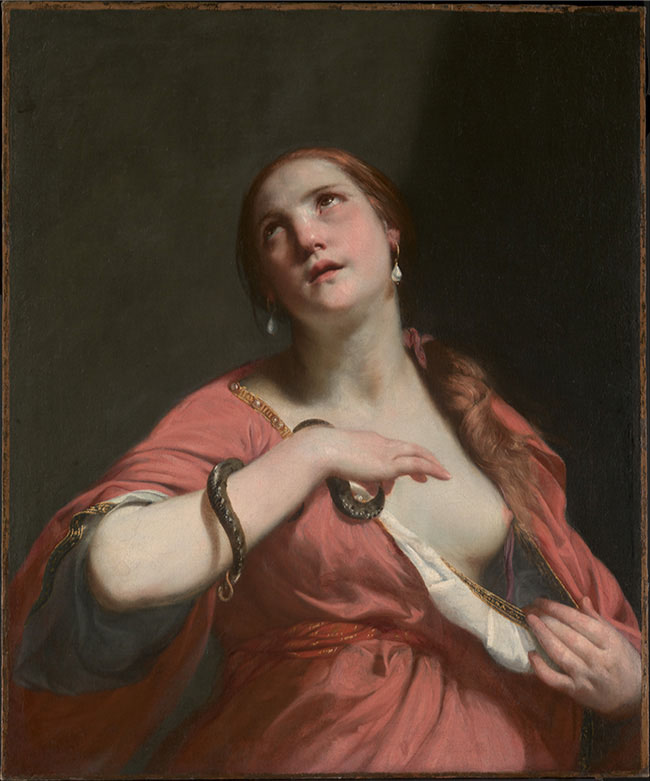
After crushing the remnants of the optimates, the three men divided the Roman Empire between them: Octavian took Italy, Hispania, and Gaul; Lepidus Africa; and Antony Macedon, Greece, and Asia Minor. Soon they quarreled, however, and civil war erupted once again. Having greater support from Caesar’s troops than his two opponents, in 36 BCE Octavian forced Lepidus into retirement. Antony countered by forming an alliance with Cleopatra VII, the Macedonian queen of Egypt, whom he married. Cleopatra was at that time co-ruler with Ptolemy XV, her son by Julius Caesar. With her financial support, Antony raised an army and fleet. In 31 BCE, in the naval Battle of Actium off the coast of northern Greece, Octavian defeated the forces of Antony and Cleopatra. When he afterwards invaded Egypt, the pair died by suicide (Figure 6.36), and Octavian installed himself as the new Egyptian pharaoh after executing Ptolemy XV. Octavian used the wealth of his kingdom in Egypt to finance his restructuring of the Roman state.
英語のヒント
閥族派の残党を打ち破ると、3人はローマの支配領域を分け合った。オクタウィアヌスはイタリア、ヒスパニア、ガリアを、レピドゥスはアフリカを、アントニウスはマケドニア、ギリシア、小アジアを得た。しかしほどなく仲間割れし、再び内戦が起きた。ほかの2人よりカエサルの兵の支持が強かったオクタウィアヌスは、前36年、レピドゥスを引退に追い込んだ。アントニウスは、エジプトのマケドニア系女王クレオパトラ7世と同盟し、結婚して対抗した。クレオパトラは当時、ユリウス・カエサルとの息子プトレマイオス15世と共同統治していた。彼女の資金援助を得て、アントニウスは陸軍と艦隊を整えた。前31年、ギリシア北部の沖合で行われたアクティウムの海戦で、オクタウィアヌスはアントニウスとクレオパトラの軍を破った。その後エジプトへ侵攻すると、2人は自殺した(図6.36)。オクタウィアヌスはプトレマイオス15世を処刑し、自らを新しいエジプトのファラオとした。彼はエジプトの自分の王国から得る富で、ローマ国家の再編に必要な費用を賄った。
Cleopatra and the Asp.クレオパトラと毒蛇
(credit: “The Death of Cleopatra” by Purchase, Diane Burke Gift, Gift of J. Pierpont Morgan, by exchange, Friends of European Paintings Gifts, Gwynne Andrews Fund, Lila Acheson Wallace, Charles and Jessie Price, and Álvaro Saieh Bendeck Gifts, Gift and Bequest of George Blumenthal and Fletcher Fund, by exchange, and Michel David-Weill Gift, 2016/Metropolitan Museum of Art, Public Domain) · Public Domain
Figure 6.36 This mid-seventeenth-century painting by the Italian artist Guido Cagnacci was modeled on one of many ancient accounts about how Cleopatra died. In this version, she allows a poisonous Egyptian snake, an asp, to bite her. If the story is true, she may have been incorporating Egyptian symbolism in her final act, the asp being associated with the Egyptian god Re. (credit: “The Death of Cleopatra” by Purchase, Diane Burke Gift, Gift of J. Pierpont Morgan, by exchange, Friends of European Paintings Gifts, Gwynne Andrews Fund, Lila Acheson Wallace, Charles and Jessie Price, and Álvaro Saieh Bendeck Gifts, Gift and Bequest of George Blumenthal and Fletcher Fund, by exchange, and Michel David-Weill Gift, 2016/Metropolitan Museum of Art, Public Domain)
図6.36 イタリアの画家グイド・カニャッチによる17世紀半ばのこの絵は、クレオパトラの死を伝える多数の古代の記述の一つをもとにした。この話では、彼女はアスプと呼ばれるエジプトの毒蛇に自らをかませる。話が事実なら、最期の行為にエジプトの象徴を取り入れたのかもしれない。アスプはエジプトの神ラーと結びついていたからである。(出典: “The Death of Cleopatra”/購入。Diane Burke の寄贈、J. Pierpont Morgan の寄贈品の交換、Friends of European Paintings の寄贈、Gwynne Andrews 基金、Lila Acheson Wallace・Charles and Jessie Price・Álvaro Saieh Bendeck の寄贈、George Blumenthal の寄贈・遺贈および Fletcher 基金の取得品の交換、Michel David-Weill の寄贈による、2016年/メトロポリタン美術館, パブリックドメイン)
One of Octavian’s primary tasks after 31 BCE was to consolidate his position in order to preserve the peace and stability he had created. To avoid the fate of his adopted father, he successfully maintained a façade that the Roman Republic was alive and well, assuming titles and powers traditionally associated with it. After stacking the Senate with his supporters, in 27 BCE Octavian officially stepped down as dictator and “restored” the Republic.
英語のヒント
前31年以降、オクタウィアヌスの主要な課題の一つは、自分がつくった平和と安定を守るため、その地位を固めることだった。養父の運命を避けるため、共和政に伝統的に結びつく称号と権限を引き受け、ローマ共和政が健在であるという外見を巧みに保った。支持者で元老院を固めたあと、前27年、オクタウィアヌスは正式に独裁官を辞任し、共和政を「復活」させた。
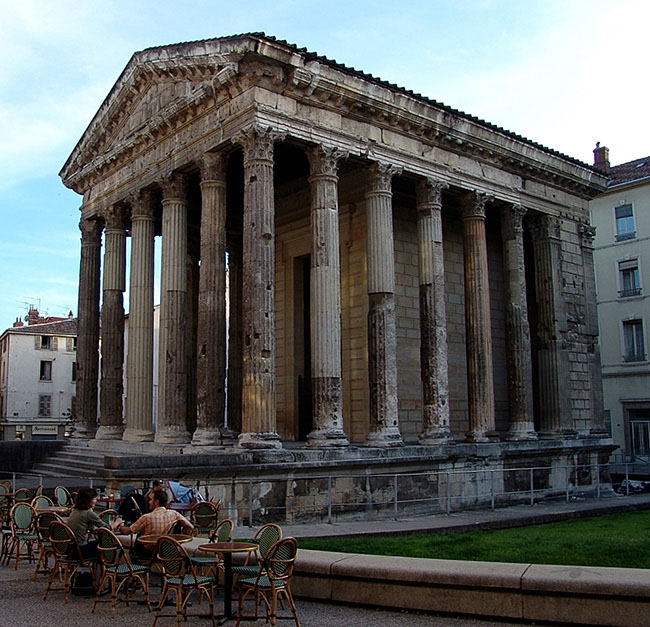
The Senate immediately appointed him proconsul or governor of all Roman frontier provinces, which made him effectively the commander of the entire Roman army. The Senate also recognized him as the Princeps Senatus, or “leader of the Senate,” meaning the senator who enjoyed the most prestige and authority due to his service to the Republic. (The name of this political order, the principate, derives from this title.) Finally, the Senate voted to honor Octavian with the title of Augustus or “revered one,” used to describe gods and great heroes of the past. As these honors and titles suggest, Octavian, traditionally referred to as Augustus after 27 BCE, had assumed enormous power. Despite his claim that he had restored the Republic, he had in fact inaugurated the Empire, with himself as emperor possessing almost godlike authority (Figure 6.37).
英語のヒント
元老院はただちに彼を、ローマのすべての辺境属州のプロコンスル、すなわち総督に任命した。それによって彼は実質的にローマ全軍の指揮官となった。元老院はまた、彼をプリンケプス・セナトゥス、つまり「元老院の第一人者」として認めた。共和国への奉仕によって、もっとも高い威信と権威を持つ元老院議員という意味である。この政治体制の名称「プリンキパトゥス」、すなわち元首政は、この称号に由来する。最後に元老院は、かつての神々や偉大な英雄を表す際に用いる「尊厳なる者」、アウグストゥスの称号をオクタウィアヌスに贈ると決議した。こうした栄誉や称号が示すように、前27年以降は通常アウグストゥスと呼ばれるオクタウィアヌスは、絶大な権力を握った。共和政を復活させたと主張したが、実際には自らがほとんど神のような権威を持つ皇帝となり、帝政を開始したのである(図6.37)。
A Temple in the Roman Empire.ローマ帝国の神殿
(credit: “Temple of Augustus and Livia in Vienne” by O.Mustafin/Wikimedia Commons, CC0 1.0) · CC0 1.0
Figure 6.37 The power of Augustus laid the foundation for the emergence of the imperial cult, in which Roman emperors were worshiped during their reigns (largely in the east) and assumed demigod status after their deaths. At temples like this one in Vienne, France, built during Augustus’s lifetime, people demonstrated their loyalty to the Roman Empire through the rituals of this cult. (credit: “Temple of Augustus and Livia in Vienne” by O.Mustafin/Wikimedia Commons, CC0 1.0)
図6.37 アウグストゥスの権力は皇帝崇拝が生まれる基盤となった。ローマ皇帝は、主に東方では在位中から崇拝され、死後には半神の地位を得た。アウグストゥス存命中に建てられた、フランスのヴィエンヌにあるこのような神殿で、人びとは皇帝崇拝の儀式を通してローマ帝国への忠誠を示した。(出典: “Temple of Augustus and Livia in Vienne”/O.Mustafin/Wikimedia Commons, CC0 1.0)
After 27 BCE, Augustus held elected office as one of the two consuls, so he could sit in the Senate, oversee the law courts, and introduce legislation to the Centuriate Assembly, but the senators disliked this arrangement because it closed the opportunity for one of them to hold this prestigious office instead. In 23 BCE, therefore, the Senate gave Augustus several powers of a tribune. He could now veto any action taken by government officials, the Senate, and the assemblies, and he could introduce laws to the Plebeian Assembly. He could wield political and military power based on the traditional constitution of the Republic.
英語のヒント
前27年以降、アウグストゥスは選挙で選ばれる2人の執政官のうちの1人となり、元老院に出席し、法廷を監督し、ケントゥリア民会に法案を提出できるようになった。しかし元老院議員はこの仕組みを好まなかった。自分たちのうちの誰かが、その名誉ある役職に就く機会をふさがれたからである。そこで前23年、元老院はアウグストゥスに護民官のいくつかの権限を与えた。彼は政府の役人、元老院、民会のあらゆる行動に拒否権を行使でき、平民会に法案を提出することもできるようになった。こうして共和国の伝統的な国制に基づきながら、政治的・軍事的な権力を振るうことができた。
As emperor, Augustus successfully tackled problems that had plagued Rome for at least a century. He reduced the standing army from 600,000 to 200,000 and provided land for thousands of discharged veterans in recently conquered areas such as in Gaul and Hispania. He also created new taxes specifically to fund land and cash bonuses for future veterans. To encourage native peoples in the provinces to adopt Roman culture, he granted them citizenship after twenty-five years of service in the army. Indigenous cities built in the Roman style and adopting its political system were designated municipia, which gave all elected officials Roman citizenship. Through these “Romanization” policies, Augustus advanced Roman culture across the empire.
英語のヒント
皇帝としてアウグストゥスは、少なくとも1世紀にわたってローマを苦しめていた問題にうまく対処した。常備軍を60万人から20万人へ減らし、ガリアやヒスパニアなど征服して間もない地域で、数千人の退役兵に土地を与えた。将来の退役兵に与える土地や現金の一時金を賄うため、専用の新しい税も設けた。属州の先住民にローマ文化の受容を促すため、軍で25年間務めれば市民権を与えた。ローマ風に建設され、ローマの政治制度を採用した現地の都市は、ムニキピウムに指定された。それによって、その都市で選挙により選ばれた役人全員がローマ市民権を得た。こうした「ローマ化」の政策で、アウグストゥスは帝国全土にローマ文化を広めた。
Augustus also finally brought order and prosperity to the city of Rome. He began a vast building program that provided jobs for poor Romans in the city and reportedly boasted that he had transformed Rome from a city of brick to a city of marble. To win over the masses, he also provided free grain (courtesy of his control of fertile Egypt) and free entertainment (gladiator combats and chariot races), making Rome famous for its bounty of “bread and circuses.” He also established a permanent police force in the city, the Praetorian Guard, which he recruited from the Roman army. He even created a fire department.
英語のヒント
アウグストゥスはついにローマの都市にも秩序と繁栄をもたらした。大規模な建設計画を始め、都市の貧しいローマ人に仕事を与えた。ローマを煉瓦の都市から大理石の都市へ変えたと自慢したとも伝えられる。大衆の支持を得るため、肥沃なエジプトを支配した恩恵として穀物を無料で配り、剣闘士の試合や戦車競走といった娯楽も無料で提供した。そのためローマは、豊富な「パンと見世物」で有名になった。ローマ軍から人員を募り、都市に恒久的な警察組織であるプラエトリアニ、すなわち近衛隊も設けた。消防組織まで創設した。
Augustus provided wealthy Romans outside the ranks of the Senate with new opportunities for advancement via key positions he reserved for them, such as prefect (commander/governor) of the Praetorian Guard and prefect of Egypt. These officials could join the Senate and become members of the senatorial elite. Augustus thus created an effective new bureaucracy to govern the Roman Empire. Emperors who followed him continued these practices.
英語のヒント
アウグストゥスは、元老院の議員ではない裕福なローマ人にも、新たな出世の機会を与えた。近衛隊のプラエフェクトゥス、すなわち長官や、エジプト総督など、彼らのために確保した重要な役職を通してだった。こうした役人は元老院に加わり、元老院の支配層の一員になることができた。こうしてアウグストゥスは、ローマ帝国を治めるための有効な新しい官僚制をつくった。彼に続く皇帝も、この慣行を続けた。
Augustus was keenly aware that the peace and prosperity he had created was largely built upon his image and power, and he feared what might happen when he died. As a result, the last few decades of his life were spent arranging for a political successor. This was a complicated matter since there was neither an official position of emperor nor a republican tradition of hereditary rule. Augustus had no son of his own, and his attempts to groom others to take control were repeatedly frustrated when his proposed successors died before him. Before his own death in 14 CE, Augustus arranged for his stepson Tiberius to receive from the Senate the power of a proconsul and a tribune. While not his first choice, Tiberius was an accomplished military leader with senatorial support.
英語のヒント
アウグストゥスは、自分がつくった平和と繁栄が、自らの威信と権力に大きく依存していることを強く意識しており、死後に何が起きるかを恐れた。そのため、生涯の最後の数十年間は、政治的な後継者を用意することに費やした。これは難しい問題だった。皇帝という正式な役職もなければ、共和政には世襲統治の伝統もなかったからである。アウグストゥスには実の息子がおらず、ほかの人を後継者に育てようとしても、予定した人物が自分より先に死んでしまい、繰り返し挫折した。後14年に自分が亡くなる前に、アウグストゥスは、継子ティベリウスが元老院からプロコンスルと護民官の権限を受けられるよう手配した。第一候補ではなかったが、ティベリウスは元老院の支持を持つ有能な軍事指導者だった。
Despite the smooth transition to Tiberius in 14 CE, problems with imperial inheritance remained. There were always risks that a hereditary ruler might prove incompetent. Tiberius himself became dangerously paranoid late in his reign. And he was succeeded by his grandnephew and adopted son Gaius, known as Caligula, who after a severe illness became insane. The prefect of the Praetorian Guard assassinated Caligula in 40 CE, and the guard replaced him with his uncle Claudius (40–54 CE). The Roman Senate agreed to this step only out of fear of the army. Claudius was an effective emperor, however, and under his reign the province of Britain (modern England and Wales) was added to the empire.
英語のヒント
後14年のティベリウスへの移行は円滑だったが、帝位継承の問題は残った。世襲の統治者が無能だと判明する危険はつねにあった。ティベリウス自身も、治世の末には危険なほど疑い深くなった。その後を継いだのは、大甥で養子のガイウス、通称カリグラだったが、重い病気のあとに正気を失った。近衛隊長官は後40年にカリグラを暗殺し、近衛隊は代わりに彼のおじクラウディウスを皇帝に据えた。在位は後40~後54年である。ローマ元老院がこの措置に同意したのは、軍が怖かったからにすぎなかった。しかしクラウディウスは有能な皇帝で、その治世にブリタニア、現在のイングランドとウェールズが属州として帝国に加わった。
The government of Claudius’s successor, his grandnephew Nero (54–68 CE), was excellent as long as Nero’s mother Agrippina was the power behind the throne. After ordering her murder, however, Nero proved a vicious despot who used the Praetorian Guard to intimidate and execute his critics in the Senate. By the end of his reign, Roman armies in Gaul and Hispania were mutinying. The Senate declared him an enemy of state, and he died by suicide. During the year after his death, 68–69 CE, four different generals assumed power, thus earning it the name “Year of the Four Emperors.”
英語のヒント
クラウディウスの後継者で大甥のネロ(在位54~68年)の政治は、母アグリッピナが陰で権力を握っていたあいだは優れていた。しかし母の殺害を命じてからは、ネロは残忍な専制君主となり、近衛隊を使って元老院の批判者を脅し、処刑した。治世の終わりまでに、ガリアとヒスパニアのローマ軍が反乱を起こした。元老院はネロを国家の敵と宣言し、彼は自殺した。死後の1年間、68~69年には、4人の将軍が次々と権力を握った。そのため、この時期は「四皇帝の年」と呼ばれる。
Of the four, Vespasian (69–79 CE) survived the civil war and adopted the name Caesar and the title Augustus, even though he was not related to the family of Augustus or their descendants (the Julio-Claudian dynasty). On Nero’s death, he had been in command of Roman armies suppressing the revolt of Judea (Roman armies eventually crushed this revolt and sacked Jerusalem in 70 CE). In his administration, Vespasian followed the precedents established by Augustus. For example, he ordered the construction of the Colosseum as a venue for the gladiator shows he provided as entertainment for the Roman masses, and he arranged for his two sons, Titus (79–81 CE) and Domitian (81–96 CE), to succeed him as emperor. Domitian, like Nero, was an insecure ruler and highly suspicious of the Senate; he employed the Praetorian Guard to arrest and execute his critics in that body. In 96 CE, his wife Domitia worked with members of the Senate to arrange for his assassination. Thus the flaws of the principate continued to haunt the Roman state long after its founder was gone.
英語のヒント
4人のうち、ウェスパシアヌス(在位69~79年)が内戦を生き残った。アウグストゥスの一族やその子孫であるユリウス=クラウディウス朝とは血縁がなかったが、カエサルの名とアウグストゥスの称号を採用した。ネロが死んだとき、彼はユダヤの反乱を鎮圧するローマ軍の指揮を執っていた。ローマ軍は最終的に反乱を鎮圧し、70年にエルサレムを略奪した。ウェスパシアヌスは統治において、アウグストゥスがつくった先例に従った。たとえばローマの大衆に娯楽として提供する剣闘士の試合の会場として、コロッセウムの建設を命じた。また、2人の息子ティトゥス(在位79~81年)とドミティアヌス(在位81~96年)が皇帝として後を継ぐよう手配した。ドミティアヌスはネロと同様に不安を抱く統治者で、元老院を強く疑い、近衛隊を使ってそのなかの批判者を逮捕・処刑した。96年、妻ドミティアは元老院議員たちと協力し、彼の暗殺を仕組んだ。こうして元首政の欠陥は、創始者が去ってから長い時を経ても、ローマ国家につきまとい続けた。