第12章戦間期The Interwar Period
The treaty was more popular in other Allied nations. Britain generally felt it was even-handed and that the punishment of Germany was just. The British people looked forward to joining the League. The French also agreed with the penalties heaped upon Germany, though some felt they should have gone even further because France had suffered more than Britain had. China was frustrated that Japan was allowed to retain Shandong under the treaty, but its protests fell on deaf ears. Anger at China’s treatment helped lead to the May Fourth Movement, which began in Beijing in 1919 as a protest by students. It grew to include labor strikes, calls for a boycott of Japanese-made products, and the removal of Japanese-leaning government officials.
英語のヒント
ほかの連合国では、条約はより好意的に受け止められた。イギリスでは一般に、公平な条約であり、ドイツへの処罰は正当だと考えられた。イギリスの人々は国際連盟への参加を期待した。フランス人もドイツに重ねて科された罰に賛成したが、フランスの被害はイギリスより大きかったのだから、もっと厳しくすべきだったと考える人もいた。中国は、条約によって日本が山東の権益を保持することを認められたことに不満を抱いたが、その抗議は聞き入れられなかった。中国への扱いに対する怒りは五四運動につながった。運動は1919年、北京での学生の抗議として始まり、労働者のストライキ、日本製品の不買運動、親日的な政府高官の罷免を求める動きへと広がった。
Postwar Recession and Prosperity戦後の不況と繁栄
World War I devastated the world’s economies. Four long years of conflict and losses had disrupted the labor force across Europe, not to mention governments’ budgetary predictions. The reparations owed by Germany were the means by which Britain and France planned to deal with their own debt, but they also created an economic house of cards that could easily tumble down. Africa, Asia, and Latin America also felt the economic effects of the war. Before the war, African nations had traded extensively with Europe, especially Germany, which had accounted for the majority of European trade with sub-Saharan Africa. When the war began, the difficulty of trading with the combatant nations meant that many European goods became more expensive, and many Africans could no longer afford them.
英語のヒント
第一次世界大戦は世界の経済を壊滅的に傷つけた。4年に及ぶ戦闘と人的損失は、ヨーロッパ全域の労働力を混乱させ、政府の予算見通しをも狂わせた。イギリスとフランスは、自国の債務に対処する手段として、ドイツが支払う賠償金を当てにした。しかし、それは容易に崩れ落ちる「トランプの家」のような、脆い経済の仕組みをつくることにもなった。アフリカ、アジア、ラテンアメリカも、戦争による経済的な影響を受けた。戦前、アフリカの国々はヨーロッパ、とりわけドイツと盛んに交易していた。サハラ以南のアフリカとヨーロッパの交易では、ドイツが大部分を占めていた。戦争が始まると、交戦国との取引が難しくなったため、多くのヨーロッパ製品が値上がりし、多くのアフリカ人には手が届かなくなった。
Following the war, Britain and France looked to their African colonies and to Germany’s former colonial possessions for their financial salvation. Both France and Britain focused on agricultural development. Often this meant increasing opportunities for White settlers to reap profit for both themselves and the home country while limiting opportunities for Black Africans. In the portion of Cameroon given to France to administer after the war, French officials encouraged growing coffee for export. But they also allotted licenses to grow the crop primarily to Europeans and restricted the number of acres that Black Africans could cultivate. Lack of opportunity for Black people meant that White coffee growers had a ready supply of agricultural laborers who were forced to accept low wages. Similarly, in British Tanganyika (present-day Tanzania), the right to cut and market timber was reserved for Europeans. Britain and France also invested heavily in railroad building in Africa following the war, and Britain poured funds into mining operations in Nigeria, the Gold Coast (Ghana), and South Africa.
英語のヒント
戦後、イギリスとフランスは、財政を救う手段を自国のアフリカ植民地とドイツの旧植民地に求めた。両国が力を入れたのは農業開発だった。しかしそれはしばしば、黒人アフリカ人の機会を制限する一方、白人入植者が自分たちと本国の双方のために利益を上げる機会を増やすことを意味した。戦後にフランスが統治することになったカメルーンの地域では、フランス当局は輸出用コーヒーの栽培を奨励した。しかし栽培許可は主にヨーロッパ人に割り当て、黒人アフリカ人が耕作できる面積を制限した。黒人の機会を奪ったことで、白人のコーヒー栽培者は、低賃金を受け入れざるを得ない農業労働者を容易に確保できた。同様に、イギリス領タンガニーカ、現在のタンザニアでは、木材を伐採して販売する権利はヨーロッパ人に独占的に認められた。戦後、イギリスとフランスはアフリカの鉄道建設にも多額の投資を行った。イギリスは、ナイジェリア、ゴールドコースト〈現在のガーナ〉、南アフリカの鉱山事業にも資金を注ぎ込んだ。
East Asian countries were also affected by the war, and the economies of several, such as China and Japan, underwent a growth period following its end. Though China was not yet heavily industrialized, it benefited from the decrease in global competition caused by Europe’s economic issues.
英語のヒント
東アジアの国々も戦争の影響を受け、中国や日本など、いくつかの国の経済は終戦後に成長期を迎えた。中国では工業化がまだ十分に進んでいなかったが、ヨーロッパの経済問題によって世界市場での競争が弱まったことから利益を得た。
In the Taisho period in the 1920s, the Japanese economy was buffeted by booms and recessions, the Great Kanto Earthquake of 1923, inflation, and a serious banking crisis in 1927. Japan had become heavily dependent on trade with the United States, and its urban economy was now undermined by the protectionism practiced by both U.S. and European markets in the form of tariffs on foreign imports. Japan’s economy continued growing in the 1920s, however, as the country increased military production and began making investments in China. Inflation did occur, but the government adopted austerity policies to combat it. Japan was able to increase its exports after the war even more than China did, and trade with the United States, in particular, increased substantially.
英語のヒント
1920年代の大正期、日本経済は好況と不況の波、1923年の関東大震災、インフレ、そして1927年の深刻な金融危機に揺さぶられた。日本はアメリカ合衆国との貿易に大きく依存するようになっており、アメリカとヨーロッパの市場が輸入品への関税という形で採った保護貿易主義によって、都市経済は打撃を受けた。それでも1920年代には、軍需生産を増やし、中国への投資を始めたことによって、日本経済は成長を続けた。インフレは確かに起きたが、政府はそれに対処するため緊縮政策を採用した。戦後、日本は中国以上に輸出を増やすことができ、とりわけアメリカとの貿易が大幅に拡大した。
Latin American countries saw little real economic change after the war. Many had few industries and still depended on agricultural exports for economic growth. Some faced more competition for these commodities as other regions around the world began to export increasing amounts of items such as rubber. One Latin American commodity that did see growth, particularly in Venezuela, was oil, which was becoming increasingly important in global markets. The heavily industrialized countries of South America, such as Argentina, Brazil, and Peru, provided stable but minor economic growth. They geared their manufacturing to the export market, but tariffs rates and internal changes in monetary policy during the 1920s held them back.
英語のヒント
ラテンアメリカの国々では、戦後に実質的な経済変化はほとんど見られなかった。多くの国は工業が乏しく、経済成長をなお農産物の輸出に頼っていた。世界のほかの地域がゴムなどの輸出を増やすと、こうした一次産品の市場で競争の激化に直面する国もあった。ラテンアメリカの輸出品のうち成長したものの一つが石油で、特にヴェネズエラで生産が拡大した。石油は世界市場でますます重要になっていた。アルゼンチン、ブラジル、ペルーなど、工業化が進んだ南アメリカの国々では、安定してはいるが小幅な経済成長が見られた。製造業は輸出市場向けに整えられたが、1920年代の関税率と国内の金融政策の変更が成長を抑えた。
The United States did not suffer the physical devastation of war that the other Allies did. It emerged from the conflict in a position of economic power, a creditor nation to be repaid for its wartime loans to Britain and France. Thus, the 1920s were a decade of prosperity for the country, in which technological innovations added to the sense of affluence. Major retailers were ready to sell consumers new items like vacuum cleaners, electric ovens, and refrigerators through credit lines they paid off over time. Domestic life became significantly easier, wages increased, and unemployment was low. For U.S. citizens, the future seemed bright.
英語のヒント
アメリカ合衆国は、ほかの連合国が受けたような物理的な戦争被害を受けなかった。戦争を終えたアメリカは経済的に強い立場にあり、戦時中にイギリスとフランスへ貸した資金の返済を受ける債権国となっていた。そのため、1920年代はアメリカにとって繁栄の10年間となり、技術革新が人々の豊かさの実感をさらに強めた。大手小売業者は、掃除機、電気オーブン、冷蔵庫といった新製品を、消費者が一定期間かけて返済する信用販売によって売り出そうとしていた。家庭生活は大幅に便利になり、賃金は上昇し、失業率は低かった。アメリカ市民には、将来は明るく見えた。
Germany and Reparationsドイツと賠償問題
John Maynard Keynes, the creator of Keynesian economics, was a British economist at the Paris Peace Conference in 1919. He was so unsettled by the potential financial repercussions of the treaty’s terms that he wrote a book contending the large reparations would mean economic ruin for Germany, endangering the entire European economy. His predictions were soon borne out.
英語のヒント
ケインズ経済学を生み出したイギリスの経済学者ジョン・メイナード・ケインズは、1919年のパリ講和会議に参加していた。条約の条件がもたらしかねない経済的な影響に強い不安を抱き、多額の賠償金がドイツ経済を破綻させ、ヨーロッパ経済全体を危うくすると主張する本を書いた。その予測は、ほどなく現実によって裏付けられた。
Germany faced numerous problems as the 1920s began. It was not only blamed for the war, but its foreign financial assets had also been seized under the treaty, further compromising its economic power, and it had been physically diminished when many rich industrial areas were cut away from its territory. Thus, one of the immediate problems facing the new democratic Weimar Republic government was finding a way to pay the reparations.
英語のヒント
1920年代が始まるころ、ドイツは多くの問題に直面していた。戦争の責任を負わされたうえ、条約によって国外の金融資産も接収され、経済力をさらに損なっていた。また、富裕な工業地帯の多くを領土から切り離されたため、国土も縮小していた。したがって、新しく成立した民主的なヴァイマル共和国政府が直ちに直面した問題の一つは、賠償金を支払う方法を見つけることだった。
The first payment came due in 1921, but Germany was unable to fund the full amount, and the unresolved issue about how to enforce the treaty terms resurfaced. The next year, 1922, Germany defaulted on its payments to France and Britain. In response, French and Belgian troops occupied the Ruhr Valley, the center of German iron, coal, and steel production, as a means to force repayment. The French needed the valley’s resources (especially coal). German residents of the valley resisted the occupation, and many were killed in the resulting conflict.
英語のヒント
最初の支払いは1921年に期限を迎えたが、ドイツは全額を用意できず、条約の条件をどう履行させるかという未解決の問題が再び表面化した。翌1922年、ドイツはフランスとイギリスへの支払いを滞らせた。これに対し、フランス軍とベルギー軍は、返済を強制する手段として、ドイツの鉄・石炭・鉄鋼生産の中心地ルール地方を占領した。フランスは、この地域の資源、とりわけ石炭を必要としていた。地域のドイツ人住民は占領に抵抗し、その結果生じた衝突で多くの人々が殺された。
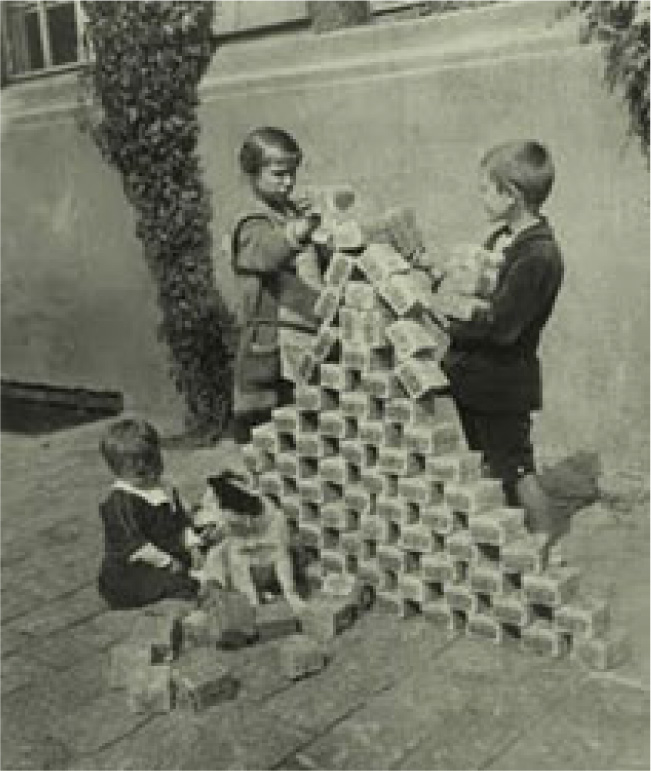
To reach an immediate solution, Germany began simply printing more money. But this created an inflationary cycle, and the economy soon proved incapable of keeping up with the hyperinflation that resulted. The new money was literally not worth the paper it was printed on (Figure 12.6). The government had to print ever-larger denominations of bills, and people took wheelbarrows of cash to the store to buy a loaf of bread. Holding a job seemed ludicrous when pay could not keep up with a rate of inflation that increased by the day. The entire German middle class saw their savings disappear, and with their money went their support of the government.
英語のヒント
目先の解決を図るため、ドイツは単純に通貨を増刷し始めた。しかしこれがインフレの循環を生み、経済は、そこから生じたハイパーインフレにたちまち追いつけなくなった。新しい通貨の価値は、文字どおり、それを印刷した紙にも及ばなかった(図12.6)。政府はますます額面の大きな紙幣を刷らねばならず、人々はパン1斤を買うために手押し車いっぱいの現金を店へ運んだ。物価上昇率が日ごとに増し、賃金がそれに追いつかない状態では、仕事に就いていることさえばかばかしく思われた。ドイツの中間層はこぞって貯蓄が消えるのを目の当たりにした。そして金とともに、政府への支持も失われた。
Hyperinflation.ハイパーインフレ
(credit: “Hyperinflation in Germany in 1923” by Mount Holyoke College/Wikimedia Commons, Public Domain) · Public Domain
Figure 12.6 In the 1920s, hyperinflation in Germany had made the national currency virtually worthless. In this photograph from 1923, Germany children play with stacks of banknotes. (credit: “Hyperinflation in Germany in 1923” by Mount Holyoke College/Wikimedia Commons, Public Domain)
図12.6 1920年代のドイツでは、ハイパーインフレによって自国通貨がほとんど無価値になっていた。この1923年の写真では、ドイツの子どもたちが札束で遊んでいる。(出典:Mount Holyoke College/Wikimedia Commons「Hyperinflation in Germany in 1923」、パブリックドメイン)
In 1924, the United States intervened by arranging the Dawes Plan, by which Germany’s installment payments were lowered but set to increase in the future as its economy rebounded. Foreign banks, many in the United States, also loaned Germany money to stabilize its inflationary economy. This enabled Germany to make its payments, but it also meant taking on more debt. In essence, U.S. banks were loaning money to Germany that it was using to pay Britain and France, which in turn used that money to pay back their own debts to the United States.
英語のヒント
1924年、アメリカ合衆国はドーズ案をまとめて介入した。この案は、ドイツの賠償金の分割支払額を当面引き下げ、経済の回復に伴って将来増やしていくものだった。外国の銀行、その多くはアメリカの銀行も、インフレに陥った経済を安定させるため、ドイツに資金を貸した。ドイツはこれによって賠償金を支払えるようになったが、同時に借金をさらに増やすことにもなった。要するに、アメリカの銀行がドイツに融資し、ドイツはその金をイギリスとフランスへの支払いに使った。そして英仏は、その金を使って自国のアメリカに対する借金を返済していたのである。
Reparations continued to present an extreme economic hardship for Germany. In 1929, the United States announced a new proposal. The Young Plan stretched German reparations across a fifty-nine–year payment schedule, slightly lowered the total to $29 billion, and arranged hundreds of millions of dollars’ worth of additional loans. Germany continued to make payments until 1932, when the worldwide Great Depression made it untenable to continue. Later agreements canceled more of the remaining debt, and the last payment was finally made in 2010. In all, Germany paid only about one-eighth of the total.
英語のヒント
賠償金は引き続き、ドイツに極めて重い経済的な負担を与えた。1929年、アメリカ合衆国は新たな提案を発表した。ヤング案は、ドイツの賠償金の支払いを59年間に引き延ばし、総額を290億ドルへとわずかに引き下げ、さらに数億ドル相当の追加融資を取りまとめるものだった。ドイツは1932年まで支払いを続けたが、世界恐慌によって継続は不可能になった。その後の合意により残債の多くが免除され、最後の支払いは最終的に2010年に行われた。合計すると、ドイツが支払ったのは総額のおよそ8分の1にすぎなかった。
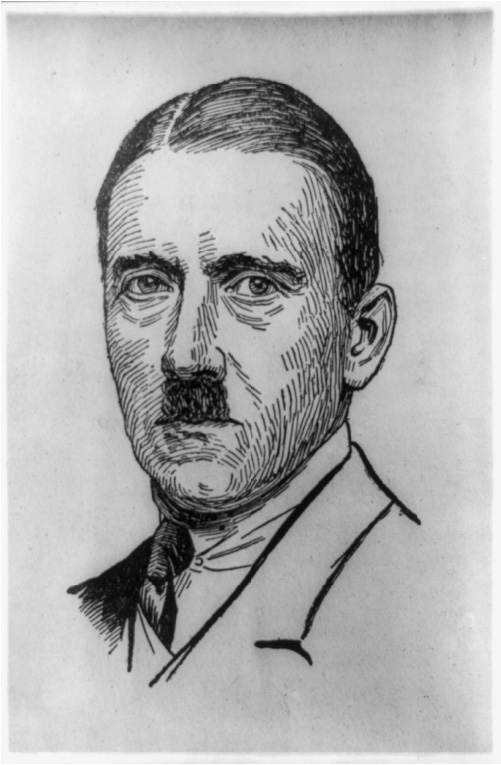
Poor decisions by Germany’s Weimar Republic contributed to growing public frustration with the new democratic government. Many political groups attempted to use the country’s economic problems to catapult themselves to political power. Among these was the National Socialists or Nazi Party, whose members favored a more authoritarian government. One man who joined the group in the early 1920s was Adolf Hitler (Figure 12.7).
英語のヒント
ドイツのヴァイマル共和国が下した誤った判断は、新しい民主政に対する国民の不満を強めた。多くの政治集団が、この国の経済問題を利用して、一気に権力の座に就こうとした。その一つが国家社会主義者、すなわちナチ党であり、党員はより権威主義的な統治を支持していた。1920年代初めにこの集団に加わった人物の一人が、アドルフ・ヒトラーである(図12.7)。
Adolf Hitler.アドルフ・ヒトラー。
(credit: “Adolf Hitler, head-and-shoulders portrait, facing slightly left” by George Grantham Bain Collection/Library of Congress) · Public Domain
Figure 12.7 This portrait drawing of Hitler was made in 1923, when he was about thirty-four years old. (credit: “Adolf Hitler, head-and-shoulders portrait, facing slightly left” by George Grantham Bain Collection/Library of Congress)
図12.7 このヒトラーの肖像画は、彼が34歳ほどだった1923年に描かれた。(出典:「Adolf Hitler, head-and-shoulders portrait, facing slightly left」、ジョージ・グランサム・ベイン・コレクション/米国議会図書館)
Hitler was a veteran of the war who subscribed to the unfounded stab-in-the-back theory and had developed an abiding hatred of the Treaty of Versailles. He became a persuasive orator in the 1920s and rose up the ranks of the Nazis as he recruited more people to the group. In 1923, he decided to launch a takeover of the state government in Munich. The planned Beer Hall Putsch (so named because the targeted politicians were to be kidnapped at a beer hall) failed, and Hitler and many supporters were arrested. Over the next year in jail, Hitler wrote the book Mein Kampf (“My Struggle”), in which he outlined his plan for the Nazis to achieve political power and their goals for the resurgence of Germany. These goals included the uniting of German-speaking peoples under one government and an expansion eastward in search of Lebensraum or “living space.” His words found a sympathetic audience in the 1920s.
英語のヒント
ヒトラーは第一次世界大戦の帰還兵であり、根拠のない「背後の一突き」説を信じ、ヴェルサイユ条約に対する根深い憎悪を抱くようになっていた。1920年代には人々を説き伏せる演説家となり、党に多くの人を勧誘しながらナチ党内で地位を高めた。1923年、ミュンヘンで州政府を乗っ取ることを決意する。計画されたビアホール一揆、すなわちミュンヘン一揆は失敗し、ヒトラーと多くの支持者が逮捕された。ビアホールという名は、標的の政治家たちをビアホールで拉致する計画だったことに由来する。その後の約1年間の獄中生活で、ヒトラーは『我が闘争』(Mein Kampf)を執筆した。同書で、ナチ党が政治権力を握るための計画と、ドイツを再び強国にするための目標を示した。その目標には、ドイツ語を話す人々を一つの政府の下に統合することと、レーベンスラウム、すなわち「生存圏」を求めて東方へ拡張することが含まれた。彼の言葉に共感する人々が、1920年代には存在した。