第15章現代世界と続く課題The Contemporary World and Ongoing Challenges
Introductionはじめに
Globalization.グローバル化。
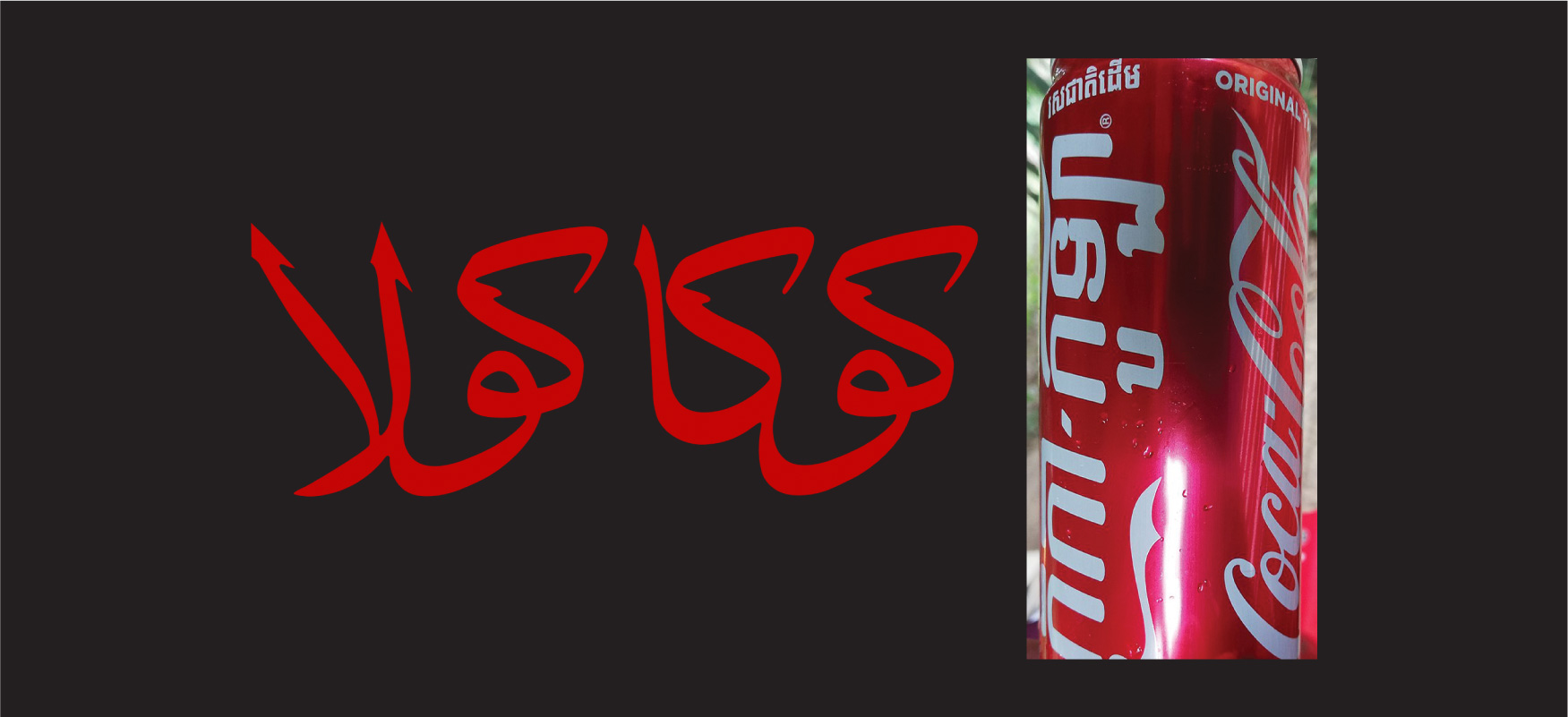
(credit left: modification of work “The official Arabic script logo for Coca-Cola” by “Hope(N Forever)”/Wikimedia Commons, Public Domain; credit right: modification of work “Coca-Cola can with Khmer equivalent” by “Treehill”/Wikimedia Commons, Public Domain) · Public Domain
Figure 15.1 Coca-Cola is often used as a symbol of globalization across the world. On the left “Coca-Cola” is written in Arabic script. On the right is a can with the name of the product written in both English and Khmer, the primary language in Cambodia. Cuba and North Korea are the only places on earth where Coke cannot be purchased. (credit left: modification of work “The official Arabic script logo for Coca-Cola” by “Hope(N Forever)”/Wikimedia Commons, Public Domain; credit right: modification of work “Coca-Cola can with Khmer equivalent” by “Treehill”/Wikimedia Commons, Public Domain)
図15.1 コカ・コーラは、世界各地でグローバル化の象徴としてよく用いられる。左では「コカ・コーラ」がアラビア文字で書かれている。右の缶には英語と、カンボジアの主要言語クメール語の両方で製品名が記されている。地球上でコカ・コーラを買えない場所は、キューバと北朝鮮だけである。(左の出典:「Hope(N Forever)」/ウィキメディア・コモンズの「The official Arabic script logo for Coca-Cola」を改変、パブリックドメイン。右の出典:「Treehill」/ウィキメディア・コモンズの「Coca-Cola can with Khmer equivalent」を改変、パブリックドメイン)
Few symbols of global trade and Americanization abroad have been as powerful as Coca-Cola (Figure 15.1). Though it is the most widely consumed soft drink in the world, its conquest of the globe has not been without controversy. Coca-Cola bottlers were accused of interfering with labor union organization in South America in the 1990s, and in 2014, the company was forced to close a bottling plant in northern India that was depriving farmers of water. Today, although Coca-Cola is making an effort to restore the water that it uses in places like India and South Africa, some critics claim that it still uses more than it replenishes. Coke is an apt symbol of the interconnectedness of our contemporary world and the challenges it presents. Many people enjoy the benefits that come with an increasingly globalized economy, but many have also been harmed in the process.
英語のヒント
国際貿易と海外のアメリカ化を象徴するものの中で、コカ・コーラほど強力なものは少ない(図15.1)。世界で最も広く飲まれる清涼飲料だが、世界制覇に論争がなかったわけではない。1990年代には南米のボトリング業者が労働組合の組織化を妨げたと非難され、2014年には農民の水を奪っていたインド北部の瓶詰め工場を閉鎖させられた。今日、同社はインドや南アフリカなどで使った水を補う努力をしているが、依然として補充量を上回る水を使っていると主張する批判者もいる。コカ・コーラは、現代世界の相互の結びつきと、それがもたらす課題を示す適切な象徴である。ますますグローバル化する経済の恩恵を享受する人は多いが、その過程で被害を受けた人も多い。
Timeline: The Contemporary World and Ongoing Challenges.年表:現代世界と続く課題。
Figure 15.2 (credit “1955”: modification of work “Dr Jonas Edward Salk, creator of Salk polio vaccine, at Copenhagen Airport” by SAS Scandinavian Airlines/Wikimedia Commons, Public Domain; credit “1962”: modification of work “Rachel Carson, author of Silent Spring. Official photo as FWS employee. c. 1940” by USFWS National Digital Library/Wikimedia Commons, CC0 1.0; credit “1986”: modification of work “View of Chernobyl taken from Pripyat” by Jason Minshull/Wikimedia Commons/Public Domain; credit “2001”: modification of work “New York, NY, September 19, 2001 -- Rescue workers climb over and dig through piles of rubble from the destroyed World Trade Center as the American flag billows over the debris” by Andrea Booher/Wikimedia Commons, Public Domain; credit "2010”: modification of work “Tahrir Square during 8 February 2011” by “Mona”/Flickr, CC BY 2.0)
図15.2 (出典:「1955年」:SASスカンジナビア航空/ウィキメディア・コモンズの「Dr Jonas Edward Salk, creator of Salk polio vaccine, at Copenhagen Airport」を改変、パブリックドメイン。「1962年」:USFWS National Digital Library/ウィキメディア・コモンズの「Rachel Carson, author of Silent Spring. Official photo as FWS employee. c. 1940」を改変、CC0 1.0。「1986年」:ジェイソン・ミンシュル/ウィキメディア・コモンズの「View of Chernobyl taken from Pripyat」を改変、パブリックドメイン。「2001年」:アンドレア・ブーハー/ウィキメディア・コモンズの「New York, NY, September 19, 2001 -- Rescue workers climb over and dig through piles of rubble from the destroyed World Trade Center as the American flag billows over the debris」を改変、パブリックドメイン。「2010年」:「Mona」/Flickrの「Tahrir Square during 8 February 2011」を改変、CC BY 2.0)