第15章現代世界と続く課題The Contemporary World and Ongoing Challenges
15.2 Debates about the Environment15.2 環境をめぐる議論
Learning Objectives学習の目標
By the end of this section, you will be able to:
この節を学び終えると、次のことができるようになる。
Explain the reasons for the rise of environmentalism around the world
世界各地で環境保護主義が台頭した理由を説明する
Identify ways in which environmental groups have faced resistance
環境団体がどのような抵抗に直面してきたかを特定する
Describe the ways in which the global community has attempted to address environmental issues like climate change
気候変動などの環境問題に国際社会がどう取り組んできたかを説明する
While concern for the Earth and anxiety about the negative effects humans have wrought is hardly new, the modern environmental movement, with its characteristic public activism, has roots in nineteenth-century reactions to industrialization. Writers of that time, like George Perkins Marsh, John Ruskin, Octavia Hill, and many others, expressed a romantic view of nature that contrasted sharply with the industrial transformations they witnessed around them. Their ideas gave birth to preservation efforts and the creation of national parks, first in the United States and later in Australia, South Africa, India, and nations in Europe. Environmental concern has only grown stronger as societies around the world must now grapple with the enormous and ongoing consequences of increasing industrialization, manifested particularly in the global threat of climate change.
英語のヒント
地球への関心や人間がもたらす悪影響への不安は新しいものではないが、市民の積極的な活動を特徴とする現代の環境運動は、19世紀の工業化への反応に根を持つ。ジョージ・パーキンス・マーシュ、ジョン・ラスキン、オクタヴィア・ヒルら当時の著述家は、周囲で目撃する工業化による変化と鋭く対照をなす、ロマン主義的な自然観を表明した。その考えは自然保護の取り組みと国立公園の創設を生み、まずアメリカで、後にオーストラリア、南アフリカ、インド、ヨーロッパ諸国で実現した。世界の社会が、工業化の進展による巨大で継続的な影響、とりわけ気候変動という世界的脅威に対処しなければならなくなるにつれ、環境への関心はますます強まった。
The Rise of Environmentalism環境保護主義の台頭
In the post–World War II period, as the United States and Europe experienced unprecedented economic growth and a rapidly rising standard of living, anxiety regarding the condition of the environment rose to the surface and gained political significance. In the developed West, members of the generation reaching maturity in the 1960s occasionally struggled with their affluence and the recognition that it came with disastrous environmental consequences. These consequences were not limited to the developed world. In the 1950s and 1960s, as part of the Green Revolution, agricultural scientists developed new high-yielding varieties of rice and wheat and synthetic fertilizers and pesticides that increased food production in both the developed and the developing world. The result was that millions were saved from hunger, and infant mortality in developing nations decreased. Scientist Norman Borlaug, who was considered largely responsible for the Green Revolution, received a Nobel Peace Prize in 1970 for his work. Such benefits, however, came with a heavy price tag, in many ways. Small farmers had to borrow money to purchase the new high-yielding seeds, fertilizers, and pesticides, and many found themselves deeply in debt. Reliance on the new varieties of crops reduced biodiversity, and chemical fertilizers and pesticides polluted the soil and water.
英語のヒント
第二次世界大戦後、アメリカとヨーロッパが前例のない経済成長と急速な生活水準上昇を経験する中、環境の状態への不安が表面化し、政治的重要性を増した。先進西側では、1960年代に成人する世代が、自分たちの豊かさと、それに伴う悲惨な環境影響の認識との間で葛藤することがあった。影響は先進国だけに限られなかった。1950〜1960年代、農学者は緑の革命の一環として多収量のイネ・コムギ品種や化学肥料・農薬を開発し、先進国でも途上国でも食料生産を増やした。その結果、何百万人もが飢餓から救われ、途上国の乳児死亡率は低下した。緑の革命の中心人物とされた科学者ノーマン・ボーローグは、1970年にノーベル平和賞を受けた。しかし利益には多くの点で重い代償があった。小農は新しい種子、肥料、農薬を買うため借金し、多くが深い負債を抱えた。新品種への依存は生物多様性を減らし、化学肥料や農薬は土壌と水を汚染した。
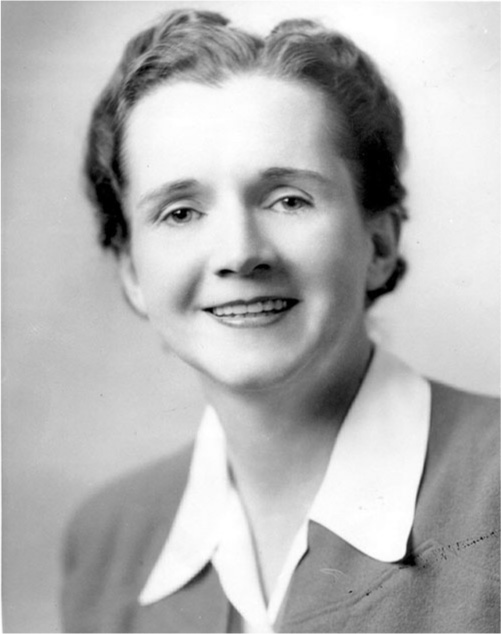
In 1962, Rachel Carson published her bestselling book Silent Spring, which railed against the proliferation of dangerous pesticides like DDT (Figure 15.9). Carson drew connections between the political power of the chemical industry and the many adverse effects of chemicals that made their way into food supplies and human bodies. Though strongly condemned by large chemical companies, the book was undeniably influential. It was a finalist for the National Book Awards for nonfiction, and its ideas inspired a generation of young activists. In 1972, the use of DDT in U.S. agriculture was banned.
英語のヒント
1962年、レイチェル・カーソンはベストセラー『沈黙の春』を出版し、DDTなど危険な農薬の広がりを激しく批判した(図15.9)。化学産業の政治力と、食料供給や人体に入り込む化学物質の多くの悪影響を結びつけた。大手化学企業は強く非難したが、本の影響力は否定できなかった。全米図書賞ノンフィクション部門の最終候補となり、その考えは若い活動家の一世代を動かした。1972年、アメリカの農業でのDDT使用は禁止された。
Rachel Carson.レイチェル・カーソン。
(credit: “Rachel Carson, author of Silent Spring. Official photo as FWS employee. c. 1940” by USFWS National Digital Library/Wikimedia Commons, CC0 1.0) · CC0 1.0
Figure 15.9 Before writing Silent Spring, Rachel Carson spent years working as a biologist for the U.S. Bureau of Fisheries. After the publication of her book she was inducted into the American Academy of Arts and Letters and posthumously received the Presidential Medal of Freedom. (credit: “Rachel Carson, author of Silent Spring. Official photo as FWS employee. c. 1940” by USFWS National Digital Library/Wikimedia Commons, CC0 1.0)
図15.9 『沈黙の春』を書く前、レイチェル・カーソンはアメリカ水産局の生物学者として長年働いた。出版後、アメリカ芸術文学アカデミーの会員となり、死後に大統領自由勲章を受けた。(出典:USFWS National Digital Library/ウィキメディア・コモンズの「Rachel Carson, author of Silent Spring. Official photo as FWS employee. c. 1940」、CC0 1.0)
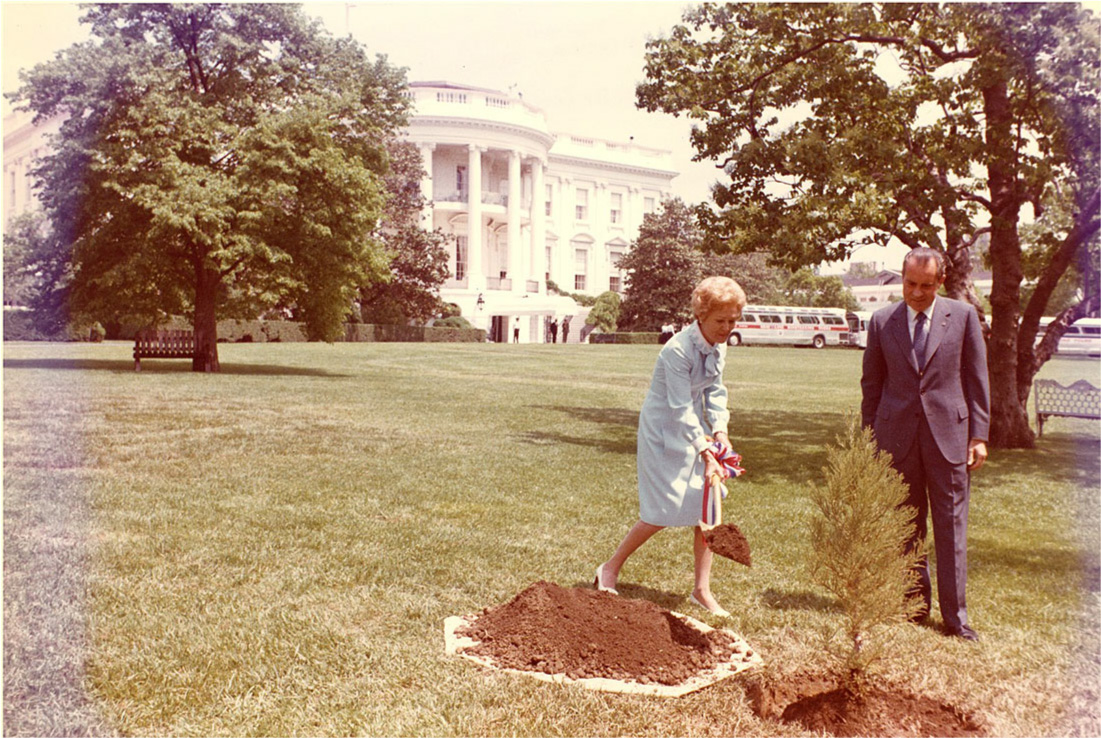
Carson’s book tapped into the growing anxiety of many who felt the economic growth from which they benefited was environmentally unsustainable. These fears were confirmed by a series of ecological disasters that galvanized public attention. They included the 1958 Niger Delta oil spill in Nigeria, the 1962 start of the Centralia mine fire in Pennsylvania (which is still burning), the 1967 Torrey Canyon oil spill in the United Kingdom, the 1969 Cuyahoga River fire in Ohio, and the 1969 Santa Barbara oil spill. By the 1970s, environmental concerns had translated into political action. In April 1970, approximately twenty million people in the United States participated in the world’s first Earth Day celebration, a grassroots movement intended to raise public awareness about the environment (Figure 15.10).
英語のヒント
カーソンの本は、自分たちが恩恵を受ける経済成長は環境面で持続できないと感じる人々の、増大する不安を捉えた。一連の生態系災害がその恐れを裏づけ、世間の注目を喚起した。1958年のナイジェリアのニジェール・デルタ油流出、1962年に始まり今も燃え続けるペンシルヴェニア州セントラリア炭鉱火災、1967年のイギリスのトリー・キャニオン号油流出、1969年のオハイオ州カヤホガ川火災、同年のサンタバーバラ油流出などである。1970年代までに環境への関心は政治行動へ変わった。1970年4月、アメリカでは約2000万人が、環境への意識向上を目指す草の根運動である世界初のアースデイに参加した(図15.10)。
Earth Day 1970.1970年のアースデイ。
(credit: “President and Mrs. Richard Nixon plant a tree on the White House South Lawn to recognize the first Earth Day. WHPO C6311-11a” by Executive Office of the President of the United States/Wikimedia Commons, Public Domain) · Public Domain
Figure 15.10 The first Earth Day celebrations even encouraged President Richard Nixon, with First Lady Pat Nixon, to contribute by planting a tree on the White House lawn. (credit: “President and Mrs. Richard Nixon plant a tree on the White House South Lawn to recognize the first Earth Day. WHPO C6311-11a” by Executive Office of the President of the United States/Wikimedia Commons, Public Domain)
図15.10 初めてのアースデイはリチャード・ニクソン大統領も動かし、パット夫人とともにホワイトハウスの芝生に木を植えて参加した。(出典:アメリカ合衆国大統領府/ウィキメディア・コモンズの「President and Mrs. Richard Nixon plant a tree on the White House South Lawn to recognize the first Earth Day. WHPO C6311-11a」、パブリックドメイン)
In 1972, scientist Donella Meadows and others from the Massachusetts Institute of Technology published a report called The Limits to Growth, which used computer models to predict that humanity would soon reach absolute limits on its use of resources, with disastrous consequences. The report had been commissioned by the Club of Rome, a nonprofit group of scientists, economists, and other intellectuals founded in 1968 to address global problems like pollution and environmental degradation. The Limits to Growth circulated widely and reinforced public concerns about a widespread environmental crisis on Earth.
英語のヒント
1972年、マサチューセッツ工科大学の科学者ドネラ・メドウズらは『成長の限界』という報告書を発表した。コンピュータモデルを使い、人類はまもなく資源利用の絶対的限界に達し、破滅的な結果を迎えると予測した。委託したのはローマ・クラブで、汚染や環境悪化など世界的問題に取り組むため、科学者、経済学者、その他の知識人が1968年に設立した非営利団体だった。『成長の限界』は広く読まれ、地球全体の環境危機への不安を強めた。
Over the next decade, green parties, political parties organized around environmental concerns, proliferated in countries around Europe, proving popular with the young and highly educated. Some green party founders, such as Petra Kelly of the German Green Party, had studied in the United States and were influenced by its environmental movement. By the 1990s, there were green parties in almost every country in Europe and also in the United States, Canada, Argentina, Chile, Australia, and New Zealand.
英語のヒント
その後10年間、環境問題を中心に組織された政党である緑の党がヨーロッパ各国に増え、若者や高学歴層に人気を得た。ドイツ緑の党のペトラ・ケリーのように、創設者の一部はアメリカに留学し、同国の環境運動の影響を受けていた。1990年代までには、ヨーロッパのほぼすべての国に加え、アメリカ、カナダ、アルゼンチン、チリ、オーストラリア、ニュージーランドにも緑の党があった。
One of the factors motivating green parties in Europe was growing concern about nuclear technology. Following the 1951 creation of the first nuclear reactor for producing energy, nuclear power plants became common in the United States, Europe, and the Soviet Union. Once hailed as a cleaner alternative to polluting coal-burning power, nuclear energy began to stall as environmentally conscious populations around the world voiced concerns about its potential dangers. News of the partial meltdown of the Three Mile Island nuclear reactor in Pennsylvania in 1979 gave new vigor to the already strong antinuclear movement.
英語のヒント
ヨーロッパの緑の党を動かした要因の一つは、原子力技術への懸念の高まりだった。1951年にエネルギー生産用の最初の原子炉が作られた後、原発はアメリカ、ヨーロッパ、ソ連で一般的になった。かつて汚染を生む石炭火力より清潔な代替手段として歓迎された原子力は、世界の環境意識の高い人々が潜在的危険への懸念を表明するにつれ、発展が停滞し始めた。1979年、ペンシルヴェニア州スリーマイル島原発の部分的炉心溶融の報道は、すでに強かった反原発運動へ新しい活力を与えた。
Still considered the worst nuclear accident in U.S. history, the Three Mile Island disaster released radioactive gases through the plant and into the surrounding area. After news of it reached the public, more than 100,000 residents fled the area. Despite President Jimmy Carter’s efforts to calm the public, the event shattered the country’s belief that such plants could be operated safely. Just a few years later, in 1986, an accident at the Chernobyl nuclear power plant in Ukraine, which was then part of the Soviet Union, resulted in the single largest uncontrolled radioactive release ever recorded. Although the Soviet Union reported that only thirty-one people died as a direct result of the accident, more than 200,000 had to be resettled in the wake of the disaster, and in 2005 the United Nations estimated that another four thousand could still die as a result of exposure to radiation released in Chernobyl. The area around Chernobyl was declared off limits, and the Soviet Union suffered irreparable harm to its reputation as a competent and technologically advanced superpower.
英語のヒント
今もアメリカ史上最悪の原発事故とされるスリーマイル島の惨事は、施設内から周辺へ放射性ガスを放出した。報道が広まると、10万人以上の住民が地域を離れた。ジミー・カーター大統領が国民を落ち着かせようとしたにもかかわらず、原発を安全に運転できるという信頼は砕かれた。数年後の1986年、当時ソ連の一部だったウクライナのチェルノブイリ原発で事故が起こり、記録上最大の制御不能な放射性物質放出を生んだ。ソ連は事故の直接の死者を31人と報告したが、20万人以上が移住を余儀なくされた。2005年、国連は放射線被曝によってさらに4000人が将来死亡する可能性があると推計した。周辺地域は立入禁止となり、ソ連は有能で技術の進んだ超大国としての評判に回復不能な損害を受けた。
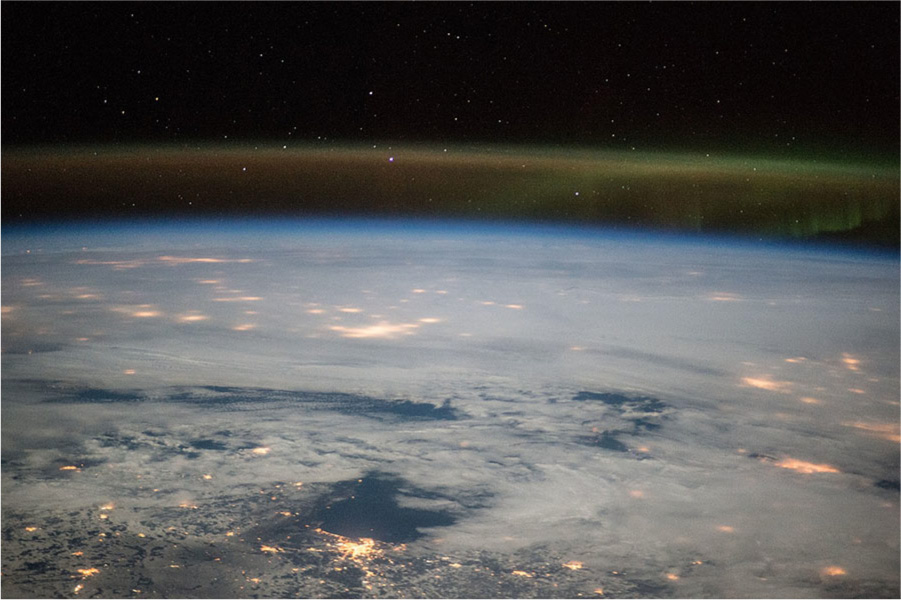
It was also in the 1980s that scientists first detected the existence of an “ozone hole” over Antarctica. The ozone layer is a portion of the Earth’s upper atmosphere with especially high concentrations of ozone molecules (Figure 15.12). It serves to block much of the potentially harmful solar radiation the Earth naturally receives from the sun and thus is essential for life on this planet as we know it. The news that this layer had a hole—an area severely depleted by the use of manufactured chemicals in common consumer items like aerosols, refrigerants, and food packaging—startled the public. Some environmentalists predicted an apocalyptic near-future in which billions would die of skin cancer caused by the sun, and the Earth’s surface would become unlivable.
英語のヒント
科学者が南極上空の「オゾンホール」の存在を初めて検出したのも1980年代だった。オゾン層は地球の上層大気のうち、オゾン分子の濃度が特に高い部分である(図15.12)。地球が太陽から自然に受ける、有害になりうる放射線の多くを遮り、私たちが知る地球上の生命に不可欠である。この層に穴、つまりエアゾール、冷媒、食品包装など一般的な消費財に含まれる人工化学物質の使用で著しく薄くなった領域があるという知らせは、人々を驚かせた。一部の環境保護主義者は、数十億人が太陽による皮膚がんで死亡し、地表が住めなくなる、破局的な近未来を予測した。
Earth’s Ozone Layer.地球のオゾン層。
(credit: “View of Earth taken during ISS Expedition 42” by NASA/Wikimedia Commons, Public Domain) · Public Domain
Figure 15.12 The Earth’s protective ozone layer is visible as a hazy blue film hanging in the planet’s atmosphere in this 2015 photograph from the National Aeronautics and Space Administration. (credit: “View of Earth taken during ISS Expedition 42” by NASA/Wikimedia Commons, Public Domain)
図15.12 アメリカ航空宇宙局による2015年の写真では、地球を守るオゾン層が、大気にかかる霞んだ青い膜として見える。(出典:NASA/ウィキメディア・コモンズの「View of Earth taken during ISS Expedition 42」、パブリックドメイン)
In the 1980s and early 1990s, people also became concerned about the plight of the environmentally invaluable Amazon rainforest. The movement known as Save the Rainforest brought professional environmentalists and concerned citizens together to raise awareness about deforestation. Brazil’s extensive rainforests had been under threat since the 1960s, when cattle ranchers and others began clearing thousands of acres of pristine forest. Until the 1980s, few people had paid much attention. But concerns rose in wealthy countries about the harm done by major beef producers and other multinational corporations to the people and resources in developing countries, including by eliminating the “lungs of the planet” (trees that produce oxygen and absorb the carbon dioxide created by industrial processes), and more people began to take notice.
英語のヒント
1980年代と1990年代初め、人々は環境上かけがえのないアマゾン熱帯雨林の窮状にも関心を持つようになった。「熱帯雨林を救え」と呼ばれる運動は、専門の環境保護活動家と関心ある市民を集め、森林破壊への認識を高めた。ブラジルの広大な熱帯雨林は、1960年代に牧畜業者らが何千エーカーもの手つかずの森を伐採し始めて以来、脅威にさらされていた。1980年代まで、関心を払う人は少なかった。しかし豊かな国々では、大手牛肉生産者や他の多国籍企業が途上国の人々と資源を害しているとの懸念が増した。工業活動の二酸化炭素を吸収して酸素を作る木々という「地球の肺」を失わせることもその一つであり、注目する人々が増えた。
Environmentalists stressed the rainforest’s unique biodiversity and warned of the consequences of destroying the sole source of potentially world-changing drugs and species of animals found nowhere else on earth. Anthropologists and Indigenous activists spoke of the effect on Indigenous peoples who lived and hunted in the rainforest and were threatened with loss of both home and livelihood. These warnings merged with developed countries’ anxieties about overconsumption and living beyond their means. The result was the Save the Rainforest campaign. By 1991, the effort had borne fruit, and deforestation in the Amazon had declined to one of the lowest recorded rates. Between 2005 and 2010, Brazil managed to reduce the destruction, but millions of hectares are still being cleared each year.
英語のヒント
環境保護主義者は熱帯雨林の独特の生物多様性を強調し、世界を変えうる薬や、地球の他の場所にはいない動物種の唯一の供給源を壊す結果について警告した。人類学者や先住民の活動家は、森で暮らし狩りをする先住民が、住まいと生計の両方を失いかねない影響を語った。こうした警告は、先進国の過剰消費や身の丈を超えた生活への不安と合わさり、「熱帯雨林を救え」運動となった。1991年までには成果をあげ、アマゾンの森林破壊率は記録上でも低い水準の一つに下がった。2005〜2010年にもブラジルは破壊を減らすことに成功したが、今も毎年数百万ヘクタールが伐採されている。
It was also during the late 1980s that much of the world was first introduced to the concept of global warming, the general rise in Earth’s temperature that scientists have observed over approximately the last two hundred years. The consensus is that this warming is the result of a steady increase in fossil-fuel burning since the start of the Industrial Revolution. The process has contributed to a rise in greenhouse gas levels, which trap yet more heat within the Earth’s atmosphere. Global warming is just one aspect of climate change, a broader phenomenon that includes changes in temperature, weather, storm activity, wind patterns, sea levels, and other influences on the planet.
英語のヒント
世界の多くの人々が初めて地球温暖化という概念を知ったのも、1980年代後半だった。これは、科学者が過去およそ200年間に観測した地球の気温全般の上昇をいう。この温暖化は産業革命以来の化石燃料燃焼の継続的な増加による、という点で見解は一致している。その過程は温室効果ガス濃度を高め、大気内にさらに多くの熱を閉じ込める。地球温暖化は気候変動の一側面にすぎない。気候変動は、気温、天候、嵐の活動、風のパターン、海面水位など、地球への影響の変化を含む、より広い現象である。
Both global warming and climate change present enormous challenges for the future. Rising sea levels may make some large coastal cities around the world unlivable. Stronger storms, floods, and more intense heat can make life unbearable in entire regions. Extreme weather events like hurricanes, heat waves, and forest fires caused by drought and high temperatures may kill and injure thousands and cause billions of dollars in property losses. Hotter, wetter conditions may encourage the breeding of insects that spread infectious diseases like malaria and West Nile virus. These changes in turn will likely lead to worldwide problems. The World Bank estimates that more than 200 million people could become climate refugees, people forced to flee their homes to find livable climates in other areas, over the next few decades.
英語のヒント
地球温暖化と気候変動はいずれも将来に巨大な課題を突きつける。海面上昇は世界の沿岸大都市の一部を居住不能にするかもしれない。強まる嵐、洪水、猛暑は、地域全体で生活を耐え難くしうる。ハリケーン、熱波、干ばつと高温による森林火災などの異常気象は、数千人を死傷させ、数十億ドルの財産被害を生む可能性がある。高温多湿の条件は、マラリアやウエストナイルウイルスのような感染症を広げる昆虫の繁殖を促すかもしれない。これらの変化はさらに世界的問題につながる可能性が高い。世界銀行は、今後数十年で2億人以上が、住める気候を他地域に求めて家を離れることを強いられる気候難民になる可能性があると推計する。