第15章現代世界と続く課題The Contemporary World and Ongoing Challenges
Exporting Culture文化の輸出
Besides promoting controversial ideas like privatization, MNCs, many of which are headquartered in the United States, also are responsible for exporting elements of western culture, especially popular culture. Although many people around the world enjoy such things as western fashions, movies and television shows, popular music, and fast food, other people fear that such influences harm local cultures and contribute to the Americanization (and homogenization) of the world.
英語のヒント
多国籍企業は民営化のような論争を呼ぶ考えを推進するだけでなく、多くがアメリカに本社を置き、西洋文化、特に大衆文化の要素を輸出する役割も担う。世界の多くの人々は西洋の服装、映画やテレビ番組、流行音楽、ファストフードなどを楽しむが、そうした影響が地元の文化を害し、世界のアメリカ化と均質化に寄与することを恐れる人々もいる。
Few countries have been as culturally influential as the United States, thanks to its global dominance after World War II. U.S. troops at military bases around the world were often the first to expose their hosts in Europe and Asia to American traditions, sports, and norms. Consumers around the world purchased a wide range of “Made in USA” products, including Coca-Cola, Levi’s jeans, and Hollywood movies, which, along with American music, helped to spread the American dialect of the English language.
英語のヒント
第二次世界大戦後の世界的な優位を背景に、アメリカほど文化的影響力を持つ国は少なかった。世界各地の軍事基地の米兵は、ヨーロッパやアジアの受け入れ先へ、アメリカの伝統、スポーツ、規範を最初に紹介する存在であることが多かった。世界の消費者は、コカ・コーラ、リーバイスのジーンズ、ハリウッド映画など多様な「アメリカ製」製品を買った。それらはアメリカ音楽とともに、アメリカ英語の広がりを助けた。
Some early Americanization efforts were intentional, such as in Germany and Japan where the goal was to lay a foundation for U.S.-style democracy by projecting ideas like freedom and affluence via popular culture. These ideas were also attractive in South Korea and South Vietnam. Typically, young people patronized fast-food restaurants like McDonald’s and Pizza Hut, purchased blue jeans and T-shirts, watched American television shows, and sought out recordings of the latest popular music.
英語のヒント
初期のアメリカ化の取り組みには、意図的なものもあった。ドイツや日本では、大衆文化を通じて自由や豊かさの考えを伝え、アメリカ型民主主義の基礎を築くことが目的だった。これらの考えは韓国や南ベトナムでも魅力的だった。典型的には、若者はマクドナルドやピザハットなどの店へ通い、ジーンズやTシャツを買い、アメリカのテレビ番組を見て、最新の流行音楽のレコードを探した。
The popularity of American culture led many countries to fear the loss of their own unique cultural characteristics and the weakening of their domestic industries. Brazil, Greece, Spain, South Korea, and others imposed screen quotas, limiting the hours theaters could show foreign movies. In 1993, France forced the nation’s radio stations to allocate 40 percent of their airtime to exclusively French music.
英語のヒント
アメリカ文化の人気は、多くの国に自国独自の文化的特徴の喪失と、国内産業の弱体化を恐れさせた。ブラジル、ギリシア、スペイン、韓国などはスクリーン・クォータを導入し、映画館が外国映画を上映できる時間を制限した。1993年、フランスはラジオ局に放送時間の40%をフランス音楽のみに充てるよう義務づけた。
Hollywood movies and American recording artists are still major players, but in the twenty-first century, diversity has returned to the global stage. Japanese anime and manga have become global phenomena. South Korean K-pop bands like BTS, iKon, and Got7 have gained audiences in the United States, Europe, and across Asia (Figure 15.7). In 2021, the Korean-made serial thriller Squid Game became the most-watched Netflix show of all time. Korean television dramas are also very popular in Southeast Asian countries like the Philippines. Korean popular culture borrows American cultural styles but invigorates them with distinctly Korean elements. For example, K-pop, with its large groups and flashy choreographed dancing, was clearly influenced by hip-hop. K-pop itself is thus a potent reminder that globalization is often the product of cultural sharing rather than a one-directional flow of cultural norms.
英語のヒント
ハリウッド映画とアメリカの音楽家は今も有力だが、21世紀には世界の舞台に多様性が戻った。日本のアニメやマンガは世界的な現象となった。BTS、iKon、Got7など韓国のKポップグループは、アメリカ、ヨーロッパ、アジア各地で聴衆を獲得した(図15.7)。2021年には韓国製の連続スリラー『イカゲーム』が、Netflix史上最も視聴された番組となった。韓国のテレビドラマはフィリピンなど東南アジアでも非常に人気がある。韓国の大衆文化はアメリカの文化様式を借りながら、独特の韓国的要素で活気づける。たとえば、大人数のグループと華やかに振り付けられたダンスを特徴とするKポップは、明らかにヒップホップの影響を受けた。こうしてKポップ自体が、グローバル化はしばしば文化規範の一方向の流れではなく、文化の共有の産物であることを力強く示している。
K-Pop.Kポップ。

(credit: “Korean Pop Group Brown Eyed Girls perform at MTV EXIT concert in Hanoi” by USAID Vietnam/Flickr, Public Domain) · Public Domain
Figure 15.7 K-pop groups like the award-winning Brown Eyed Girls mix Korean themes with American-style pop music and dance. (credit: “Korean Pop Group Brown Eyed Girls perform at MTV EXIT concert in Hanoi” by USAID Vietnam/Flickr, Public Domain)
図15.7 受賞歴のあるBrown Eyed GirlsのようなKポップグループは、韓国の主題とアメリカ風のポップ音楽・ダンスを混ぜ合わせる。(出典:USAID Vietnam/Flickrの「Korean Pop Group Brown Eyed Girls perform at MTV EXIT concert in Hanoi」、パブリックドメイン)
Winners and Losers in a Globalizing Worldグローバル化する世界の勝者と敗者
While it is tempting to see globalization and the rise of MNCs as generally benefiting the people of developed countries, the reality is more complex. Improvements in transportation and MNCs’ use of labor resources in countries around the world have sometimes harmed workers in developed countries like the United States. Supporters of NAFTA, for example, argued that the United States would benefit from reduced trade barriers, lower prices for agricultural goods from Mexico, and newly available jobs for lower-wage workers. Opponents, however, recognized that the groups hardest hit by transformations in the labor market would be those least able to withstand the damage, mainly working-class manufacturing workers in the United States and Canada. Both sets of predictions proved accurate.
英語のヒント
グローバル化と多国籍企業の台頭を、一般に先進国の人々に利益を与えるものと見たくなるが、現実はもっと複雑である。輸送の改善と、多国籍企業が世界の国々の労働力を利用することは、アメリカなど先進国の労働者を損なう場合があった。たとえばNAFTA支持者は、貿易障壁の低下、メキシコ農産物の値下がり、低賃金労働者の新たな雇用機会がアメリカに利益をもたらすと論じた。しかし反対者は、労働市場の変化で最も大きな打撃を受けるのは、損害に最も耐えられない人々、主として米加の労働者階級の製造業労働者だと認識した。両方の予測が正しかった。
After NAFTA was implemented in 1994, trade and development across the three participating countries surged. Trade across the U.S.-Mexico border surpassed $480 billion by 2015, an inflation-adjusted increase of 465 percent over the pre-NAFTA total. A similar, if smaller, increase occurred in U.S.-Canadian trade during the same time. In Mexico, per capita GDP grew by more than 24 percent, topping $9,500. Even more impressive growth occurred in Canada and the United States.
英語のヒント
1994年のNAFTA実施後、参加3か国間の貿易と開発は急増した。米墨国境を越える貿易は2015年までに4800億ドルを上回り、インフレ調整後でNAFTA以前より465%増えた。同じ期間の米加貿易にも、規模は小さいが同様の増加があった。メキシコでは1人当たりGDPが24%以上成長して9500ドルを超えた。カナダとアメリカでは、さらに目覚ましい成長が起きた。
But between 1993 and 2021, the United States lost nearly eighteen million manufacturing jobs when some companies found it more profitable to relocate to Mexico. Not all these job losses can be attributed to NAFTA, but many can, as manufacturing that otherwise would have taken place in the United States was moved to maquiladoras, factories in Mexico along the U.S. border that employ people for low wages. Maquiladoras often receive materials from U.S. manufacturers, transform them into finished products, and then ship them back to the United States for the manufacturers to use. After the passage of NAFTA, U.S. car manufacturers began to make use of parts produced inexpensively in Mexico that would have been much more expensive had they been produced in the United States. For example, in 2015, Brake Parts Inc. moved its operations from California to Nuevo Laredo, Mexico, and almost three hundred U.S. workers lost their jobs in the process. Workers in the automobile industry, once the backbone of the U.S. industrial sector, suffered as jobs and automotive plants were relocated to Mexico. Some economists, however, argue that the use of inexpensive parts produced in maquiladoras allowed the U.S. automobile industry to survive. Jobs in the clothing industry also declined 85 percent. There were simply fewer obvious advantages to keeping such jobs in the United States.
英語のヒント
しかし1993年から2021年の間に、一部企業がメキシコ移転の方が儲かると考え、アメリカは製造業の仕事を1800万近く失った。すべてをNAFTAに帰せるわけではないが、多くはその影響だった。アメリカで行われたはずの製造が、米国境沿いのメキシコで低賃金労働者を雇うマキラドーラへ移ったからである。マキラドーラはアメリカの製造業者から材料を受け取り、完成品に加工して、製造業者が使うために送り返すことが多い。NAFTA成立後、アメリカの自動車メーカーは、国内で作ればはるかに高くなる部品を、メキシコで安く生産して使い始めた。たとえば2015年、Brake Parts Inc.はカリフォルニアからメキシコのヌエボ・ラレドへ事業を移し、約300人のアメリカ人労働者が仕事を失った。かつてアメリカ工業部門の中核だった自動車産業の労働者は、雇用と工場がメキシコに移る中で苦しんだ。しかし一部の経済学者は、マキラドーラ製の安価な部品の使用がアメリカ自動車産業を存続させたと論じる。衣料品産業の雇用も85%減少した。こうした仕事をアメリカに維持する明白な利点は、単純に少なくなっていた。
Economists say the loss of manufacturing jobs was less a result of NAFTA than of other structural economic changes in the United States, such as automation. And while many U.S. workers lost their jobs as a result of NAFTA, millions of others found work in industries that produced goods for sale in Mexico. Nevertheless, the impression that NAFTA and globalization have brought poverty and misery to the working class in the United States remains strong and has influenced the nation’s politics since the 1990s. Responding to these beliefs, in 2017, President Donald Trump instigated a renegotiation of NAFTA, creating the United States-Mexico-Canada Agreement (USMCA). The USMCA included strong property rights protections, compelled Canada to open its dairy market more broadly, and required that workers in the automotive sector in all three countries be paid competitive wages. The agreement replaced NAFTA and went into effect in 2020.
英語のヒント
経済学者は、製造業雇用の喪失はNAFTAよりも、自動化などアメリカ国内の他の構造的な経済変化の結果だと述べる。またNAFTAで多くの労働者が職を失った一方、何百万人もの人がメキシコ向けの商品を生産する産業で仕事を得た。それでもNAFTAとグローバル化が労働者階級に貧困と悲惨をもたらしたという印象は強く、1990年代以降の政治に影響してきた。その考えに応じ、2017年にドナルド・トランプ大統領はNAFTAの再交渉を始め、米国・メキシコ・カナダ協定(USMCA)を作った。同協定は強い財産権保護を含み、カナダに乳製品市場のさらなる開放を強制し、3か国すべての自動車部門の労働者に競争力のある賃金を払うことを求めた。NAFTAに代わり、2020年に発効した。
The complaints that arose during the NAFTA debates had been voiced for decades. Since the 1970s, many in the United States had argued that globalization allowed Japan, its enemy during World War II, to race ahead and outcompete domestic manufacturers. By the 1980s, Japan was exporting a huge volume of consumer electronics and automobiles into the U.S. market. Its economic resurgence created a massive trade deficit (the difference in value between what a country imports and what it exports) in the United States and rising concerns about its global competitiveness.
英語のヒント
NAFTA論争で現れた不満は、何十年も前から語られていた。1970年代以降、アメリカでは、グローバル化が第二次世界大戦の敵だった日本を躍進させ、国内メーカーを競争で負かせているという主張が多かった。1980年代までに日本は大量の家電や自動車を米市場へ輸出していた。その経済復活は、アメリカに巨大な貿易赤字、すなわち輸入額と輸出額の差を生み、国際競争力への懸念を高めた。
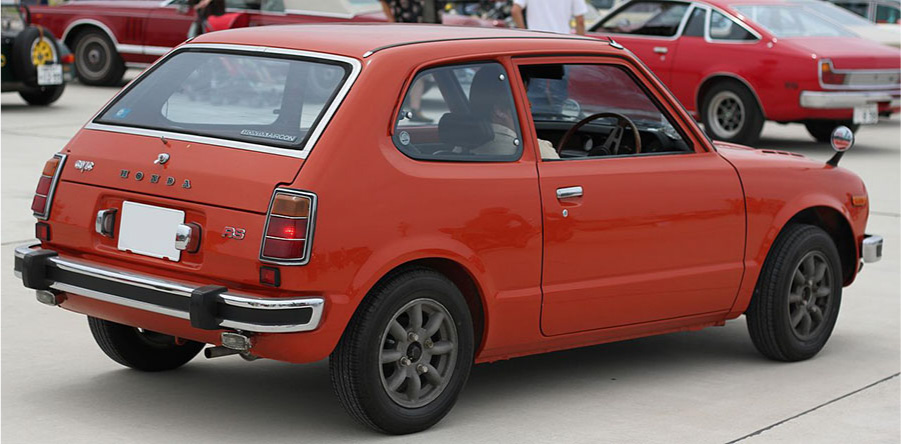
Political figures like Walter Mondale, the 1984 Democratic Party nominee for president, called the trade deficit a threat to the United States and spoke in dire terms about an emerging global trade war. Many others drew connections between Japan’s economic rise and growing unemployment in the United States. Auto workers were especially vocal, declaring that Japan was using unfair practices and artificially limiting the number of American cars that could be sold in Japan (Figure 15.8). While the reality was more complicated, politicians were primed to respond with tough talk and reforms. In 1981, President Reagan pressured Japan to limit the number of cars it exported to the United States. The United States also made efforts to limit the importation of foreign steel and semiconductors for the same reasons.
英語のヒント
1984年の民主党大統領候補ウォルター・モンデールらの政治家は、貿易赤字をアメリカへの脅威と呼び、迫る世界貿易戦争について深刻な言葉で語った。他にも多くの人々が、日本の経済台頭とアメリカの失業増加を結びつけた。自動車労働者は特に声高で、日本は不公正な慣行を用い、日本で売れるアメリカ車の台数を人為的に制限していると訴えた(図15.8)。現実はさらに複雑だったが、政治家は強硬発言と改革で応じる態勢にあった。1981年、レーガン大統領は日本に対し、対米自動車輸出台数を制限するよう圧力をかけた。アメリカは同じ理由で外国製の鉄鋼や半導体の輸入も制限しようとした。
Made in Japan.日本製。
(credit: “Honda Civic RS rear” by “TTTNIS”/Wikimedia Commons, CC0 1.0) · CC0 1.0
Figure 15.8 Small, fuel-efficient Japanese cars like this 1970s-era Honda Civic grew increasingly popular in the United States during the 1970s and 1980s, prompting American automotive workers to complain that Japanese car companies were using unfair trade practices. (credit: “Honda Civic RS rear” by “TTTNIS”/Wikimedia Commons, CC0 1.0)
図15.8 この1970年代のホンダ・シビックのような、小型で燃費のよい日本車は、1970〜1980年代にアメリカで人気を高めた。そのためアメリカの自動車労働者は、日本の自動車会社が不公正な貿易慣行を使っていると不満を述べた。(出典:「TTTNIS」/ウィキメディア・コモンズの「Honda Civic RS rear」、CC0 1.0)
By the start of the 1990s, Japan’s economic engine was starting to cool, and so were American concerns about Japanese dominance. However, companies in the developed world faced challenges rooted in the high cost of living and resulting high wages they had to pay to their employees. Globalization offered a solution in the form of outsourcing and offshoring. Outsourcing occurs when a company hires an outside firm, sometimes abroad, to perform tasks it used to perform internally, like accounting, payroll, human resources, and data processing services. Offshoring occurs when a company continues to conduct its own operations but physically moves them overseas to access cheaper labor markets. Outsourcing and offshoring were hardly new in the 1990s. But with globalization, trade agreements like NAFTA, and the ability to ship goods around the world, they became a major cost-savings option for large companies. Trade agreements like NAFTA made it possible to build plants in Mexico and still sell the products they produced in the United States. Companies could also offshore some of their operations to countries in Asia where labor was much cheaper.
英語のヒント
1990年代初めには日本の経済エンジンは減速し始め、アメリカの日本の優位への懸念も弱まった。しかし先進国企業は、高い生活費と、それに伴い従業員へ払わなければならない高賃金の問題に直面していた。グローバル化はアウトソーシングとオフショアリングという解決策をもたらした。アウトソーシングとは、会計、給与計算、人事、データ処理など従来自社で行った仕事を、時には海外の外部企業に委託することだ。オフショアリングは、自社運営を続けながら、安い労働市場を利用するため拠点を海外へ物理的に移すことである。どちらも1990年代に新しく生まれたものではない。しかしグローバル化、NAFTAのような貿易協定、世界各地への輸送能力によって、大企業の主要な費用削減手段となった。NAFTAなどの協定は、メキシコに工場を建て、製品をアメリカで売ることを可能にした。企業は労働力がずっと安いアジアの国々へ業務の一部を移すこともできた。
Those hired overseas experienced their own problems, however, because outsourcing often led to the rise of sweatshops, factories where poorly paid workers labor in dangerous environments. Images of women and children in horrific working conditions in Central America, India, and Southeast Asia circulated around the developed world in the 1990s as examples of the consequences of outsourcing. Major MNCs like Nike, Gap, Forever 21, Walmart, Victoria’s Secret, and others have been harshly criticized for using sweatshops to produce their shoes and clothing lines. In 2013, the plight of sweatshop workers gained widespread attention when a building called Rana Plaza, a large complex of garment factories in Bangladesh, collapsed, killing 1,134 and injuring another 2,500 of the low-wage workers who made clothing for luxury brands like Gucci, Versace, and Moncler. The disaster led to a massive protest in Bangladesh demanding better wages and reforms. In the aftermath, studies and inspections of similar factories revealed that almost none had adequate safety infrastructure in place.
英語のヒント
しかし海外で雇われた人々も独自の問題に直面した。外部委託は、低賃金の労働者が危険な環境で働くスウェットショップを生むことが多かったからだ。1990年代、中央アメリカ、インド、東南アジアで女性や子どもが悲惨な条件で働く画像が、外部委託の結果を示す例として先進国に広まった。ナイキ、ギャップ、フォーエバー21、ウォルマート、ヴィクトリアズ・シークレットなど大手多国籍企業は、靴や衣料の製造にスウェットショップを使うとして厳しく批判されてきた。2013年、バングラデシュの大規模な縫製工場複合施設ラナ・プラザが崩壊し、労働者の窮状が広く注目された。グッチ、ヴェルサーチ、モンクレールなどの高級ブランド向け衣料を作る低賃金労働者1134人が死亡し、さらに2500人が負傷した。惨事は同国で賃上げと改革を求める大規模抗議を引き起こした。その後の類似工場の調査・検査では、適切な安全設備がほぼどこにもないことが明らかになった。
The multinational technology company Apple Inc. has faced intense criticism in recent years for its use of foreign-owned sweatshops in Asia. Since the early 2000s, reports of sprawling factories with hundreds of thousands of workers assembling iPhones have made the news and led to a public-relations nightmare for the company. Investigative journalists have revealed that workers suffer a pattern of harsh and humiliating punishments, fines, physical assaults, and withheld wages. In some instances, conditions in the factories have pushed assembly-line workers to commit suicide rather than continue. Apple has insisted it takes all such accusations seriously and has tried to end relationships with such assembly plants, but those familiar with the problems have complained that little progress has been made.
英語のヒント
多国籍テクノロジー企業アップルは近年、アジアの外国企業所有のスウェットショップを利用することに強い批判を受けてきた。2000年代初めから、何十万人もの労働者がiPhoneを組み立てる巨大工場の報道が現れ、同社に広報上の悪夢をもたらした。調査報道は、労働者が厳しく屈辱的な罰、罰金、身体的暴行、賃金不払いを繰り返し受けていると明らかにした。工場の条件が、組立ラインの労働者に働き続けるより自殺を選ばせた例もあった。アップルは告発をすべて真剣に受け止めると主張し、そのような工場との関係を断とうとしてきた。しかし問題をよく知る人々は、ほとんど進展がないと訴えている。
Even when MNCs commit to providing a safe working environment and fair wages abroad, the practice of subcontracting often makes this impossible to guarantee. Foreign companies to whom multinationals send work often distribute it among a number of smaller companies that may also subcontract it, in turn. It is sometimes difficult for MNCs to know exactly where their goods are actually produced and thus to enforce rules about wages and working conditions.
英語のヒント
多国籍企業が海外で安全な職場と公正な賃金を約束しても、下請け慣行によって保証できないことが多い。仕事を受ける外国企業は、それを複数の小企業に分配し、小企業もさらに下請けへ回すことがある。多国籍企業が自社製品の実際の製造場所を正確に把握し、賃金や労働条件の規則を徹底するのは難しい場合がある。
Multinationals have harmed the countries in which they operate in other ways as well, including deforestation and the depletion of clean, drinkable water. They are also major producers of greenhouse gases and responsible for air pollution and the dumping of toxic waste. MNCs leave little in the way of profit in the countries they exploit, so funds are often lacking to repair or mitigate the damage they do.
英語のヒント
多国籍企業は、森林破壊や清潔な飲料水の枯渇など、別の形でも進出国を害してきた。温室効果ガスの主要な排出者でもあり、大気汚染や有毒廃棄物の投棄に責任がある。搾取する国に利益をほとんど残さないため、自らが与えた損害を修復・軽減する資金が不足しがちである。