第5章大西洋世界の形成Foundations of the Atlantic World
The Catholic Reformation and the Wars of Religionカトリックの改革と宗教戦争
The leaders of the Catholic Church did not sit idly by as its members deserted it for new faiths. The Catholic Reformation, also called the Counter-Reformation, was the Catholic Church’s effort to address Luther’s challenges as well as to effect other necessary reforms. One means to do so was the 1545 Council of Trent. There, Europe’s bishops and other clerics affirmed that both good works and faith were required for salvation and that both scripture (as interpreted by the church) and tradition were acceptable sources of authority. The council also affirmed the doctrine of transubstantiation. Aware of very real problems within the church, the council undertook a series of reforms as well. Indulgences were retained, but their sale was forbidden. The council prohibited church officials from appointing relatives to church offices, limited bishops to holding office in only one bishopric, and took steps to improve the education of Catholic clergy and curb their luxurious habits.
英語のヒント
カトリック教会の指導者たちは、信徒が新たな信仰へ移っていくのを、手をこまぬいて見ていたわけではない。対抗宗教改革とも呼ばれるカトリックの改革は、ルターの挑戦に応えるとともに、他の必要な改革も実行するための教会の取り組みだった。その手段の一つが1545年のトリエント公会議である。そこでは、ヨーロッパの司教や他の聖職者が、救済には善行と信仰の双方が必要であり、教会が解釈する聖書と伝統の両方が、権威の源として認められると確認した。公会議は全実体変化の教義も確認した。教会内に現実の問題があると認識し、一連の改革にも取り組んだ。贖宥は維持されたが、その販売は禁止された。親族を聖職に任命することを教会の役職者に禁じ、司教が職を持てるのは一つの司教区だけに制限した。また、カトリック聖職者の教育を改善し、贅沢な生活習慣を抑える措置も講じた。
Another aspect of the Catholic Reformation was the creation of new religious orders. Founded by the Spanish noble Ignatius of Loyola, the Society of Jesus, also known as the Jesuits, assumed a number of tasks, chiefly the education of young Catholic men. They also undertook responsibility for the conversion of non-Christians to Roman Catholicism and for acting as advisers to the Catholic rulers of Europe. Unlike other religious orders, the Jesuits did not have a female branch. Instead, the Ursuline order of nuns, founded a few years before, undertook the education of young women.
英語のヒント
カトリック改革のもう一つの側面は、新しい修道会の創設だった。スペインの貴族イグナティウス・デ・ロヨラが創設したイエズス会は、多数の任務を引き受け、特に若いカトリック男性の教育を担った。非キリスト教徒をローマ・カトリックへ改宗させることや、ヨーロッパのカトリック支配者の顧問を務めることも責任として担った。他の修道会と異なり、イエズス会には女性部門がなかった。その代わり、数年前に創設された女子修道会ウルスラ会が、若い女性の教育を担当した。
Although the Catholic Reformation undoubtedly prevented the defection of many Catholics to Protestant churches, the new churches continued to gain adherents in many parts of Europe. At times, this was a peaceful process. At other times, wars erupted as devout Catholics did battle with equally devout Protestants to protect what both sides believed was the only true expression of Christian faith.
英語のヒント
カトリック改革は、確かに多くのカトリック信徒がプロテスタントの教会へ移るのを防いだ。しかし、新しい教会はヨーロッパの多くの地域で信奉者を獲得し続けた。それが平和的に進むときもあった。別のときには、敬虔なカトリック教徒と、同じほど敬虔なプロテスタントが、それぞれ唯一の真実なキリスト教信仰の表れだと信じるものを守るために戦い、戦争が勃発した。
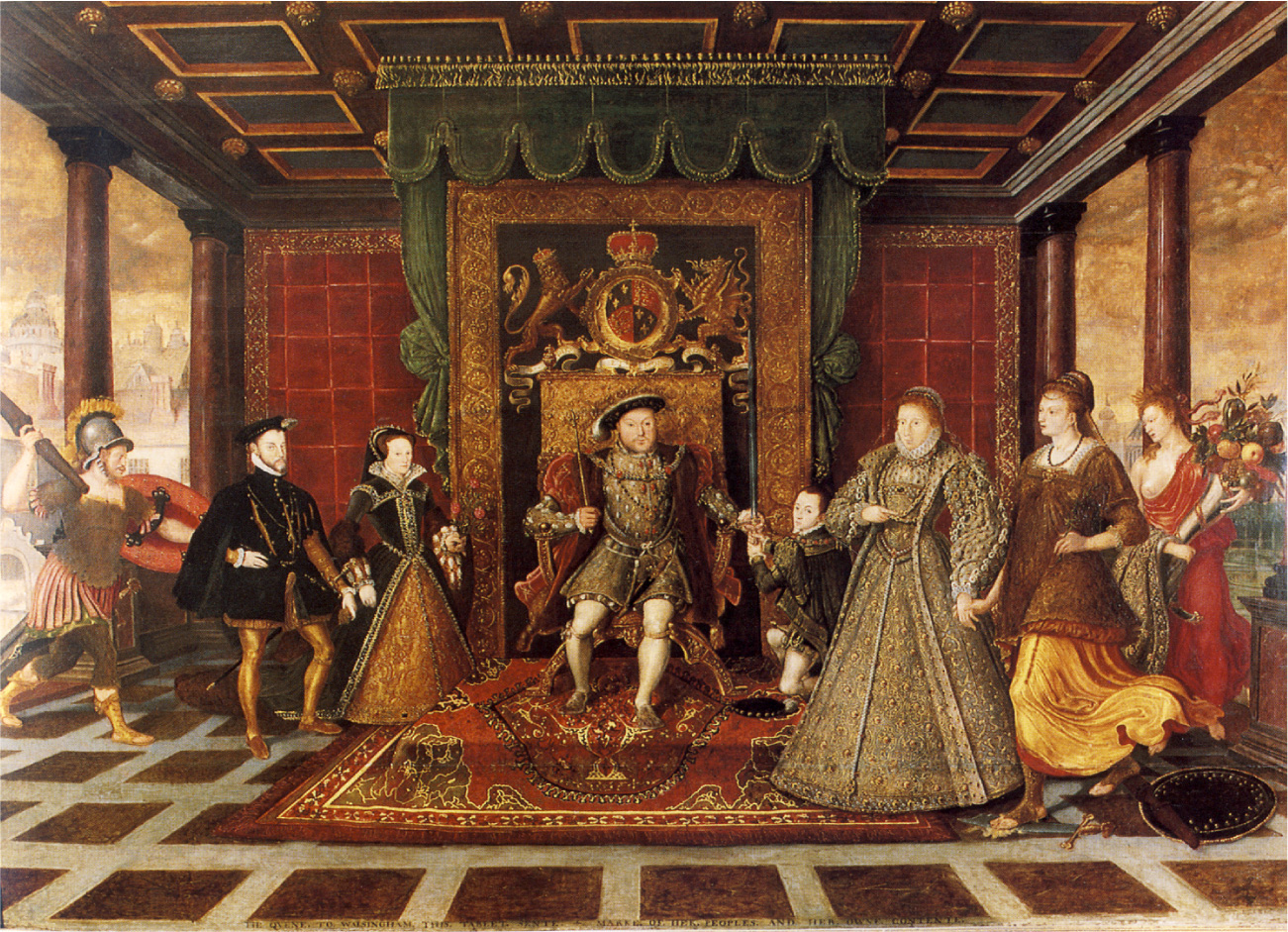
The transition from Catholicism to Protestantism in England was more peaceful than elsewhere. While Henry VIII’s Catholic daughter Mary I, the child of Catherine of Aragon, occupied the throne following her brother Edward’s death, Protestants were persecuted, and hundreds were executed as the queen tried to restore England to the Catholic Church. Mary died in 1558 before she could achieve this, however. Her younger half-sister, Elizabeth I, wished to govern an orderly, stable country, and while late in her reign she did persecute Catholics she felt posed a threat to her Protestant rule, she adopted a relatively moderate approach to religion during her early years on the throne (Figure 5.5).
英語のヒント
イングランドにおけるカトリックからプロテスタントへの移行は、他の地域より平和的だった。ヘンリ8世とキャサリン・オブ・アラゴンの娘でカトリックのメアリ1世が、弟エドワードの死後に即位した間は、プロテスタントが迫害された。女王がイングランドをカトリック教会に戻そうとする中で、何百人もが処刑された。しかしメアリは、それを達成する前に1558年に死去した。異母妹エリザベス1世は、秩序ある安定した国を統治することを望んだ。治世後半には、自らのプロテスタントによる統治を脅かすと考えたカトリック教徒を実際に迫害したが、即位後の初期には宗教に比較的穏健な姿勢を取った(図5.5)。
The Family of Henry VIII: An Allegory of the Tudor Succession.ヘンリ8世の家族――テューダー王朝の継承の寓意。
(credit: “The Family of Henry VIII: An Allegory of the Tudor Succession” by National Museum Cardiff/Wikimedia Commons, Public Domain) · Public Domain
Figure 5.5 This 4- by 6-foot painting by Lucas de Heere dates from about 1572, during Elizabeth’s reign. Elizabeth’s father Henry VIII (whose family name was Tudor) sits in the center next to his young son Edward VI, to whom he gives the sword of justice. On the left is Mary I with her husband the king of Spain, and behind them is Mars the Roman god of war. Elizabeth I herself stands on the right flanked by Peace and Plenty. (credit: “The Family of Henry VIII: An Allegory of the Tudor Succession” by National Museum Cardiff/Wikimedia Commons, Public Domain)
図5.5 ルーカス・デ・ヘーレによる縦4フィート、横6フィートのこの絵は、エリザベス治世中の1572年ごろの作品である。エリザベスの父ヘンリ8世、姓はテューダーは、中央で幼い息子エドワード6世の隣に座り、正義の剣を渡している。左側にはメアリ1世とその夫のスペイン王がいて、その後ろにはローマの軍神マルスがいる。右側にはエリザベス1世自身が、「平和」と「豊穣」に挟まれて立っている。(クレジット:カーディフ国立博物館/Wikimedia Commons「ヘンリ8世の家族――テューダー王朝の継承の寓意」、パブリックドメイン)
Parliament’s 1558 Act of Supremacy once again declared the Church of England separate from the Roman Catholic Church. The following year, the Act of Uniformity of 1559 brought back the Book of Common Prayer as the only legal form of worship in England. Some concessions were made, however, to those who did not wish to abandon Catholic ritual. The condemnation of the pope contained in an earlier version of the book was removed, and the communion ritual was described in a way that avoided making a clear statement about transubstantiation. Clergy could continue to wear traditional Catholic robes and ornaments.
英語のヒント
議会の1558年国王至上法は、イングランド国教会がローマ・カトリック教会から独立していると再び宣言した。翌1559年の礼拝統一法は、『祈祷書』をイングランドで唯一の合法な礼拝形式として復活させた。しかし、カトリックの儀礼を捨てたくない人々への譲歩もいくらかなされた。以前の版にあった教皇への非難は削除され、聖餐の儀式は、全実体変化について明確な断言を避ける表現で記された。聖職者は伝統的なカトリックの衣服と装飾品を引き続き着用できた。
During Elizabeth’s reign, English Calvinists, known as Puritans, attempted unsuccessfully to move the Church of England even further from the doctrine and ritual of the Catholic Church. Many clergy in the English church were Puritans, and they objected to wearing Catholic robes during church services and making the sign of the cross during baptism. By the 1570s and 1580s, Puritans had also come to oppose the structure of the Church of England, in which the monarch was the head of the church. They believed churches should be independent and governed by groups of elected elders instead of a king or queen. Elizabeth was unwilling to change the manner in which the Church of England was governed, however. During the reign of her successor James I, Puritans who wished to separate from the Church of England (known as Separatists) began to depart England for places, including mainland Europe and North America, where they believed they would be able to establish ideal Christian communities. In the reign of Charles I, James’s son, other Puritans also began to leave.
英語のヒント
エリザベスの治世、ピューリタンと呼ばれるイングランドのカルヴァン派は、国教会をカトリックの教義と儀礼からさらに遠ざけようとしたが、成功しなかった。イングランド国教会の聖職者の多くはピューリタンであり、礼拝でカトリックの衣服を着ることや、洗礼で十字を切ることに反対した。1570〜1580年代までに、ピューリタンは、君主を教会の首長とする国教会の組織構造にも反対するようになった。教会は独立し、国王や女王ではなく、選ばれた長老の集団によって治められるべきだと信じたのである。しかしエリザベスには、国教会の統治方法を変える意思がなかった。後継者ジェームズ1世の治世、国教会からの分離を望むピューリタン、いわゆる分離派は、ヨーロッパ大陸や北アメリカなど、理想的なキリスト教共同体を築けると信じる場所へ、イングランドから移住し始めた。ジェームズの息子チャールズ1世の治世には、他のピューリタンも出国し始めた。
Outside England, the dispute over whether a kingdom should be Catholic or Protestant could be quite violent. In 1572 in France, warfare between Huguenots and Catholics culminated in the August 23 St. Bartholomew’s Day massacre, assassinations targeting prominent Huguenots who had come to Paris for a royal wedding. Peace was restored only when the Huguenot Henry IV succeeded to the throne of France, converted to Catholicism (the religion of the majority of French people), and issued the Edict of Nantes in 1598. The edict established Catholicism as the official religion of France but also granted Huguenots the right to worship as they chose.
英語のヒント
イングランドの外では、王国がカトリックであるべきかプロテスタントであるべきかをめぐる争いは、きわめて暴力的になりえた。1572年のフランスでは、ユグノーとカトリックの戦争が、8月23日のサン・バルテルミの虐殺に至った。王族の婚礼のためパリへ来ていた有力なユグノーを標的とする暗殺であった。和平が回復したのは、ユグノーのアンリ4世がフランスの王位に就き、フランス人の多数派の宗教であるカトリックに改宗し、1598年にナントの勅令を発布してからだった。この勅令はカトリックをフランスの公認宗教と定める一方、ユグノーにも自ら選ぶ形で礼拝する権利を認めた。
In the Spanish Netherlands, Philip II of Spain, son and heir of Charles V, fought against Calvinist rebels. War raged from 1568 until a truce was signed in 1609. (After Philip’s death in 1598, his son Philip III fought on after him.) Peace was restored, but the seven northern provinces established their independence from Spain as the United Provinces of the Netherlands. The Netherlands was not the only place in which Philip II, who regarded himself and Spain as defenders of Catholicism, fought to maintain the church’s supremacy. In 1588, he launched a naval attack on England with the intent of restoring it to the Catholic Church and ending its support for Protestant rebels in the Spanish Netherlands. The invasion failed. The Spanish armada was famously outmaneuvered by the smaller, faster English ships, and as the remaining vessels started for home by sailing north around Scotland and Ireland, most were destroyed by a storm.
英語のヒント
スペイン領ネーデルラントでは、カール5世の息子で後継者のスペイン王フェリペ2世が、カルヴァン派の反乱勢力と戦った。戦争は1568年から、1609年に休戦が結ばれるまで激しく続いた。(1598年のフェリペの死後は、息子フェリペ3世が戦争を引き継いだ。)和平は回復したが、北部の7州はネーデルラント連邦共和国としてスペインから独立した。自分とスペインをカトリックの擁護者と考えたフェリペ2世が、教会の優位を保つために戦ったのは、ネーデルラントだけではなかった。1588年には、イングランドをカトリック教会に戻し、スペイン領ネーデルラントのプロテスタント反乱勢力への支援をやめさせるため、イングランドに海軍攻撃を仕掛けた。侵攻は失敗した。よく知られるように、スペインの無敵艦隊は、より小さく速いイングランド艦船の巧みな動きに翻弄された。残存艦がスコットランドとアイルランドの北を回って帰国しようとすると、その大半は嵐で破壊された。
The wars of religion continued into the seventeenth century. From 1618 to 1648, the Thirty Years’ War between Catholic and Protestant states raged in the Holy Roman Empire. As German Catholics, Lutherans, and Calvinists fought one another, other European countries entered the fray. Sweden, a Lutheran land, supported the Protestant German rulers, as did the United Provinces of the Netherlands. Denmark also entered the war in the hopes of gaining German territory to offset its losses to Sweden in recent conflicts. France joined in on the side of the Protestants, primarily in an effort to become the preeminent power in Europe. Despite the multinational nature of the combatants, battles were fought almost entirely within the German lands, whose people suffered as armies of mercenaries destroyed farms and villages. In the end, the German Protestants were victorious, and France had become the dominant country in western Europe. The Peace of Westphalia, which ended the war in 1648, established the independence of each of the entities, numbering nearly one thousand, that had made up the Holy Roman Empire.
英語のヒント
宗教戦争は17世紀にも続いた。1618〜1648年、神聖ローマ帝国内では、カトリック諸邦とプロテスタント諸邦の間で三十年戦争が猛威を振るった。ドイツのカトリック、ルター派、カルヴァン派が争う中、他のヨーロッパ諸国も戦いに加わった。ルター派の国スウェーデンは、ドイツのプロテスタント諸侯を支援し、ネーデルラント連邦共和国も同様だった。デンマークも、最近の戦争でスウェーデンに失った領土を埋め合わせるため、ドイツの領土獲得を期待して参戦した。フランスは、おもにヨーロッパ最強の勢力となることを目指して、プロテスタント側に加わった。交戦勢力は多国籍だったが、戦闘はほぼ全面的にドイツ諸地域の中で行われ、その住民は、傭兵軍が農場や村を破壊する中で苦しんだ。最終的にドイツのプロテスタント側が勝利し、フランスは西ヨーロッパで最も優勢な国となった。1648年に戦争を終わらせたウェストファリアの和約は、神聖ローマ帝国を構成していた約1000の政治体それぞれの独立を定めた。