第13章ローマ後の西欧と十字軍運動The Post-Roman West and the Crusading Movement
The Fatimid Caliphate and the Seljuk Sultanateファーティマ朝カリフ国とセルジューク朝スルタン国
The Abbasids had overthrown the Umayyads with support from non-Arabs who felt cheated of the spoils of conquest, and from Shia Muslims who were opposed to the Umayyads for religious and political reasons. The Abbasids then worked to address the grievances held by different sections of Islamic society. Despite their best efforts, however, the size and complexity of the empire and the various political, ethnic, and religious tensions within it blunted the caliphs’ effectiveness. Power often rested in the hands of local governors, who exploited regional tensions or weaknesses to establish their own dynasties and even their own rival caliphates, as in Al-Andalus. In Persia and on the eastern frontiers, dynasties close to Baghdad threatened the Abbasids themselves.
英語のヒント
アッバース朝は、征服の戦利品の分け前で不当に扱われたと感じる非アラブ人と、宗教的・政治的な理由でウマイヤ朝に反対するシーア派ムスリムの支援を受けて、ウマイヤ朝を倒した。その後は、イスラーム社会のさまざまな層が抱く不満に応えようとした。しかし努力にもかかわらず、帝国の大きさと複雑さ、内部の政治的・民族的・宗教的な緊張が、カリフの統治の効力を鈍らせた。権力は地方総督の手にあることが多く、総督は地域の緊張や弱点を利用して、自らの王朝を築いた。アル=アンダルスのように、対抗する独自のカリフ国さえ建てた。ペルシアや東方の国境地帯では、バグダードに近い王朝が、アッバース朝そのものを脅かした。
This process of political devolution became critical in the rise of rivals who seized Abbasid territory. Muslim factions also sought to wrest power from the caliphs or replace them altogether. Two of the most important rivals for control were the Fatimids and the Seljuk Turks.
英語のヒント
政治権力が地方へ移るこの過程は、アッバース朝の領土を奪う対抗勢力の台頭にとって、決定的な意味を持った。ムスリムの諸派も、カリフから権力を奪うか、カリフそのものに取って代わろうとした。支配を争う特に重要な二つの勢力が、ファーティマ朝とセルジューク・テュルクだった。
The Fatimid Caliphateファーティマ朝カリフ国
Observing the challenges the Abbasids faced on the eastern frontier, and the success of the Umayyad Caliphate in Spain, the early tenth-century Shia leader Abu Muhammad Abdullah declared himself the proper leader of the Shia and successor to Muhammad’s son-in-law Ali. Not all Shia agreed; Abdullah’s claims to be descended from Ali were questionable. His leadership and charisma, however, along with the support of dedicated Amazigh soldiers, helped him establish the first and only Shia caliphate in North Africa in 910, which challenged the political power of the Abbasids and their religious influence.
英語のヒント
10世紀初めのシーア派指導者アブー・ムハンマド・アブドゥッラーは、東の国境でアッバース朝が直面する困難と、スペインのウマイヤ朝カリフ国の成功を見て、自分こそシーア派の正統な指導者であり、ムハンマドの娘婿アリーの後継者だと宣言した。すべてのシーア派が認めたわけではない。アリーの子孫であるという主張には疑いがあった。それでも、その指導力とカリスマ性、献身的なアマジグ人兵士の支援によって、910年、北アフリカに、最初で唯一のシーア派カリフ国を築いた。それは、アッバース朝の政治権力と宗教的影響力への挑戦となった。
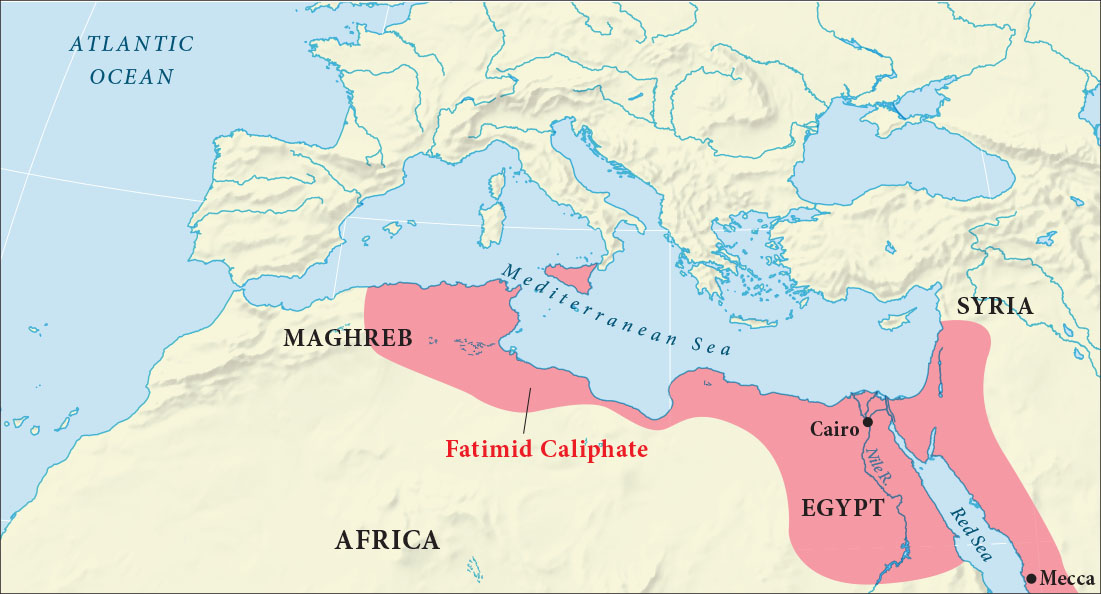
The state Abu Muhammad Abdullah established is called the Fatimid Caliphate because his dynasty claimed descent through Ali’s wife and the Islamic prophet Muhammad’s daughter Fatima. The Fatimid caliphs also claimed to be imams, Shia with spiritual authority over Muslims, based on either their biological descent from Ali or their manifestation of God’s will on earth. In 969, the Fatimids conquered Egypt, which became the center of a powerful state that controlled most of North Africa. Then they began to threaten the Abbasid heartland by taking Syria and parts of the Arabian Peninsula, including the holy city of Mecca (Figure 13.12).
英語のヒント
アブー・ムハンマド・アブドゥッラーが築いた国家は、ファーティマ朝カリフ国と呼ばれる。王朝が、アリーの妻であり、預言者ムハンマドの娘であるファーティマの系譜を引くと主張したためである。ファーティマ朝のカリフは、ムスリムに対して精神的な権威を持つシーア派のイマームであるとも主張した。その根拠は、アリーとの血縁、または地上に神の意志を体現するということだった。969年、ファーティマ朝はエジプトを征服し、そこを北アフリカの大部分を支配する強国の中心とした。さらにシリアや、聖地メッカを含むアラビア半島の一部を取り、アッバース朝の中核地域を脅かし始めた(図13.12)。
The Fatimid Caliphate.ファーティマ朝カリフ国
(attribution: Copyright Rice University, OpenStax, under CC BY 4.0 license) · CC BY 4.0
Figure 13.12 The tenth-century Fatimid Caliphate (in pink) was based in North Africa with its capital of Cairo in Egypt, but it managed to take control of the holy city of Mecca on the Arabian Peninsula. (attribution: Copyright Rice University, OpenStax, under CC BY 4.0 license)
図13.12 10世紀のファーティマ朝カリフ国を桃色で示す。北アフリカを基盤とし、エジプトのカイロを都としたが、アラビア半島の聖地メッカも支配下に置くことができた。(帰属:© Rice University、OpenStax、CC BY 4.0)
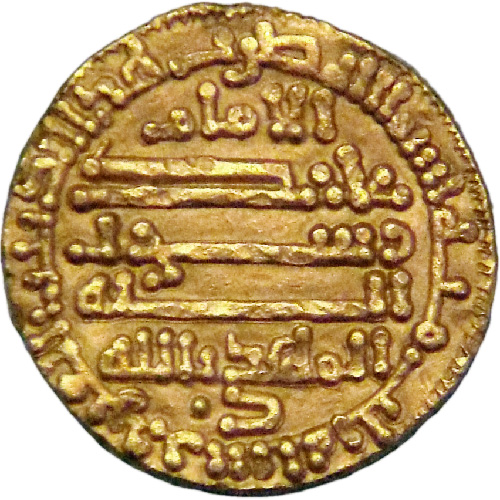
The Shia believed their caliphs held not just secular authority but also spiritual power and insight as imams. This concept was different from the Abbasid view in which the caliph was meant to lead the faithful but was not a spiritual guide. Thus, in the Fatimid Caliphate, the ruler’s religious view could lead to arbitrary (or eccentric) leadership. For example, Abu Muhammad Abdallah encouraged the Fatimid concept of caliph by taking the title of al-Mahdi, denoting an apocalyptic figure who would vanquish evil and usher in the end of time. Caliph al-Hakim bi-Amr Allah intensified preaching against the Sunnis and instituted restrictive measures on Christians and Jewish people. Rumors persisted that he considered himself divine, and his sudden disappearance at age thirty-five added to his religious mystique. Despite their religious view of the caliph, the Shi‘ites were tolerant of other faiths, and Christians and Jewish people occupied important administrative posts (Figure 13.13).
英語のヒント
シーア派は、カリフが世俗の権威だけでなく、イマームとして精神的な力と洞察も持つと信じた。これは、カリフは信徒を率いる存在であって、精神的な導き手ではないという、アッバース朝の見方とは異なっていた。したがってファーティマ朝では、支配者の宗教観が、恣意的、あるいは風変わりな統治につながることがありえた。たとえばアブー・ムハンマド・アブドゥッラーは、「マフディー」という称号を名乗り、ファーティマ朝のカリフ観を強めた。それは、悪を打ち破り、世界の終末を到来させる終末論的な人物を表す。カリフのハーキム・ビアムル・アッラーは、スンナ派に対する批判的な説教を強め、キリスト教徒やユダヤ人に制限措置を課した。自分を神と考えているといううわさが絶えず、35歳で突然姿を消したことは、その宗教的な神秘性をいっそう高めた。カリフを宗教的に捉えていても、シーア派はほかの信仰に寛容で、キリスト教徒やユダヤ教徒が重要な行政職に就いた(図13.13)。
A Fatimid Gold Coin.ファーティマ朝の金貨
(credit: “Calif al Mahdi Kairouan 912 CE” by “PHGCOM”/Wikimedia Commons, CC0 1.0) · CC0 1.0
Figure 13.13 This tenth-century gold coin from the rule of Abu Muhammad Abdullah was issued under his royal name of al-Mahdi. Coins were an important way of ensuring his subjects understood his claims to spiritual authority. (credit: “Calif al Mahdi Kairouan 912 CE” by “PHGCOM”/Wikimedia Commons, CC0 1.0)
図13.13 アブー・ムハンマド・アブドゥッラーの治世の、10世紀の金貨。「マフディー」という統治名で発行された。貨幣は、自分の精神的権威への主張を、臣民に理解させるための重要な手段だった。(出典:「PHGCOM」/Wikimedia Commons「Calif al Mahdi Kairouan 912 CE」、CC0 1.0)
As a powerful state and religious rival, the Fatimid Caliphate posed an existential threat to the Abbasids. Seeing how powerless the Abbasids were to prevent the loss of North Africa, the Umayyad emir of Al-Andalus declared himself to be caliph of a third state, the Caliphate of Cordoba.
英語のヒント
強国であり、宗教上の対抗勢力でもあるファーティマ朝カリフ国は、アッバース朝の存立を脅かした。アル=アンダルスのウマイヤ朝アミールは、アッバース朝には北アフリカを失うのを防ぐ力が、いかにないかを見て、自分を第三の国家、コルドバ・カリフ国のカリフだと宣言した。
The Seljuk Empireセルジューク帝国
The devolution of Abbasid authority under the Fatimids and the Umayyads at Cordoba is striking because both dynasties had rival claimants to the title of caliph, and the Fatimids established a state that threatened Sunni Islam. This breakdown of central authority was not limited to distant regions, however. By the late ninth century, the Abbasids permitted, or were forced to accept, the establishment of emirs within their territory. A dynasty called the Samanids controlled the regions of eastern Persia called Khorasan and Transoxiana, and the Buyid dynasty took control of Abbasid territories in Persia and Mesopotamia in the early tenth century. Although they did not claim the title of caliph for themselves, they paid only minimal homage to the Abbasid state and forced its rulers to recognize their independent authority. The dynasty that benefited most from this chaos was an outside group called the Seljuks.
英語のヒント
ファーティマ朝とコルドバのウマイヤ朝による、アッバース朝の権威の分散は、際立ったものだった。両王朝は対抗するカリフを擁し、ファーティマ朝はスンナ派イスラームを脅かす国家を築いたからである。しかし、中央の権威の崩壊は、遠い地域だけに限られなかった。9世紀末までに、アッバース朝は、領土内にアミールの支配を認めるようになった。あるいは、それを受け入れざるをえなくなった。サーマーン朝は、ペルシア東部のホラーサーンとトランスオクシアナを支配し、10世紀初めには、ブワイフ朝がペルシアとメソポタミアのアッバース朝領を掌握した。これらの王朝は、自らカリフを名乗りはしなかったが、アッバース朝に最低限の臣従しか示さず、その支配者たちに独立した権限を認めさせた。この混乱から最も利益を得た王朝は、外部から来たセルジュークという集団だった。
The Seljuk Turks were a branch of the Oghuz Turks, a confederation of Turkic clans. These seminomadic clans could form larger confederations or leave them at will, a type of organization much like that of the Mongols. The Oghuz had migrated from central Asia after surviving conflicts with other Turkic confederations in the eighth century and displacing various pastoral groups. Like many steppe peoples, they practiced a polytheistic religion, with a hierarchy of gods and spirits headed by Tengri the sky god. Specialists called shamans were believed to possess powers to negotiate for favor and fortune with these deities.
英語のヒント
セルジューク・テュルクは、テュルク系氏族の連合であるオグズ・テュルクの一支族だった。半遊牧の氏族は、より大きな連合を作ることも、そこから自由に離れることもできた。モンゴル人のものによく似た組織のあり方だった。オグズは8世紀、ほかのテュルク系連合との争いを生き延び、さまざまな牧畜集団を押しのけた後、中央アジアから移動してきた。ステップの多くの人々と同じく、天の神テングリを頂点とする、神や精霊の序列を持つ多神教を実践した。シャーマンと呼ばれる専門家は、神々と交渉して恩恵や幸運を求める力を持つ、と信じられていた。
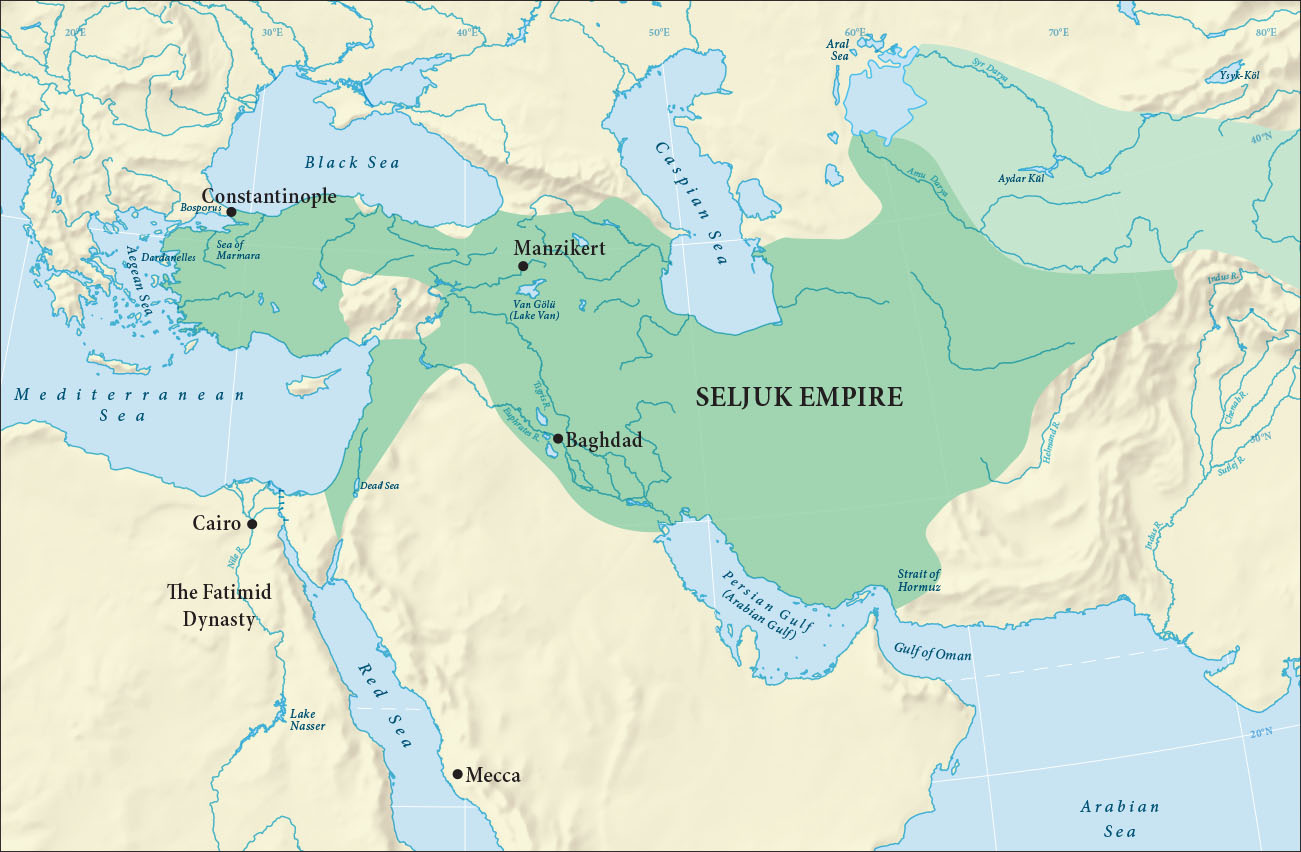
The initial contact between the Oghuz and the world of Islam was not peaceful. Raids between the two became the source of enslaved men who served the Abbasids as mamluks. The Seljuk dynasty is named for the clan leader Saljuq, who moved south from the Oghuz state in the tenth century and came into contact, often violent, with other Turkic peoples and Abbasid emirs. The leaders of the Seljuks converted to Islam, a development that may have been a source of conflict with the Oghuz but drew them into the orbit of the Abbasids. Under leaders like Tughril, they began to establish their own state within and beyond the Abbasid domains in the eleventh century. They drove off other Turkic peoples in Afghanistan, pushing them toward India. They fought successfully against the Byzantine Empire and some of its client states, especially the Kingdom of Georgia. Under Alp Arslan, they seized Anatolia from the Byzantines and posed an existential threat to Constantinople. By the middle of the eleventh century, the Seljuks had created an empire through conquest that extended from India to the Mediterranean (Figure 13.14).
英語のヒント
オグズとイスラーム世界の最初の接触は、平和なものではなかった。双方の襲撃は、アッバース朝でマムルークとして働く奴隷男性の供給源となった。セルジューク朝の名は、氏族の指導者セルジュークに由来する。彼は10世紀、オグズの国家から南へ移り、ほかのテュルク系民族やアッバース朝のアミールと、しばしば暴力を伴う接触を持った。セルジュークの指導者たちはイスラームに改宗した。それがオグズとの争いの原因になった可能性はあるが、同時に、彼らをアッバース朝の勢力圏へ引き込んだ。11世紀には、トゥグリルのような指導者のもとで、アッバース朝領の内外に自らの国家を築き始めた。アフガニスタンでは、ほかのテュルク系の人々を追い払い、インド方面へ押し出した。ビザンツ帝国や、その従属国、特にジョージア王国との戦いで成功を収めた。アルプ・アルスラーンのもとでは、ビザンツからアナトリアを奪い、コンスタンティノープルの存立を脅かした。11世紀半ばまでには、征服によって、インドから地中海へ広がる帝国を築いていた(図13.14)。
The Seljuk Empire.セルジューク帝国
(attribution: Copyright Rice University, OpenStax, under CC BY 4.0 license) · CC BY 4.0
Figure 13.14 The Seljuk Empire (in green) extended from India to Anatolia, taking territory away from the Byzantine Empire and ruling over Persia, Mesopotamia, Syria, and much of Anatolia." (attribution: Copyright Rice University, OpenStax, under CC BY 4.0 license)
図13.14 セルジューク帝国(緑)は、インドからアナトリアへ広がった。ビザンツ帝国から領土を奪い、ペルシア、メソポタミア、シリア、アナトリアの大部分を支配した。(帰属:© Rice University、OpenStax、CC BY 4.0)
The Seljuk leaders did not take the title of caliph from the Abbasids but instead adopted the name sultan, meaning “the authority.” Because they were new converts to Islam who were not Arabs and had no connection to the family of Muhammad, the title of caliph seemed out of their reach. They acknowledged the position of the caliph, but real authority was in their own hands. Eager to show their zeal by fighting against Christians and Fatimids, the Seljuks now controlled the heart of the Islamic civilization, and considerable Byzantine territory.
英語のヒント
セルジュークの指導者は、アッバース朝からカリフの称号を奪わず、代わりに「権威」を意味するスルタンの称号を採用した。新しくイスラームに改宗した人々で、アラブ人ではなく、ムハンマドの家系にもつながりがなかったため、カリフの称号は手が届かないものに思われた。カリフの地位は認めたが、実権は自分たちの手にあった。キリスト教徒やファーティマ朝と戦うことで信仰への熱意を示そうとしたセルジューク人は、いまやイスラーム文明の中心部と、ビザンツのかなりの領土を支配していた。
The Seljuks built their legitimacy by defending Sunni Islam and investing in cultural and artistic projects. They built mosques and supported the work of religious scholars and missionaries. The famous philosopher al-Ghazali served in the courts of Seljuk sultans. Despite his opposition to the way Ibn Sina (known in the West as Avicenna) had applied Greek logic to matters of faith, he nevertheless worked in natural sciences and mathematics. Like the Abbasids before them, the Seljuks patronized the arts and built mosques, madrasas, and palaces. They supported the work of scholars like the mathematician and poet Omar Khayyam. Like the earlier Arab conquerors, they also adopted Persian as a literary language and embraced urban living.
英語のヒント
セルジューク朝は、スンナ派イスラームを守り、文化・芸術事業に資源を投じることで、自らの正統性を築いた。モスクを建て、宗教学者や伝道者の活動を支えた。著名な哲学者ガザーリーは、セルジュークのスルタンたちの宮廷に仕えた。ガザーリーは、西方でアヴィケンナと呼ばれるイブン・スィーナーが、ギリシアの論理学を信仰の問題に適用した方法に反対したが、自らは自然科学や数学にも取り組んだ。先行するアッバース朝と同じように、セルジューク朝は芸術を保護し、モスク、マドラサ、宮殿を建てた。数学者・詩人のウマル・ハイヤームのような学者も支援した。また、それ以前のアラブ人征服者と同じく、ペルシア語を文学の言語として採り入れ、都市生活になじんだ。
They participated in the exchange of culture, and the promotion of Islamic cultural institutions revolved around the courts of the aristocracy, mosques, and madrasas. The Seljuks also stand out as promoters of the caravansaries, inns along the trade routes that had long offered a safe place to stay for those traveling long distances.
英語のヒント
セルジューク朝は文化交流に参加した。イスラームの文化施設や制度を育てる活動は、貴族の宮廷、モスク、マドラサを中心に進められた。またキャラヴァンサライ、すなわち隊商宿の保護者としても際立っていた。隊商宿は、長距離を旅する人々に、交易路沿いで安全に泊まれる場所を、長く提供してきた宿泊施設である。
Strict Sunnis, the sultans pushed back the Shia Fatimids and took control of Jerusalem and eventually Mecca. While they were still generally tolerant of other religions like Judaism and Christianity, they ensured that Sunni Islam was dominant by insisting on regular payments from non-Muslim communities and by refusing to permit Shia in high offices. The Seljuks’ success in fighting against Christian states fueled claims of religious oppression in western Europe.
英語のヒント
厳格なスンナ派だったスルタンたちは、シーア派のファーティマ朝を押し戻し、エルサレム、そしてついにはメッカも支配下に置いた。ユダヤ教やキリスト教など、ほかの宗教には依然としておおむね寛容だったが、非ムスリム共同体へ定期的な納付を求め、シーア派を高い官職から排除することで、スンナ派の優位を確保した。セルジューク朝がキリスト教諸国との戦いで成功したことは、西ヨーロッパで、宗教的抑圧が行われているという主張を強めた。
In many ways, the arrival of the Turkic peoples and their conversion to Islam helped to revive the fortunes of Sunni Islam and the fight against Christian states. Despite the victories of leaders like Alp Arslan, however, by the end of the eleventh century, conflicts over the succession were taking their toll. Members of the dynasty began to fight each other and break the empire into smaller states. One of the most important successor states was established in Anatolia, near the Byzantine Empire, and was called the Seljuk Sultanate of Rum, a name that reflects the region’s past as part of the Roman and then the Byzantine Empires.
英語のヒント
多くの点で、テュルク系民族の到来とイスラームへの改宗は、スンナ派の勢いと、キリスト教諸国との戦いをよみがえらせた。しかしアルプ・アルスラーンのような指導者の勝利にもかかわらず、11世紀末までには、後継をめぐる争いが深刻な影響を及ぼしていた。王朝の一族が互いに戦い始め、帝国を小さな国々へ分裂させた。特に重要な後継国家の一つは、ビザンツ帝国の近く、アナトリアに成立し、ルーム・セルジューク朝スルタン国と呼ばれた。ルームという名は、この地域がかつてローマ帝国、その後ビザンツ帝国の一部だった歴史を反映している。
The infighting among the Seljuks, their conflict with the Fatimids, and the rival caliphate in Spain fragmented the Islamic world. Attempts by the Abbasids to take effective control of their empire led to more complications for Seljuk rule. Fatimid power was threatened by internal instability when the caliphs incorporated Turkic cavalry, alienating traditional Amazigh cavalry. The Islamic world continued to produce brilliant scholars and poets who engaged with Persian, ancient Greek, and Indian ideas. Politically, however, the Islamic kingdoms were divided and weak. This fragmentation enabled Christians from western Europe to establish their own colonies in the Islamic world by means of the Crusades.
英語のヒント
セルジューク朝の内紛、ファーティマ朝との対立、スペインの対抗カリフ国は、イスラーム世界を分裂させた。アッバース朝が帝国の実効支配を取り戻そうとする動きは、セルジューク朝の統治をさらに複雑にした。ファーティマ朝でも、カリフがテュルク系騎兵を取り入れ、従来のアマジグ系騎兵を遠ざけたことで、内部の不安定さが権力を脅かした。イスラーム世界は、ペルシア、古代ギリシア、インドの思想に取り組む、優れた学者や詩人を生み出し続けた。しかし政治的には、諸国は分裂し、弱体化していた。この分裂によって、西ヨーロッパのキリスト教徒は、十字軍を通じて、イスラーム世界に自らの植民地を築くことができた。