第8章ラテンアメリカの革命Revolutions in Latin America
The Peninsular War and the American Question半島戦争とアメリカ植民地問題
When Napoléon occupied Spain in 1807 and made its ruling royalty captive, he inadvertently sparked a crisis in Spain’s American empire. As insurgents in Spain established regional governing and deliberative councils called juntas to deal with the crisis, so too did creole elites. In key economic and political centers such as Mexico City, Caracas, Buenos Aires, Santiago, and Bogotá, the Spanish authorities surrendered control to these local juntas. For the first time in Spanish America, local government bodies enjoyed self-rule, and each of the juntas considered how it might turn this dramatic turn of events to its own advantage. That is, the solution to the political crisis in Spain breathed new life into a desire for independence throughout the main four colonial divisions.
英語のヒント
1807年、ナポレオンがスペインを占領して王家を捕らえたとき、彼は意図せず、スペインのアメリカ帝国に危機を引き起こした。スペインの反乱者が危機に対処するため、フンタと呼ばれる地方の統治・審議評議会を作ると、クリオーリョ上層者も同じことをした。メキシコ市、カラカス、ブエノスアイレス、サンティアゴ、ボゴタなどの重要な経済・政治の中心では、スペイン当局がこれらの地方フンタへ支配権を譲った。スペイン領アメリカで初めて、地方の政府機関が自治を享受し、各フンタはこの劇的な展開をどう自分たちの利益に変えられるか考えた。つまり、スペイン本国の政治危機への対応策が、主要な4つの植民地地域全体で、独立への願望に新たな息吹を与えたのである。
The idea of self-rule animated both those who were waiting for the Spanish king to return—the royalists—and those who craved total independence—the patriots. The royalists justified their actions by following the example of the Spanish regional juntas, but for the patriots, the formation of juntas turned the idea of complete independence into a viable goal. They organized popular demonstrations and called the loyalty of royal officials into question. From this point on, the conflict between patriots and royalists grew quickly.
英語のヒント
自治の考えは、スペイン王の復帰を待つ王党派と、完全独立を渇望する愛国派の両方を活気づけた。王党派はスペインの地方フンタの例にならうことで行動を正当化したが、愛国派にとって、フンタの形成は完全独立を実現可能な目標に変えた。彼らは民衆の示威行動を組織し、王の官吏の忠誠に疑問を投げかけた。この時点から、愛国派と王党派の対立は急速に強まった。
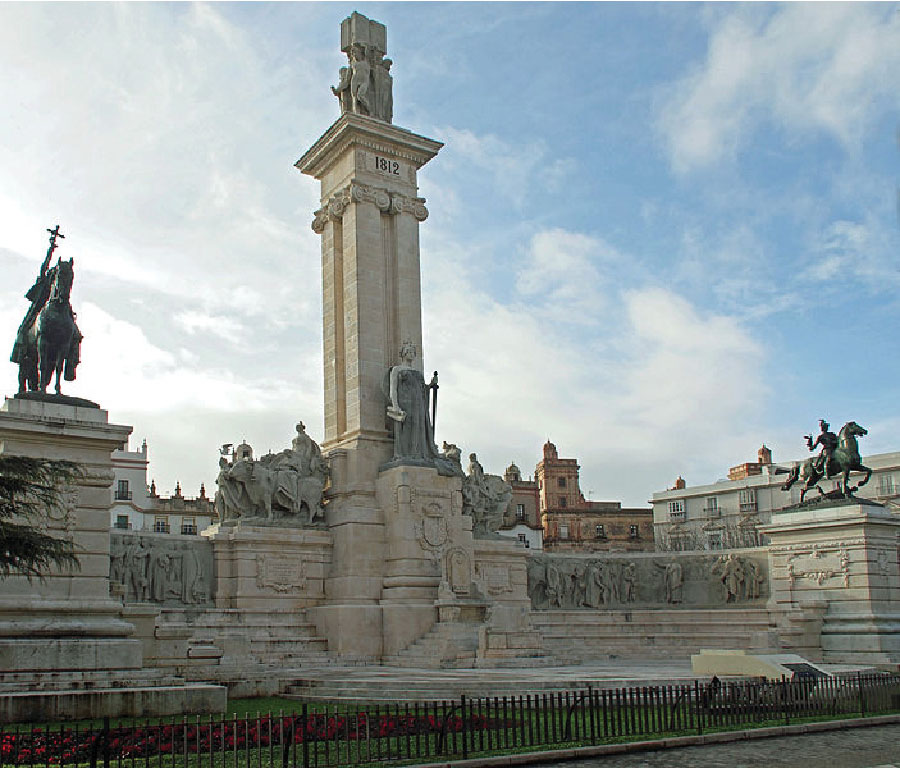
In Spain, the central revolutionary junta yielded its power to a national parliament, the Cortes, which met in the city of Cádiz. In 1812, the Cádiz Cortes approved a liberal charter known as the Cádiz Constitution or the Constitution of 1812, which provided for limited monarchy, promised freedom of speech and assembly, and abolished the Inquisition (Figure 8.9). The writing of the document also provoked heated debates about Spanish American autonomy. It gave the franchise to American Indian and mestizo men but excluded men of African ancestry from the political process. In terms of political rights, the document legally grouped all Spanish Americans of African ancestry with felons, debtors, and domestic servants, as people denied the right to govern themselves. Such categorization reinforced the link between African ancestry and slavery.
英語のヒント
スペインでは、中央の革命フンタが、カディス市に集まった国の議会コルテスへ権力を譲った。1812年、カディス議会は、カディス憲法、または1812年憲法と呼ばれる自由主義的な憲章を承認した。それは制限された君主制を定め、言論と集会の自由を約束し、異端審問を廃止した(図8.9)。この文書の作成は、スペイン領アメリカの自治をめぐる激しい論争も引き起こした。先住民とメスティーソの男性には選挙権を与えたが、アフリカ系の男性は政治過程から除外した。政治的権利の点で、この文書は、スペイン領アメリカのアフリカ系住民すべてを、重罪犯、債務者、家内使用人と同じ、自らを統治する権利を認められない人々として法的に分類した。この分類は、アフリカ系の出自と奴隷制の結びつきを強めた。
Monument to the Constitution of 1812.1812年憲法の記念碑。
(credit: “Cortes von Cadiz Monument” by Hajotthu/Wikimedia Commons, CC BY 3.0) · CC BY 3.0
Figure 8.9 This monument in Cádiz, Spain, was commissioned in 1912 to commemorate the Cortes and the centennial of the Constitution of 1812. (credit: “Cortes von Cadiz Monument” by Hajotthu/Wikimedia Commons, CC BY 3.0)
英語のヒント
図8.9 スペインのカディスにあるこの記念碑は、議会と1812年憲法の100周年を記念するため、1912年に制作が依頼された。(画像:Hajotthu/Wikimedia Commons「Cortes von Cadiz Monument」、CC BY 3.0。)
Though creole delegates joined in the constituent deliberations, the Spanish delegates to the Cortes ensured that they retained control of the body. Denying automatic Spanish citizenship and voting rights to men born in the Americas and refusing to count them for purposes of determining the number of delegates to the Cortes guaranteed that power remained in the hands of the European Spaniards and not the Spanish American colonists. Furthermore, the European Spaniards who dominated the Cortes refused to grant colonial demands to abolish the Spanish sales tax and eliminate monopolies, because the income earned from these measures was needed to fight the French.
英語のヒント
クリオーリョの代表も憲法制定の審議に加わったが、コルテスのスペイン人代表は、自分たちが議会の主導権を握り続けるようにした。アメリカ生まれの男性にスペイン市民権と選挙権を自動的には認めず、議員数を決める際の人口にも算入しないことで、権力がスペイン領アメリカの植民地人ではなく、ヨーロッパのスペイン人の手に残るよう保証した。さらに、議会を支配するヨーロッパのスペイン人は、スペインの売上税を廃止し、独占をなくしてほしいという植民地の要求を拒んだ。それらによる収入が、フランスとの戦いに必要だったからである。
White European Spaniards thus retained their political and commercial control over the colonies. However, the experience of forming juntas and sending delegates to the Cortes had broken the colonists’ obedience to Spain, and the refusal to accede to colonial demands could not be enforced. By then, the colonists had already realized that they were completely able to govern themselves. Spain’s politico-economic grip on its colonies continued to weaken as its militarized response proved ineffective.
英語のヒント
こうしてヨーロッパ生まれの白人スペイン人は、植民地への政治的・商業的支配を保った。しかし、フンタの結成や議会への代表派遣の経験は、植民地人のスペインへの従順さをすでに壊しており、植民地の要求を拒む姿勢を押し通すことはできなかった。この時点で植民地人は、自分たちが十分に自治できることを悟っていた。軍事的対応も効果がないとわかるにつれ、スペインの政治・経済面での植民地への支配は弱まり続けた。
With the fall of Napoléon in 1814, Fernando VII was finally restored to the Spanish throne. Rather than negotiating once he returned to power, however, he made it clear that the six-year interlude of self-rule in the Americas was over. Fernando dissolved the Cortes, rejected the Constitution of 1812, persecuted liberals, and dispatched Spanish troops to the colonies to enforce his absolutist policies. This return to colonial order was a relief to royalists, but it enraged the patriots. The creole juntas in Spanish America simply could not accept the high costs of returning to the previous colonial administration. Now more than ever, they wanted an equal voice in government and consent to the free trade policy already in place.
英語のヒント
1814年にナポレオンが失脚すると、フェルナンド7世はついにスペイン王位に復帰した。しかし復権後は交渉するどころか、アメリカの6年間の自治の幕間は終わったと明言した。彼は議会を解散し、1812年憲法を退け、自由主義者を迫害し、絶対主義政策を強制するためスペイン軍を植民地へ派遣した。植民地秩序へのこの復帰は王党派を安心させたが、愛国派を激怒させた。スペイン領アメリカのクリオーリョのフンタは、以前の植民地統治に戻る大きな代償を、どうしても受け入れられなかった。今やこれまで以上に、政治における対等な発言権と、すでに行われていた自由貿易政策への承認を求めた。
The disruption of Spanish sovereignty had brought all colonial grievances to the forefront and sparked immediate reactions in the colonies. The creole elites’ resentment over the reinstatement of pre-Napoleonic policy allowed the search for independence to spark.
英語のヒント
スペイン主権の混乱は、植民地が抱えるあらゆる不満を表面化させ、ただちに反応を引き起こした。ナポレオン以前の政策が復活することへのクリオーリョ上層者の憤りが、独立を求める動きに火をつけた。
Section Summaryこの節のまとめ
The revolutionary examples of the United States and France encouraged creole elites in the Spanish American colonies to dream of independence. These educated people of European ancestry had been born in the Americas and resented both the political power held by the peninsulares and Spain’s economic restrictions. The overthrow of the Spanish monarchy by the French gave creoles the opportunity to participate in local self-governing bodies called juntas, and some were delegates to meetings of the Spanish Cortes, a national parliament that produced a short-lived constitution. This not only reawakened their desire for independence and self-government, but it also showed them that it was possible.
アメリカ合衆国とフランスの革命の例は、スペイン領アメリカ植民地のクリオーリョ上層者に独立を夢見させた。アメリカ大陸で生まれ、教育を受けたヨーロッパ系の彼らは、ペニンスラーレスの政治権力にも、スペインの経済的制約にも不満を抱いていた。フランスがスペイン王政を倒したことで、クリオーリョはフンタと呼ばれる地方自治機関へ参加する機会を得た。一部は、短命に終わる憲法を作った国の議会、スペインのコルテスの会議にも代表として参加した。この経験は独立と自治への願いを再び呼び起こしただけでなく、それが実現可能だと彼らに示した。
Review Questions復習問題
- White people born in America of mixed European and Indigenous descent
- White Europeans born in the Iberian Peninsula who lived in the Spanish American colonies
- White people of Spanish descent born in the Americas and living in the Yucatán Peninsula
- White European colonists who were born and lived in the Americas
- アメリカ生まれで、ヨーロッパ系と先住民系の出自を持つ白人
- イベリア半島生まれで、スペイン領アメリカ植民地に暮らす白人ヨーロッパ人
- アメリカ生まれのスペイン系白人で、ユカタン半島に暮らす人々
- アメリカで生まれ育った白人ヨーロッパ系植民者
- people born in the Americas of mixed European and native descent
- White Europeans born in the Iberian Peninsula who lived in the Spanish American colonies
- people born in the Americas of mixed European and African descent
- White European colonists who were born and lived in the Americas
- アメリカ生まれで、ヨーロッパ系と先住民系の出自を持つ人々
- イベリア半島生まれで、スペイン領アメリカ植民地に暮らす白人ヨーロッパ人
- アメリカ生まれで、ヨーロッパ系とアフリカ系の出自を持つ人々
- アメリカで生まれ暮らす、白人ヨーロッパ系植民者
- those ideas helped them to effectively govern their colonies
- those ideas justified their desire for more social and political authority
- those ideas drew them closer to their English neighbors in British America
- those ideas drew them closer to the Spanish nobility
- その思想が植民地を効果的に統治するのに役立ったため
- より大きな社会的・政治的権限を求める願いを正当化したため
- イギリス領アメリカの近隣のイングランド人に近づけたため
- スペインの貴族に近づけたため
- a social hierarchy encoded in law and based on what were thought to be inherited characteristics
- a nativist label for people of African descent, used during the wars of independence
- the lowest social layer, linked to a person’s economic status
- people of Indigenous descent who lived in the rural areas
- 遺伝すると考えられた特徴に基づき、法律に明文化された社会的序列
- 独立戦争期にアフリカ系の人々へ用いられた、外来者排斥の呼称
- 人の経済的地位に結びつく、社会の最下層
- 農村部に暮らす先住民系の人々
- tried to stimulate trade and economic development in the Spanish colonies
- abolished old taxes in Spanish America and welcomed the help of the Catholic Church
- dismantled their fortifications in port cities such as Veracruz, in New Spain
- decreased the number of peninsular bureaucrats in the colonial administration
- スペイン植民地の貿易と経済発展を促そうとした。
- スペイン領アメリカの古い税を廃止し、カトリック教会の援助を歓迎した。
- ヌエバ・エスパーニャのベラクルスなどの港湾都市で要塞を解体した。
- 植民地行政の半島出身官僚の人数を減らした。
- the establishment of national armies
- the granting of political equality to all people
- the ending of slavery in all French territory
- the declaration of universal male suffrage
- 国民軍の設立
- すべての人への政治的平等の付与
- フランス領全域での奴隷制廃止
- 男子普通選挙の宣言
- Brazilian
- Mexican
- Haitian
- Argentine
- ブラジル
- メキシコ
- ハイチ
- アルゼンチン