第12章社会心理学
In-Groups and Out-Groups内集団と外集団
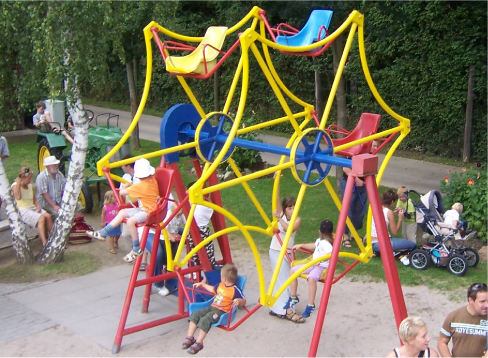
As discussed previously in this section, we all belong to a gender, race, age, and social economic group. These groups provide a powerful source of our identity and self-esteem (Tajfel & Turner, 1979). These groups serve as our in-groups. An in-group is a group that we identify with or see ourselves as belonging to. A group that we don’t belong to, or an out-group, is a group that we view as fundamentally different from us. For example, if you are a woman, your gender in-group includes all women, and your gender out-group includes all men (Figure 12.23). People often view gender groups as being fundamentally different from each other in personality traits, characteristics, social roles, and interests. Because we often feel a strong sense of belonging and emotional connection to our in-groups, we develop in-group bias: a preference for our own group over other groups. This in-group bias can result in prejudice and discrimination because the out-group is perceived as different and is less preferred than our in-group.
英語のヒント
この節ですでに述べたように、私たちはみな、ある性別、人種、年齢、社会経済的な集団に属している。こうした集団は、私たちのアイデンティティと自尊心の強力な源となる(Tajfel & Turner, 1979)。これらの集団は、私たちの内集団として働く。内集団とは、私たちが自分を同一視する集団、あるいは自分が属していると考える集団である。自分が属していない集団、すなわち外集団とは、自分とは根本的に異なるとみなす集団である。たとえば、あなたが女性なら、あなたの性別の内集団にはすべての女性が含まれ、性別の外集団にはすべての男性が含まれる(図12.23)。人はしばしば、性別集団どうしを、パーソナリティ特性、特徴、社会的役割、興味の点で根本的に異なるものとみなす。私たちは内集団に強い所属感や情緒的なつながりを感じることが多いため、内集団バイアス、すなわちほかの集団よりも自分の集団を好む傾向を発達させる。この内集団バイアスは、偏見と差別につながりうる。外集団は自分たちとは違うものと受けとめられ、内集団ほど好まれないからである。
OpenStax, Rice University; Psychology 2e. (credit: modification of work by "Reiner Kraft"/Flickr) · CC BY 4.0 · Source出典

Figure 12.23図 12.23
These children are very young, but they are already aware of their gender in-group and out-group. (credit: modification of work by "Reiner Kraft"/Flickr)
この子どもたちはとても幼いが、すでに自分の性別の内集団と外集団を意識している。(出典:“Reiner Kraft”/Flickrの作品を改変)
Despite the group dynamics that seem only to push groups toward conflict, there are forces that promote reconciliation between groups: the expression of empathy, of acknowledgment of past suffering on both sides, and the halt of destructive behaviors.
英語のヒント
集団どうしを対立へと押しやるばかりに見える集団の力学があるにもかかわらず、集団間の和解を促す力も存在する。共感を表明すること、双方が過去に受けた苦しみを認めると表明すること、そして破壊的な行動をやめることである。
One function of prejudice is to help us feel good about ourselves and maintain a positive self-concept. This need to feel good about ourselves extends to our in-groups: We want to feel good and protect our in-groups. We seek to resolve threats individually and at the in-group level. This often happens by blaming an out-group for the problem. Scapegoating is the act of blaming an out-group when the in-group experiences frustration or is blocked from obtaining a goal (Allport, 1954).
英語のヒント
偏見の働きの一つは、私たちが自分自身について良い気分でいられるようにし、肯定的な自己概念を保つのを助けることである。自分について良い気分でいたいというこの欲求は、内集団にも及ぶ。私たちは良い気分でいたいし、自分の内集団を守りたいのである。私たちは、脅威を個人のレベルでも内集団のレベルでも解消しようとする。これはしばしば、問題を外集団のせいにすることによって行われる。スケープゴート化とは、内集団が欲求不満を経験したり、目標の達成を妨げられたりしたときに、外集団を責める行為である(Allport, 1954)。
Summaryまとめ
As diverse individuals, humans can experience conflict when interacting with people who are different from each other. Prejudice, or negative feelings and evaluations, is common when people are from a different social group (i.e., out-group). Negative attitudes toward out-groups can lead to discrimination. Prejudice and discrimination against others can be based on gender, race, ethnicity, social class, sexual orientation, or a variety of other social identities. In-group’s who feel threatened may blame the out-groups for their plight, thus using the out-group as a scapegoat for their frustration.
多様な個人である人間は、互いに異なる人々と接するときに対立を経験することがある。偏見、すなわち否定的な感情や評価は、相手が異なる社会集団(つまり外集団)に属している場合によく見られる。外集団に対する否定的な態度は、差別につながりうる。他者に対する偏見と差別は、性別、人種、民族、社会階級、性的指向、その他さまざまな社会的アイデンティティに基づくことがある。脅威を感じた内集団は、自分たちの苦境を外集団のせいにすることがあり、そうして外集団を自分たちの欲求不満のスケープゴートとして利用する。
Review Questions確認問題
Exercise 33問題 33
Prejudice is to ________ as discrimination is to ________.
偏見と________の関係は、差別と________の関係に等しい。
- feelings; behavior感情;行動
- thoughts; feelings考え;感情
- feelings; thoughts感情;考え
- behavior; feelings行動;感情
Solution解き方
A
A
Exercise 34問題 34
Which of the following is not a type of prejudice?
次のうち、偏見の一種ではないものはどれか。
- homophobia同性愛嫌悪
- racism人種差別
- sexism性差別
- individualism個人主義
Solution解き方
D
D
Exercise 35問題 35
________ occurs when the out-group is blamed for the in-group’s frustration.
________は、内集団の欲求不満について外集団が責められるときに起こる。
- stereotypingステレオタイプ化
- in-group bias内集団バイアス
- scapegoatingスケープゴート化
- ageismエイジズム
Solution解き方
C
C
Exercise 36問題 36
When we seek out information that supports our stereotypes we are engaged in ________.
自分のステレオタイプを支持する情報を探し求めるとき、私たちは________を行っている。
- scapegoatingスケープゴート化
- confirmation bias確証バイアス
- self-fulfilling prophecy自己成就予言
- in-group bias内集団バイアス
Solution解き方
B
B
Critical Thinking Questions考察問題
Exercises 37–38練習問題 37–38
Exercise 37問題 37
Some people seem more willing to openly display prejudice regarding sexual orientation than prejudice regarding race and gender. Descbribe why this might be.
人種や性別に関する偏見よりも、性的指向に関する偏見のほうを、進んで公然と示すように見える人がいる。なぜそうなるのかを説明せよ。
Solution解き方
In the United States, many people believe that sexual orientation is a choice, and there is some debate in the research literature as to the extent sexual orientation is biological or influenced by social factors. Because race and gender are not chosen, many Americans believe it is unfair to negatively judge women or racial minority groups for a characteristic that is determined by genetics. In addition, many people in the United States practice religions that believe homosexuality is wrong.
アメリカでは、性的指向は本人が選ぶものだと考える人が多く、性的指向がどの程度生物学的なもので、どの程度社会的要因の影響を受けるのかについては、研究文献の中でもいくらか議論がある。人種と性別は選んだものではないので、遺伝によって決まる特徴を理由に女性や人種的少数派の集団を否定的に判断するのは不公平だと、多くのアメリカ人は考えている。加えて、アメリカでは多くの人が、同性愛は間違っているとする宗教を信仰している。
Exercise 38問題 38
When people blame a scapegoat, how do you think they choose evidence to support the blame?
人がスケープゴートを責めるとき、その非難を裏づける証拠を、彼らはどのように選ぶと思うか。
Solution解き方
One way in which they might do this is to selectively attend to information that would bolster their argument. Furthermore, they may actively seek out information to confirm their assertions.
一つの方法として、自分の主張を強める情報に選択的に注意を向けることが考えられる。さらに、自分の主張を裏づける情報を積極的に探し求めるかもしれない。
Personal Application Questions自分に当てはめて考える問題
Exercise 39問題 39
Give an example when you felt that someone was prejudiced against you. What do you think caused this attitude? Did this person display any discrimination behaviors and, if so, how?
誰かが自分に偏見を抱いていると感じたときの例を挙げよう。何がその態度を生んだと思うか。その人は何らかの差別的な行動を示したか。示したとすれば、どのように示したか。
Exercise 40問題 40
Give an example when you felt prejudiced against someone else. How did you discriminate against them? Why do you think you did this?
自分がほかの誰かに偏見を抱いたときの例を挙げよう。あなたはその人をどのように差別したか。なぜそうしたのだと思うか。
ageism
エイジズム
prejudice and discrimination toward individuals based solely on their age
年齢だけを理由に個人に向けられる偏見と差別
confirmation bias
確証バイアス
seeking out information that supports our stereotypes while ignoring information that is inconsistent with our stereotypes
ステレオタイプと一致しない情報を無視しながら、自分のステレオタイプを支持する情報を探し求めること
discrimination
差別
negative actions toward individuals as a result of their membership in a particular group
特定の集団の一員であることの結果として、個人に向けられる否定的な行為
homophobia
同性愛嫌悪
prejudice and discrimination against individuals based solely on their sexual orientation
性的指向だけを理由に個人に向けられる偏見と差別
in-group
内集団
group that we identify with or see ourselves as belonging to
自分を同一視する集団、あるいは自分が属していると考える集団
in-group bias
内集団バイアス
preference for our own group over other groups
ほかの集団よりも自分の集団を好むこと
out-group
外集団
group that we don’t belong to—one that we view as fundamentally different from us
自分が属していない集団。自分とは根本的に異なるとみなす集団
prejudice
偏見
negative attitudes and feelings toward individuals based solely on their membership in a particular group
特定の集団の一員であるというだけの理由で個人に向けられる、否定的な態度と感情
racism
人種差別
prejudice and discrimination toward individuals based solely on their race
人種だけを理由に個人に向けられる偏見と差別
scapegoating
スケープゴート化
act of blaming an out-group when the in-group experiences frustration or is blocked from obtaining a goal
内集団が欲求不満を経験したり、目標の達成を妨げられたりしたときに、外集団を責める行為
self-fulfilling prophecy
自己成就予言
treating stereotyped group members according to our biased expectations only to have this treatment influence the individual to act according to our stereotypic expectations, thus confirming our stereotypic beliefs
ステレオタイプの対象となる集団の成員を、自分の偏った予期に沿って扱った結果、その扱いが相手に影響して、相手がこちらのステレオタイプ的な予期どおりにふるまうようになり、こちらのステレオタイプ的な信念が裏づけられてしまうこと
sexism
性差別
prejudice and discrimination toward individuals based on their sex
性別に基づいて個人に向けられる偏見と差別
stereotype
ステレオタイプ
specific beliefs or assumptions about individuals based solely on their membership in a group, regardless of their individual characteristics
個人の特徴にかかわらず、集団の一員であるというだけの理由で、個人について抱かれる特定の信念や思い込み