第4章イスラーム世界The Islamic World
4.1 A Connected Islamic World4.1 結びついたイスラーム世界
Learning Objectives学習の目標
By the end of this section, you will be able to:
この節を学ぶと、次のことができるようになる。
Identify the factors that characterized and often united the Muslim ummah after 1500
1500年以後のムスリムのウンマを特徴づけ、しばしば一つに結びつけた要因を挙げる。
Explain the relationships among politics, religion, technology, and trade in the Islamic world after 1500
1500年以後のイスラーム世界における政治、宗教、技術、交易の関係を説明する。
Analyze the impact of Islamic political and legal institutions on the larger Muslim community
イスラームの政治制度と法制度が、広いムスリム共同体に与えた影響を分析する。
Beginning with its emergence during the life of the prophet Muhammad at the beginning of the seventh century CE, the religion of Islam spread far and wide for several centuries and led to the establishment of several caliphates, areas under the control of Muslim rulers called caliphs. Early expansion occurred largely through conquests, such as those undertaken by the Prophet himself, the Rashidun Caliphate (the name given to the rule of the four caliphs who succeeded Muhammad), and the Umayyad Caliphate, which emerged decades after Muhammad’s death and was ruled by the Umayyad dynasty based in Syria. These conquests expanded the ummah, or the community of Muslims, into Iran, Spain, and the vast lands in between.
英語のヒント
イスラーム教は、西暦7世紀初めの預言者ムハンマドの生涯の間に生まれて以来、数世紀にわたって広範囲に広がり、複数のカリフ国の成立をもたらした。カリフ国とは、カリフと呼ばれるムスリムの支配者が統治する領域である。初期の拡大は、おもに征服を通じて起こった。それを担ったのは預言者自身、正統カリフ時代の国家、そしてウマイヤ朝などである。正統カリフ時代とは、ムハンマドの後を継いだ4人のカリフによる統治を指す。ウマイヤ朝はムハンマドの死の数十年後に成立し、シリアに拠点を置くウマイヤ家によって統治された。こうした征服により、ウンマ、すなわちムスリムの共同体は、イラン、スペイン、そしてその間の広大な土地へと拡大した。
In 750, the Umayyad Caliphate succumbed to rebellion and gave way to the Abbasid Caliphate. This dynastic transformation not only led to the elevation of Baghdad as the capital of the Abbasid world, but it also brought with it a larger political division in the Islamic world. The Umayyads in Spain refused to recognize the new Abbasid rulers and eventually established their own rival caliphate. In the centuries that followed, other parts of the Islamic world did the same. By the year 1000, there were three rival caliphates: the Sunni Abbasids ruling from Baghdad, the Shi‘ite Fatimids ruling from Cairo, and a rival Sunni caliphate, the Umayyads, ruling from Cordoba in Spain.
英語のヒント
750年、ウマイヤ朝は反乱に屈し、アッバース朝へと交代した。この王朝交代は、バグダードをアッバース朝世界の首都に押し上げただけでなく、イスラーム世界にいっそう大きな政治的分裂をもたらした。スペインのウマイヤ家は、新たなアッバース朝の支配者を承認することを拒み、やがて対抗する独自のカリフ国を樹立した。その後の数世紀には、イスラーム世界の他の地域でも同じことが起こった。1000年までに、互いに対立する3つのカリフ国が存在していた。バグダードから統治するスンナ派のアッバース朝、カイロから統治するシーア派のファーティマ朝、そしてスペインのコルドバから統治するもう一つのスンナ派カリフ国、ウマイヤ朝である。
Over the next few centuries, a combination of trade and conquest expanded the ummah into West Africa and India. The arrival of the Mongols in the thirteenth century resulted in increased expansion but also the end of the Abbasid Caliphate in 1258. During the following few hundred years, the rise of the Ottoman Empire brought a larger Islamic presence to southeastern Europe, and the Safavids came to power in Iran. (The land once called Persia became known as Iran during the Abbasid era, although foreigners still commonly referred to it as Persia until the twentieth century.) Steady Islamic trade in the Indian Ocean also expanded Islam into Southeast Asia. By 1500, the Islamic world was geographically expansive and politically, ethnically, and linguistically very diverse.
英語のヒント
その後の数世紀に、交易と征服の組み合わせがウンマを西アフリカとインドへと拡大させた。13世紀のモンゴル勢力の到来は、さらなる拡大をもたらすと同時に、1258年のアッバース朝滅亡を招いた。続く数百年には、オスマン帝国の台頭によってヨーロッパ南東部でイスラームの存在感が増し、イランではサファヴィー朝が政権を握った。(かつてペルシアと呼ばれた土地はアッバース朝時代にイランとして知られるようになったが、外国人は20世紀まで一般にペルシアと呼び続けた。)インド洋における着実なイスラーム交易も、東南アジアへのイスラーム教の拡大をもたらした。1500年までに、イスラーム世界は地理的に広大となり、政治、民族、言語の面で非常に多様になっていた。
Politics and Religion in the Ummahウンマにおける政治と宗教
In the sixteenth century, the ummah was composed of a number of large and small Islamic empires and states. Among the large empires were the Mughal Empire of India (discussed in India and International Connections), the Safavid Empire of Iran, and the Ottoman Empire of the Mediterranean. There were many more small kingdoms in places like Morocco, Indonesia, the Swahili Coast, and parts of central Asia. However, despite this political fragmentation, the various parts of the larger Islamic world maintained an element of cohesiveness derived largely from their religion. Rival Islamic kingdoms might disagree with each other on issues of official doctrine or politics, but members of the ulama, a class of religious clerics and scholars who act as the primary interpreters of Islamic law, engaged in scholarly debates and collaborated with each other through correspondence. Shared basic beliefs and a reverence for the teachings of Muhammad united all Muslims. Religious and political institutions tended to maintain a similar structure and function in different locations: judges oversaw legal and religious disputes, and the ulama advised political rulers and ordinary citizens alike on policy by issuing nonbinding legal opinions called fatwas. In this way, the ulama helped unify the increasingly diverse Islamic world.
英語のヒント
16世紀のウンマは、多数の大小のイスラーム帝国や国家から構成されていた。大帝国には、インドのムガル帝国(「インドと国際的なつながり」で取り上げる)、イランのサファヴィー朝、地中海のオスマン帝国があった。モロッコ、インドネシア、スワヒリ海岸、中央アジアの一部などには、さらに多くの小王国が存在した。しかし、この政治的な分裂にもかかわらず、広いイスラーム世界の各部分は、おもに宗教に由来する一定の結束を維持していた。対立するイスラーム諸王国は、公的な教義や政治について意見を異にすることもあった。それでも、イスラーム法のおもな解釈者となる宗教家・学者の層であるウラマーは、学問上の論争を交わし、書簡を通じて協力し合った。基本的な信仰の共有とムハンマドの教えへの敬意が、すべてのムスリムを結びつけていた。宗教・政治制度は、場所が異なっても似た構造と機能を保つ傾向があった。裁判官は法的・宗教的な紛争を扱い、ウラマーはファトワーと呼ばれる拘束力のない法的見解を出すことで、政治支配者にも一般市民にも方針を助言した。このようにウラマーは、多様化を続けるイスラーム世界を統合する役割を果たした。
Also helping to expand and unify Islam were communities of Islamic mystics called Sufis. Like mystics in other religions, Sufis engaged in ascetic practices, meditation, and ritual prayer in order to have a personal experience with God and directly gain access to divine love and wisdom. Often they used music, poetry, and dancing to transcend their connection to the world and enter a trance-like state in which they could experience the divine presence. Sufism began in the seventh century, during the Umayyad Caliphate. By the sixteenth century, Sufi orders had been established throughout the Islamic world. These orders, often described as “brotherhoods” even though some admitted women, formed around a leader who also served as the group’s religious teacher. Sufis who achieved a special closeness with God were revered as saints, and their graves became sites of pilgrimage. Because Sufi practices often attracted the attention of ordinary people for whom complex theological treatises and abstruse legal debates held little interest, Sufis helped introduce Islam to places as far-flung as North and West Africa, central Asia, and India and served as missionaries of the expanding religion.
英語のヒント
イスラーム教の拡大と統合を助けたのは、スーフィーと呼ばれるイスラーム神秘主義者の共同体でもあった。他宗教の神秘主義者と同様、スーフィーは神を個人的に体験し、神の愛と知恵に直接触れるため、禁欲的な修行、瞑想、儀礼的な祈りを実践した。しばしば音楽、詩、舞踊を用いて現世とのつながりを超越し、神の臨在を体験できる恍惚とした状態に入った。スーフィズムは、ウマイヤ朝時代の7世紀に始まった。16世紀までに、イスラーム世界の各地でスーフィー教団が成立していた。これらの教団は、一部では女性も受け入れたが、しばしば「兄弟団」と呼ばれた。集団の宗教上の師でもある指導者を中心に組織されたのである。神との特別な近さに達したスーフィーは聖者として崇敬され、その墓は巡礼地となった。複雑な神学書や難解な法的論争にあまり関心を持たない普通の人々の注意を、スーフィーの実践はしばしば引きつけた。このためスーフィーは、北・西アフリカ、中央アジア、インドといった遠く離れた場所にイスラーム教を伝え、その拡大を担う宣教師となった。
Through a combination of imperial conquest, trade, Sufi missionary work, and migration, by 1500 the religion of Islam had expanded far and wide. As Muslims migrated to other lands, they usually established familiar Islamic religious institutions in their new communities. This provided a level of consistency for local people as well as for travelers, traders, and visitors. It also facilitated movement and exchange within the Islamic world and helped to unify Muslims as individual polities rose, fell, and were replaced. The result was a great geographic and ethnic diversity of the faith, and in places like India and Indonesia, new converts blended Islamic practices with indigenous traditions (Figure 4.4). Throughout the Islamic world, Arabic script was also adapted to write the local languages, such as Kurdish, Pashto, Urdu, and Punjabi.
英語のヒント
帝国による征服、交易、スーフィーの布教、移住が組み合わさり、1500年までにイスラーム教は広い範囲に拡大していた。ムスリムは他の土地へ移住すると、たいてい新しい共同体に、なじみのあるイスラームの宗教制度を設けた。これにより、地域住民にも旅行者、商人、訪問者にも、一定の共通性が提供された。それはイスラーム世界の内部での移動と交流を促し、個々の国家が興亡し、別の国家に置き換わる中でも、ムスリムを結びつける助けとなった。その結果、信仰は地理的・民族的にきわめて多様になり、インドやインドネシアなどでは、新たな改宗者がイスラームの慣行と在来の伝統を融合させた(図4.4)。イスラーム世界の各地では、クルド語、パシュトー語、ウルドゥー語、パンジャーブ語などの現地語を書き表すために、アラビア文字も応用された。
Blended Architecture.融合した建築。

(credit: “Masjid Menara Kudus” by “PL09Puryono”/Wikimedia Commons, CC0 1.0) · CC0 1.0
Figure 4.4 Islamic architecture in Southeast Asia blended earlier religious architectural traditions with those of Islam. For example, at the Menara Kudus Mosque in Java, the red brick of this minaret (the tower from which the call to prayer is made) reflects the local Hindu-Buddhist architectural style. (credit: “Masjid Menara Kudus” by “PL09Puryono”/Wikimedia Commons, CC0 1.0)
図4.4 東南アジアのイスラーム建築は、それ以前の宗教建築の伝統とイスラームの伝統を融合させた。例えばジャワのムナラ・クドゥス・モスクでは、このミナレット(礼拝への呼びかけを行う塔)の赤れんがが、現地のヒンドゥー教・仏教の建築様式を反映している。(クレジット:「PL09Puryono」/Wikimedia Commons「ムナラ・クドゥス・モスク」、CC0 1.0)
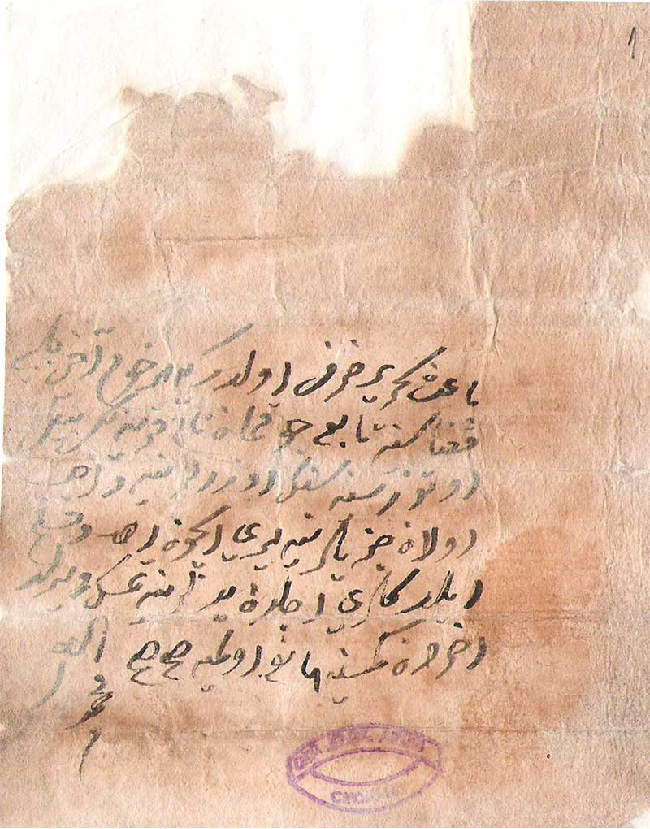
Not everyone exposed to Islam or incorporated into the Islamic world adopted Islam. Many Christians in southeastern Europe and southwest Asia continued to practice their religion within the larger Islamic environment. The expansion of Islam into India occasionally invigorated Hinduism and other religions there. While allowed to practice their religions, people in these non-Muslim communities granted protection by Muslim rulers, called dhimmis, were required to acknowledge the sovereignty of Muslim leadership. The dhimmi system was intended to provide religious minorities with official standing within the Muslim community and grant them legal protection, but it usually also included some restrictions on their public lives, such as their clothing choices, and it limited the jobs they could hold and thus their social mobility. The most common hardship was the jizya, or poll tax (Figure 4.5).
英語のヒント
イスラーム教に接したり、イスラーム世界に組み込まれたりした人が、全員イスラーム教を受け入れたわけではない。ヨーロッパ南東部やアジア南西部の多くのキリスト教徒は、広いイスラーム社会の中で自分たちの宗教を実践し続けた。インドへのイスラーム教の拡大が、現地のヒンドゥー教や他の宗教をかえって活性化することもあった。ムスリムの支配者から保護を与えられた非ムスリム共同体の人々は、ズィンミーと呼ばれた。彼らは自分たちの宗教の実践を認められたが、ムスリム支配者の主権を承認することを求められた。ズィンミー制度は、宗教的少数派にムスリム共同体の中で公的な地位を与え、法的に保護することを目的としていた。しかし通常は、服装の選択など公生活にいくらかの制限が課され、就ける職業、ひいては社会的な上昇の可能性も制限された。最も一般的な負担は、ジズヤ、すなわち人頭税であった(図4.5)。
A Muslim Tax Receipt.ムスリムの納税領収書。
(credit: “Jizya document Chokmanovo 1615” by Unknown/Wikimedia Commons, Public Domain) · Public Domain
Figure 4.5 This receipt issued in 1615 confirms that the inhabitants of an Ottoman village in Bulgaria have paid the jizya tax. (credit: “Jizya document Chokmanovo 1615” by Unknown/Wikimedia Commons, Public Domain)
図4.5 1615年に発行されたこの領収書は、ブルガリアにあるオスマン帝国の村の住民がジズヤを納付したことを証明している。(クレジット:作者不明/Wikimedia Commons「チョクマノヴォのジズヤ文書、1615年」、パブリックドメイン)
Life was often harder for dhimmis than for Muslims of the same social class, and non-Muslims in many places converted to improve their social standing and chances for upward mobility. Merchants often converted to Islam to gain access to Islamic trading networks and potential business partners. Non-Muslim men seeking to marry Muslim women, whether for love or to gain connections to a prominent family, were required to convert. Christian and Jewish women could marry Muslim men without converting, but a Muslim woman could marry only a Muslim man.
英語のヒント
ズィンミーの生活は同じ社会階層のムスリムより厳しいことが多く、多くの地域で非ムスリムは、社会的地位や上昇の機会を改善するために改宗した。商人は、イスラームの交易網や取引相手となりうる人々に接近するため、しばしばイスラーム教に改宗した。ムスリムの女性との結婚を望む非ムスリムの男性は、恋愛のためであれ、有力な家族とのつながりを得るためであれ、改宗する必要があった。キリスト教徒やユダヤ教徒の女性は、改宗せずにムスリムの男性と結婚できたが、ムスリムの女性はムスリムの男性としか結婚できなかった。