第12章インド・インド洋世界・東アジアIndia, the Indian Ocean Basin, and East Asia
Religion and Trade in South and Southeast Asia南アジア・東南アジアの宗教と交易
The growth of Islam gave Muslims a considerable role in world trade, particularly along the Silk Roads and in the Indian Ocean. By the middle of the eighth century, Islam had moved into northern India, and when the Abbasids overthrew the Umayyad dynasty and then moved their capital from Damascus to Baghdad, they established what became one the most important cities along the Silk Roads and a location that allowed them to dominate the growing Indian Ocean trade.
英語のヒント
イスラームの拡大により、ムスリムは世界の交易、特にシルクロードとインド洋で大きな役割を担うようになった。8世紀半ばまでには、イスラームは北インドへ進出していた。アッバース朝がウマイヤ朝を倒し、首都をダマスクスからバグダードへ移すと、そこはやがてシルクロード沿いの最重要都市の一つとなった。その場所は、拡大するインド洋交易をアッバース朝が支配することも可能にした。
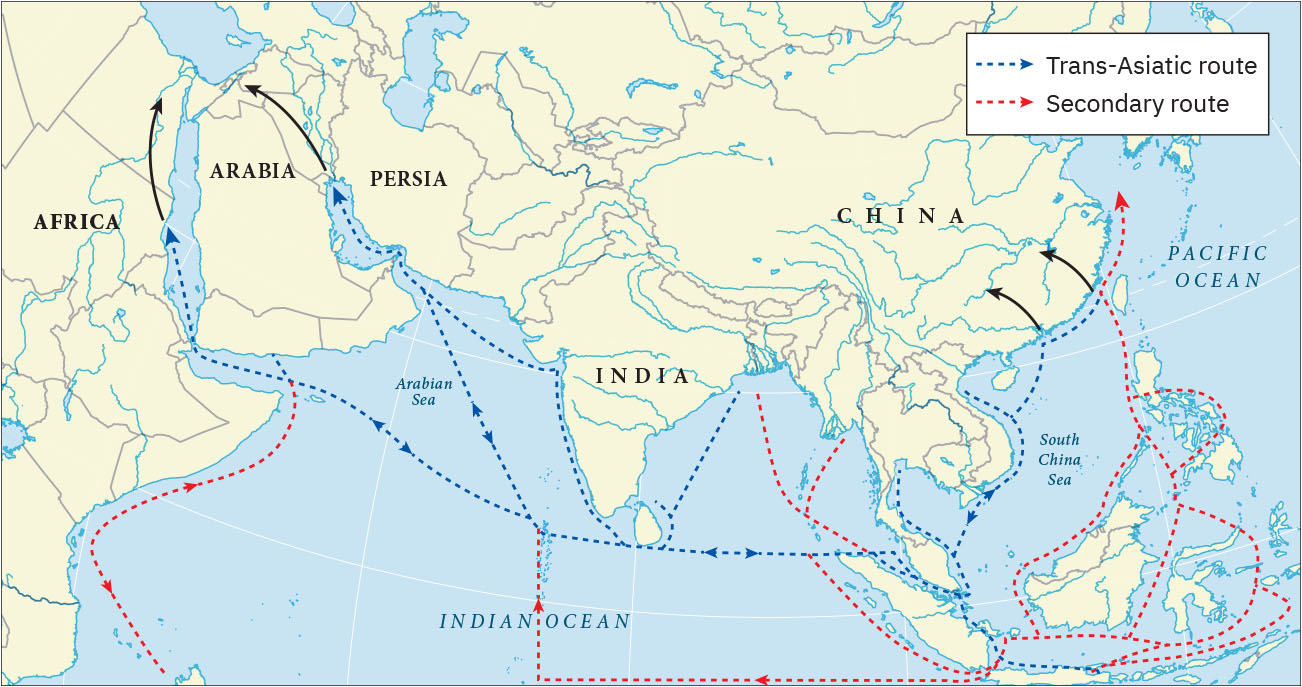
This new capital was situated along the Tigris River, a vital trade conduit to the Persian Gulf and to the Indian Ocean beyond. In the ninth century, the city of Siraf on the Persian Gulf coast was regularly sending ships to China and back and became one of the most important trading ports of this period. However, Siraf’s hold on trade weakened when an earthquake struck and damaged it in 997. Other regions stepped in, including Hormuz, Omar, and particularly Qeys, an island city in the Persian Gulf. Arab expansion into the Indian Ocean trade initially filtered through these ports, but it eventually expanded along the African coast as well (Figure 12.18).
英語のヒント
新首都はティグリス川沿いに位置した。この川は、ペルシア湾とその先のインド洋へ通じる重要な交易の通路だった。9世紀、ペルシア湾岸のスィーラーフは中国へ定期的に船を往復させ、この時代の最重要貿易港の一つとなった。しかし997年の地震で被害を受けると、交易に対するスィーラーフの支配力は弱まった。代わってホルムズ、オマール、特にペルシア湾の島の都市カイスなど、ほかの地域が進出した。アラブ人のインド洋交易への拡大は、当初こうした港を通じて進んだが、やがてアフリカ沿岸にも及んだ(図12.18)。
Indian Ocean Trade Routes.インド洋の交易路
(attribution: Copyright Rice University, OpenStax, under CC BY 4.0 license) · CC BY 4.0
Figure 12.18 In the tenth century, Indian Ocean trade spread from the Red Sea and Persian Gulf down to Africa and around India to China. (attribution: Copyright Rice University, OpenStax, under CC BY 4.0 license)
図12.18 10世紀、インド洋の交易は、紅海やペルシア湾から南のアフリカへ、またインドを回って中国へと広がった。(帰属:© Rice University、OpenStax、CC BY 4.0)
The Muslim presence in northwest India was also an important link in the chain of Indian Ocean trade. Muslim raiders invaded India in the eighth century and came through Khurasan and Ghazni in the late tenth and eleventh centuries and many of the local inhabitants converted to Islam. In Gujarat, just south of the Sindh region, the Hindu Chalukya dynasty still controlled much of the Indian Ocean trade through their key city of Khambhat. However, by the end of the twelfth century, their power was waning. When the Turkic peoples from present-day Afghanistan began to rule the area of Delhi independently as the Delhi Sultanate in 1206, this region slowly came under their influence.
英語のヒント
北西インドのムスリムも、インド洋交易の連鎖をつなぐ重要な存在だった。ムスリムの襲撃勢力は8世紀にインドへ侵入し、10世紀末から11世紀にはホラーサーンやガズニーを経由して進出した。地域住民の多くがイスラームへ改宗した。シンドのすぐ南のグジャラートでは、ヒンドゥー教徒のチャールキヤ朝が、主要都市カンバートを通じて、なおインド洋交易の多くを支配していた。しかし12世紀末までには、その力は衰えつつあった。1206年、現在のアフガニスタンに由来するテュルク系の人々が、デリー・スルタン朝としてデリー一帯を独立して統治し始めると、この地域も徐々にその影響下に入った。
Generations of incursions from Persian dynasties into South Asia meant that Persian influence deeply affected the region. That Persian influence can still be seen today in the language of Urdu in modern-day Pakistan, which combines Hindu and Farsi elements. One portion of the Delhi Sultanate was Gujarat, which the sultan Ala al-Din annexed in 1304 after years of ransacking Gujarati cities. When the central Asian warlord Timur (also called Tamerlane in the West) sacked and captured Delhi at the end of the century, Gujarat split off from the weakened state to become an independent Muslim sultanate under the Tughluq dynasty. The Tughluqs set about subduing the region’s Hindu Rajput chieftains and building a navy at Diu, strategically located along important trade routes between the Arabian Sea and Indian Ocean. Thus, much of the Indian Ocean trade in northwest India fell into the hands of this Islamic state.
英語のヒント
ペルシア系王朝が何世代にもわたり南アジアへ侵入したため、地域にはペルシアの影響が深く刻まれた。現代のパキスタンのウルドゥー語にも、その影響は見られる。原文は、ウルドゥー語がヒンドゥーとペルシア語の要素を組み合わせると説明している。デリー・スルタン朝の領域の一つがグジャラートだった。スルタンのアラー・ウッディーンは、何年にもわたってグジャラートの都市を略奪した後、1304年にこの地を併合した。同世紀末、中央アジアの軍事指導者ティムール(西洋ではタメルランとも呼ばれる)がデリーを攻略・略奪すると、グジャラートは弱体化した国家から分離し、トゥグルク朝のもとで独立したムスリムのスルタン国となった。トゥグルク朝は、この地域のヒンドゥー教徒のラージプート首長たちを服属させ、アラビア海とインド洋の重要な交易路に沿う戦略的な位置のディーウで海軍を建設し始めた。このように、北西インドのインド洋交易の多くは、このイスラーム国家の手中に入った。
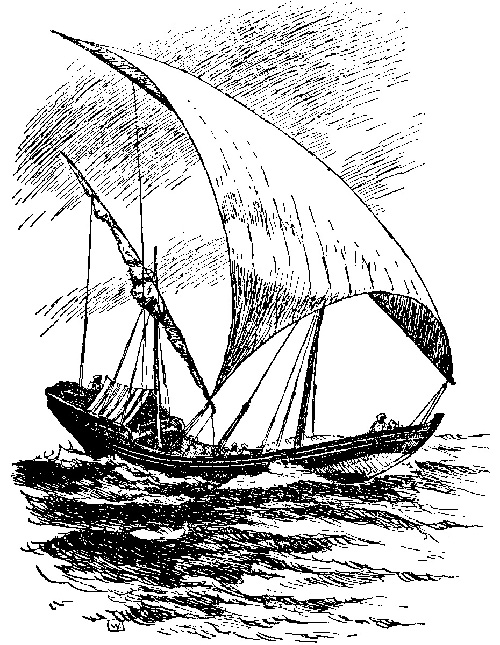
From the decline of the Guptas to the rise of powerful northern Muslim sultanates such as Gujarat, peninsular India was home to the Hindu Chola kingdom, a maritime trade empire. With its vassal states including parts of the modern-day Maldives and Sri Lanka in the south, Chola dominated trade in the nearby portion of the Indian Ocean from about 970 to 1300. Crucially important to its dominance was control of the Palk Strait between Sri Lanka and southern India. The strait acted as a choke point where vessels had to stop to pay taxes, usually a portion of their cargo. Many of these vessels were known as dhows and carried twelve to twenty-four sailors (Figure 12.19).
英語のヒント
グプタ朝の衰退から、グジャラートのような北部の有力なムスリムのスルタン国が台頭するまで、インド半島には海上交易帝国であるヒンドゥー教徒のチョーラ王国があった。南方では現在のモルディブやスリランカの一部などの属国を擁し、970年ごろから1300年ごろにかけて、周辺のインド洋交易を支配した。その優位に決定的に重要だったのが、スリランカと南インドの間にあるポーク海峡の支配だった。海峡は交通の要衝となり、船は立ち寄って、通常は積荷の一部を税として納めなければならなかった。これらの船の多くはダウと呼ばれ、12~24人の船員が乗っていた(図12.19)。
An Arab Dhow.アラブのダウ船
(credit: “Arab Dhow” by The New Gresham Encyclopedia, Vol IV, Part 1/Project Gutenberg, Public Domain) · Public Domain
Figure 12.19 This is an image of a ship called a dhow, with lashed and stitched hull construction and a lateen (triangular) rigged sail, such as Arab merchants used en route to India. (credit: “Arab Dhow” by The New Gresham Encyclopedia, Vol IV, Part 1/Project Gutenberg, Public Domain)
図12.19 ダウと呼ばれる船の図。船体を結び合わせ、縫い合わせて造り、ラテン帆(三角帆)を備える。アラブ商人がインドへ向かう際に使った種類の船である。(出典:『The New Gresham Encyclopedia』第4巻第1部/Project Gutenberg「Arab Dhow」、パブリックドメイン)
Secondary trading also occurred, in which authorized middle merchants conducted exchanges between these larger ships and smaller port cities, a system known as cabotage. In the eleventh century, the Chola were trying to extend and consolidate their control over regional trade. To this end, Rajendra I, the “Victor of the Ganges” (1019–1021), sailed up east India’s Coromandel coast and seized ports with the goal of deepening commercial ties with China, where trade in items such as ivory and glassware were common.
英語のヒント
大きな船と小さな港町の間では、認可を受けた仲介商人による副次的な交易も行われた。この仕組みはカボタージュ、すなわち沿岸交易と呼ばれる。11世紀、チョーラ朝は地域交易への支配を拡大し、強化しようとしていた。そのため「ガンジスの征服者」と称されるラージェーンドラ1世(1019~1021年)は、東インドのコロマンデル海岸を北上し、港を奪った。象牙やガラス製品などの交易が盛んだった中国との商業的な結び付きを深めることが目的だった。
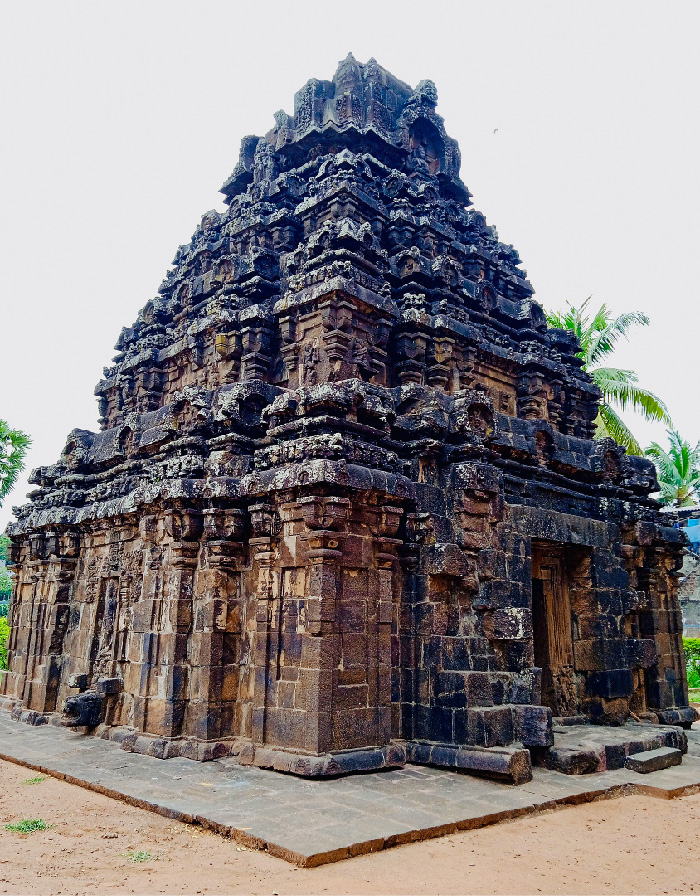
The Chola enjoyed an artistic, architectural, and literary flowering during the tenth and eleventh centuries. This “Imperial Golden Age” saw an explosion in the construction of monumental temples, like the one at Thanjavur on the southeastern coast, in the so-called Chola style—identifiable by such elements as high surrounding walls and stepped, pyramidal towers (Figure 12.20). Many of these sites housed intricately ornamented bronze statues of deities commissioned by the rulers, signifying their prominence, wealth, and devoutness. The golden age of the Chola is also known as the greatest epoch in South Indian literary tradition. One notable work of this tradition is the Ramavataram, a twelfth century Tamil epic written by the poet Kambar that was based on the Ramayana, the Sanskrit epic that told of the exploits of Prince Rama. All of this is a clear reminder that throughout world history, art and architecture tend to flourish when there is economic and political stability to support and sustain those efforts.
英語のヒント
チョーラ朝では、10~11世紀に美術、建築、文学が花開いた。この「帝国の黄金時代」には、巨大な寺院の建設が急増した。南東海岸のタンジャーヴールの寺院のように、高い周壁や階段状のピラミッド形の塔を特徴とする、いわゆるチョーラ様式の建築である(図12.20)。こうした施設の多くには、君主が注文した、精巧な装飾を施す青銅の神像が安置され、支配者の威信、富、信仰の篤さを示していた。この黄金時代は、南インド文学の最盛期としても知られる。代表作の一つが『ラーマーヴァターラム』である。詩人カンバルが12世紀にタミル語で記した叙事詩で、ラーマ王子の功業を物語るサンスクリットの叙事詩『ラーマーヤナ』に基づいている。こうしたことは、世界史を通じて、美術や建築が、それを支え続ける経済的・政治的な安定のある時に栄えやすいことを、はっきり思い起こさせる。
Chola Architecture of the Golden Age.黄金時代のチョーラ建築
(credit: “A Surya temple from Eastern Chalukyas of Vengi era” by G.N. Subrahmanyam/Wikimedia Commons, CC0 1.0) · CC0 1.0
Figure 12.20 This Hindu temple dating from the Chola dynasty’s golden age represents the distinctive stepped-pyramidal shape that was a common feature of Chola architecture. (credit: “A Surya temple from Eastern Chalukyas of Vengi era” by G.N. Subrahmanyam/Wikimedia Commons, CC0 1.0)
図12.20 チョーラ朝の黄金時代に造られたこのヒンドゥー教寺院は、チョーラ建築に共通する、特徴的な階段状のピラミッド形を示している。(出典:G.N. Subrahmanyam/Wikimedia Commons「A Surya temple from Eastern Chalukyas of Vengi era」、CC0 1.0)
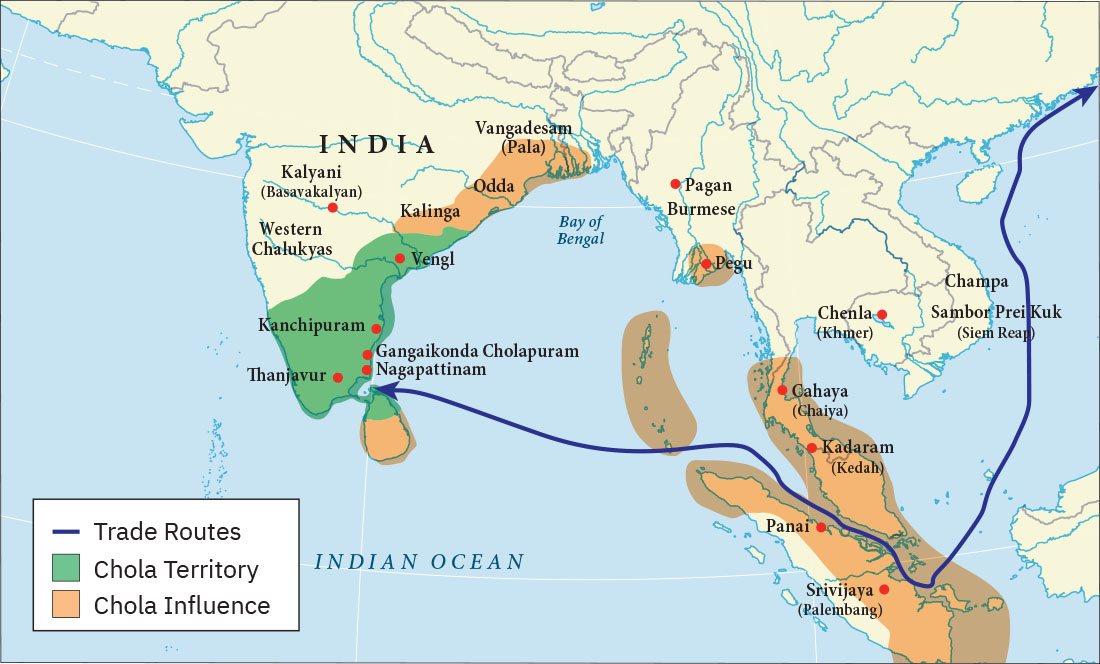
Their golden age would not have been possible had the Chola not controlled trade through the Palk Strait, which generated enormous revenues. The monopolization of choke points was essential to anyone wishing to profit from maritime trade, as the founders of the Srivijaya Empire discovered with their command of the Malacca Strait. Traders sailing from the eastern Indian Ocean to Southeast Asia had to travel through this strait, between today’s Sumatra in the Indonesian archipelago and Malaysia (Figure 12.21). From around 650, Srivijaya profited by managing and taxing the lucrative trade that passed through the strait.
英語のヒント
莫大な収入を生むポーク海峡の交易を支配していなければ、チョーラ朝の黄金時代は実現しなかっただろう。海上交易から利益を得ようとする者には、交通の要衝の独占が欠かせなかった。シュリーヴィジャヤ帝国の創設者たちも、マラッカ海峡を掌握することで、このことを知った。インド洋東部から東南アジアへ航海する商人は、現在のインドネシアの島々に属するスマトラ島とマレーシアの間のこの海峡を通らなければならなかった(図12.21)。650年ごろから、シュリーヴィジャヤは海峡を通る利益の大きな交易を管理し、課税して利益を得た。
Srivijaya Trade Routes.シュリーヴィジャヤの交易路
(attribution: Copyright Rice University, OpenStax, under CC BY 4.0 license) · CC BY 4.0
Figure 12.21 This map shows the maritime trade route of the Srivijaya Empire, which went through the Strait of Malacca, the narrow stretch of water between the Malay Peninsula and the island of Sumatra. For a time, Srivijaya, with its capital at Palembang, controlled most of Southeast Asia’s waterborne trade. (attribution: Copyright Rice University, OpenStax, under CC BY 4.0 license)
図12.21 マレー半島とスマトラ島の間の狭い水道、マラッカ海峡を通る、シュリーヴィジャヤ帝国の海上交易路を示す地図。パレンバンを都とするシュリーヴィジャヤは、一時期、東南アジアの水上交易の大半を支配した。(帰属:© Rice University、OpenStax、CC BY 4.0)
During its early history, Srivijaya was highly influenced by both Buddhist and Hindu traders coming from India. For example, in the Srivijaya capital of Palembang in southern Sumatra stands a magnificent Buddha statue dating from the seventh or eighth century. Sculpted in the highly ornate and detailed Amaravati style still popular in contemporary India and named after the southeastern region where it originally developed, this work attests to the role of trade in spreading art, culture, and ideology. Hindu shrines and temples that still stand also show the depth to which Hinduism penetrated Srivijayan culture and society during this formative period.
英語のヒント
初期のシュリーヴィジャヤは、インドから来る仏教徒とヒンドゥー教徒の商人の双方から強い影響を受けた。たとえば、南スマトラの首都パレンバンには、7~8世紀の壮麗な仏像が立っている。この作品は、当時のインドでもなお人気のあった、装飾豊かで細部の精緻なアマラーヴァティー様式で彫られている。その名は、様式が生まれたインド南東部の地域に由来する。この像は、交易が美術、文化、思想を広める役割を果たしたことを示している。今も残るヒンドゥー教の祠や寺院も、この形成期にヒンドゥー教がシュリーヴィジャヤの文化や社会へいかに深く浸透したかを示している。
By the tenth century, Srivijaya controlled all trade between the Indian Ocean and China. Alarmed by the exorbitant taxes on trade and the threat of piracy the Srivijaya posed, however, the Cholas sent a maritime expedition against them in 1025, crushing their major ports including Palembang and reducing Srivijaya’s power and influence for a time. Although Srivijaya managed to recover somewhat, its grip on maritime trade soon weakened permanently. By the thirteenth century, it had largely been displaced by the port of Malacca, which came to dominate a region that included modern-day Singapore.
英語のヒント
10世紀までに、シュリーヴィジャヤはインド洋と中国の間の交易をすべて支配した。しかし、その法外な交易税と海賊行為の脅威に危機感を抱いたチョーラ朝は、1025年に海軍遠征を送り、パレンバンなど主要港を破壊して、シュリーヴィジャヤの勢力と影響力を一時的に弱めた。シュリーヴィジャヤはいくらか回復したものの、海上交易への支配は、ほどなく恒久的に衰えた。13世紀までには、現在のシンガポールを含む地域を支配するようになったマラッカ港に、おおむね取って代わられていた。
The thirteenth century marks a time of considerable Islamic expansion into Southeast Asia; the Acehnese peoples on the northern tip of Sumatra were the first to embrace the religion. Many merchants in particular converted to Islam, which ensured the safe movement of their goods and protections against loss, especially in the states on the northeast coast of Sumatra such as Perlak and Aru, followed by Pasai in the north, and Malacca, the new maritime center. A further stream of Islamization came with Sufi missionaries. Sufism, a branch of Sunni Islam, blended Islam with local religious traditions, encouraging non-merchants to convert. Over time, Islam came to dominate much of the Malay Peninsula as well as Sumatra and, particularly in the fifteenth century, northern Java.
英語のヒント
13世紀は、東南アジアでイスラームが大きく広がった時代である。最初にこの宗教を受け入れたのは、スマトラ北端のアチェの人々だった。とりわけ多くの商人が改宗した。改宗すれば、商品の安全な移動と損失からの保護が得られたためである。ペルラクやアルーなどスマトラ北東岸の国々でこれが進み、北部のパサイや、新たな海上交通の中心マラッカにも続いた。さらに、スーフィーの布教者もイスラーム化をもたらした。スンナ派イスラームの一分派であるスーフィズムは、イスラームと地域の宗教的伝統を混ぜ合わせ、商人以外の人々の改宗を促した。やがてイスラームは、マレー半島とスマトラの多く、そして特に15世紀にはジャワ北部でも優勢となった。
Hinduism, like Islam, grew in Southeast Asia during the later Middle Ages. In the twelfth century, for example, construction began on the great temple complex of Angkor Wat in Cambodia. Dedicated to Vishnu, Angkor Wat was meant to serve as the state temple, funerary complex, and capital city of the reigning monarch Suryavarman II. Hindu motifs decorated the exterior of the structure in bas relief form, featuring images of the gods and scenes from the epic Indian poem Mahabharata, while the temple’s five towers were meant to represent Mount Meru, the dwelling place of the gods in Hindu religion. By the end of the twelfth century, however, the complex had been transformed into a Buddhist center of worship.
英語のヒント
中世後期の東南アジアでは、イスラームと同じくヒンドゥー教も広がった。たとえば12世紀、カンボジアで巨大な寺院群アンコール・ワットの建設が始まった。ヴィシュヌに捧げられ、在位中の王スーリヤヴァルマン2世の国家寺院、葬祭施設、都として機能することを意図していた。建物の外面は、神々の姿やインドの叙事詩『マハーバーラタ』の場面を描く、ヒンドゥー教の浮彫で飾られた。寺院の五つの塔は、ヒンドゥー教で神々が住むとされるメール山を表していた。しかし12世紀末までには、この施設群は仏教の礼拝の中心に変わっていた。