第10章信仰と帝国Empires of Faith
Religious Influence at the End of Antiquity古代末期の宗教的影響
The arrival of new traditions of faith was a defining feature of Late Antiquity, and state-sponsored religion was a critical element in the conduct of empires’ relations with one another and with their own subjects. An increasing number of individuals in Late Antiquity came to identify themselves not as citizens of a particular location or even an empire, but as members of the community associated with their religion.
英語のヒント
新しい信仰の伝統の到来は、古代末期を特徴づける重要な要素だった。また、国家が支援する宗教は、帝国同士や、帝国と自国の臣民との関係を営むうえで、重要な役割を持った。この時代には、自分を特定の土地の市民、あるいは帝国の市民と捉えるより、自分の宗教に結びつく共同体の一員と認識する人が、増えていった。
Unlike paganism, Christianity was a proselytizing religion; that is, Christian leaders hoped to convert others to their faith. Elite Christian thinkers disseminated religious knowledge to a wide audience and strove to construct a single agreed-upon narrative of what Christian identity meant. Theological writings, ecumenical councils, and the interpretation of Christian rituals were all part of this meticulous effort, and ongoing participation in the defining of belief and practice were instrumental in Christianity’s spread during this period.
英語のヒント
異教とは異なり、キリスト教は布教する宗教だった。つまり、その指導者たちは、ほかの人々を自分たちの信仰へ改宗させようとした。上層のキリスト教思想家は、広い読者や聴衆へ宗教知識を伝え、キリスト教徒であるとは何を意味するかについて、一つの合意された説明を築こうと努めた。神学の著作、公会議、キリスト教の儀礼の解釈は、いずれもこの念入りな努力の一部だった。信仰と実践の意味を定める作業に継続して参加することが、この時代のキリスト教の拡大を支えた。
The running of the state also became intimately tied to religion and religious policy, as the policies of Justinian and other Christian emperors and the institution of Zoroastrianism in the Sasanian Empire show. The Aksumites and Himyarites too, although they embraced different faiths, used religious imagery in their inscriptions and monumental buildings. Each empire’s elite endorsed this kind of religious messaging, converting to the new faith in great numbers, while the general populace in Late Antique communities often remained religiously diverse.
英語のヒント
ユスティニアヌスやほかのキリスト教徒の皇帝の政策、そしてサーサーン朝でのゾロアスター教の制度化が示すように、国家の運営は宗教と宗教政策に、深く結びつくようになった。アクスム人とヒムヤル人も、受け入れた信仰こそ違ったが、碑文や記念建築に宗教的な図像を用いた。各帝国の上層層は、こうした宗教的メッセージを支持し、大勢が新しい信仰へ改宗した。対して古代末期の一般の民衆の間には、宗教的な多様性が残ることが多かった。
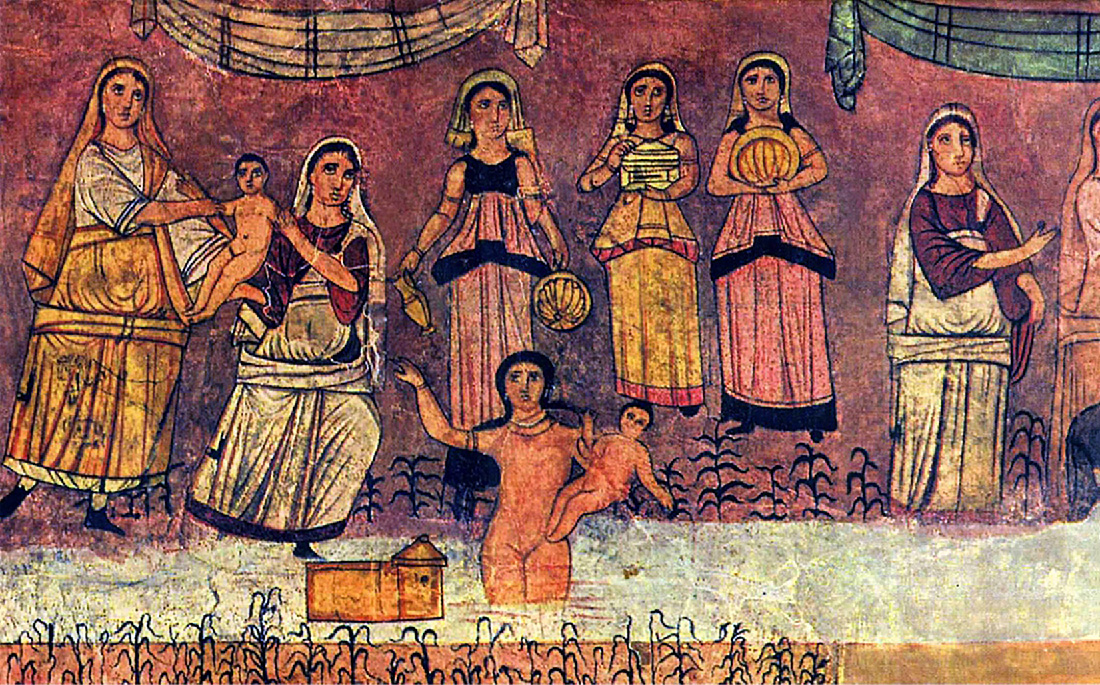
Judaism became a religion without a firm geographic center after the Romans destroyed the Second Temple in Jerusalem in the first century CE. The Jewish diaspora refers to the subsequent dispersion of believers out of the traditional Jewish homeland of Israel/Palestine, which led Jewish groups around the Mediterranean to feel a sense of displacement and the need to form a community. Though some of their individual practices may have differed, those in locations as varied as Spain and southern Arabia could largely agree on the tenets of their faith. In Late Antiquity, Christian theologians’ attitudes toward Jewish people hardened, and restrictive laws were instituted by the Byzantine emperors. Yet despite these hostilities, Jewish culture flourished, especially in Palestine, resulting in the construction of many new synagogues and art (Figure 10.17).
英語のヒント
紀元後1世紀にローマ人がエルサレムの第二神殿を破壊した後、ユダヤ教は、地理的な中心をしっかり持たない宗教となった。ユダヤ人のディアスポラとは、その後、信徒が伝統的な故郷イスラエル/パレスチナの外へ離散したことを指す。地中海各地のユダヤ人集団は、故郷から切り離された感覚と、共同体を形成する必要を抱くようになった。個々の慣行には違いがあったとしても、スペインから南アラビアまで、きわめて異なる場所にいる人々は、信仰の教義ではおおむね一致できた。古代末期には、キリスト教神学者のユダヤ人に対する態度が硬化し、ビザンツ皇帝が制限的な法律を設けた。それでもユダヤ文化は、特にパレスチナで栄え、多くの新しいシナゴーグや美術作品が作られた(図10.17)。
The Finding of Moses.モーセの発見
(credit: “Dura Europos fresco Moses from river” by Unknown/Wikimedia Commons, Public Domain) · Public Domain
Figure 10.17 This wall painting from a third-century synagogue in the city of Dura-Europos, in modern-day Syria, is one of many with biblical themes. It depicts the discovery by the pharaoh’s daughter of the infant Moses in the Nile River. (credit: “Dura Europos fresco Moses from river” by Unknown/Wikimedia Commons, Public Domain)
図10.17 現在のシリアにあるドゥラ・エウロポスの、3世紀のシナゴーグの壁画。聖書を題材にした多くの壁画の一つで、ファラオの娘がナイル川で幼子モーセを発見する場面を描く。(クレジット:「Dura Europos fresco Moses from river」、作者不明/Wikimedia Commons、パブリックドメイン)
Christians marked their devotion in numerous ways during this period. One was asceticism, a form of self-denial that includes foregoing bodily pleasures and adopting a life of chastity, virginity, and renunciation of normal society. Monasteries that housed groups devoted to the ascetic life spread across the empire, usually in remote locations and often in the desert. Despite their isolation, however, many accepted visitors, so that the reputation of various holy people might spread to Christians everywhere. Many ascetics played a leading role in their communities, sometimes extending beyond the realm of civil behavior. For example, Late Antiquity witnessed a surge in violence carried out by ascetic monks against nonbelievers in cities of the empire, in an effort to preserve a sort of “pure” Christianity.
英語のヒント
この時代、キリスト教徒はさまざまな方法で信仰を示した。その一つが禁欲である。身体的な快楽を断ち、貞潔、独身、通常の社会生活の放棄を選ぶ、自己抑制のあり方だった。禁欲生活にささげる集団を収容する修道院が、帝国各地に広がった。その場所は通常、人里離れ、砂漠にあることも多かった。隔絶していても、多くの修道院は訪問者を受け入れた。聖なる人々の名声が、各地のキリスト教徒へ広まるようにするためだった。多くの禁欲者は共同体の指導的な役割を担い、その行動が時に、穏当な社会的振る舞いの範囲を越えることもあった。たとえば古代末期には、ある種の「純粋な」キリスト教を守ろうとして、禁欲的な修道士が帝国の都市で非信徒へ加える暴力が急増した。
Despite continuing efforts to define proper Christian orthodoxy, regional differences among religious sects persisted during this time. For example, a crucial divide developed between urban and rural devotion. Saint Anthony was perhaps the most famous of the so-called Desert Fathers who in the third century chose to give up his possessions and practice asceticism in the Egyptian desert. These ascetics attracted followers, and as a result monasteries and hermitages flourished in less hospitable areas. Monasteries such as Kellia in the Egyptian desert housed a community of monks who lived together but had some contact with the surrounding region, while hermitages were places of more extreme seclusion for the religiously devout. By contrast, churches and synagogues were located in often crowded cities, where attendance at services was a daily life for laypeople. But these religious centers had to compete with other concerns for people’s attention. Evidence suggests that elements of religious devotion that originated from the polytheistic environment of earlier centuries also persisted, such as home shrines, magical spells, and other private practices.
英語のヒント
キリスト教の正統教義を適切に定めようとする努力が続いても、この時代には、宗派間の地域的な差異が残った。たとえば、都市と農村の信仰のあり方には、大きな隔たりが生まれた。聖アントニオスは、いわゆる「砂漠の師父」の中で、おそらく最も有名な人物である。3世紀に財産を捨て、エジプトの砂漠で禁欲生活を実践することを選んだ。こうした禁欲者に信奉者が集まり、暮らしにくい土地で修道院や隠修所が栄えた。エジプトの砂漠のケリアのような修道院には、共同生活をしながら周囲ともいくらか接触する修道士の共同体があった。対して隠修所は、信仰に篤い者がさらに徹底して隔絶する場所だった。都市の教会やシナゴーグは、これとは対照的に、しばしば混み合う市街地にあり、一般信徒にとって礼拝への参加は日常生活の一部だった。しかし、人々の注意を引くためには、ほかの関心事と競わなければならなかった。証拠からは、家庭の祠、呪文、私的な実践など、以前の多神教的な環境に起源を持つ信仰の要素も、存続していたことがうかがえる。
On a larger scale, geographic divisions produced different types of devotion. Aksum in Ethiopia embraced a unique version of Christianity because of its relative isolation from the rest of the Christian world. In the Mediterranean as well, people of the same faith could differ in their experience of the same religion. For example, Nestorian Christianity emerged in the fifth century in the debates about Christ’s divinity, claiming that Jesus existed as two individuals—human and divine. Though officially rejected by the church in the ecumenical Council of Chalcedon in 451, Nestorius’s teachings flourished in Persia and spread eastward due to the efforts of missionaries.
英語のヒント
さらに大きな範囲でも、地理的な隔たりは、異なる信仰のあり方を生んだ。エチオピアのアクスムは、キリスト教世界のほかの地域から比較的隔てられていたため、独特なキリスト教を受け入れた。地中海でも、同じ信仰に属する人々が、同じ宗教を違った仕方で経験することがあった。たとえば、5世紀のキリストの神性をめぐる論争からネストリウス派のキリスト教が生まれ、イエスは人間と神という二つの個体として存在すると主張した。451年のカルケドン公会議では、教会によって正式に退けられたが、ネストリウスの教えはペルシアで栄え、宣教師の働きによって東方へ広がった。
Section Summary節のまとめ
Two kingdoms flourished on the periphery of the Byzantine and Sasanian Empires in Late Antiquity. In East Africa, Aksum oversaw a trade network with a wide geographic scope. King Ezana’s conversion to Christianity in the fourth century was a seminal moment for the empire because it was then able to use religious motivation to conduct a military campaign in southern Arabia. Here, the Himyarite Empire subsumed local groups to become a unified state that converted to Judaism sometime in the fifth century CE.
英語のヒント
古代末期には、ビザンツ帝国とサーサーン朝の周辺で、二つの王国が栄えた。東アフリカのアクスムは、広い地理的範囲の交易網を統括した。4世紀のエザナ王のキリスト教への改宗は、帝国の重要な転機だった。その後、宗教的な動機を使って、南アラビアへの遠征を行えるようになったからである。南アラビアでは、ヒムヤル帝国が地元の集団を取り込み、統一国家となった。この国家は、紀元後5世紀のいずれかの時点で、ユダヤ教へ改宗した。
These two kingdoms demonstrate the diversity of Late Antique societies because each had to manage its disparate populations and interact with different regional powers. Their history also shows the political motivations of their governments’ religious policies. While the use of religion to justify administrative and military campaigns was a hallmark of Late Antique life, ordinary people expressed their individual faiths in a variety of ways.
英語のヒント
二王国は、それぞれ多様な住民を統治し、異なる地域勢力と関わる必要があった。そのことが、古代末期の社会の多様性を示している。両国の歴史は、政府の宗教政策に政治的な動機があったことも示す。宗教を用いて行政や軍事行動を正当化することは、古代末期を特徴づけていた。しかし、普通の人々は、一人ひとりの信仰を、さまざまな形で表していた。