第14章ストレス、生活習慣、健康
14.5 The Pursuit of Happiness14.5 幸福の追求
Learning Objectives学習目標
By the end of this section, you will be able to:
この節を学び終えると、次のことができるようになる。
- Define and discuss happiness, including its determinants幸福を定義し、その決定要因も含めて論じる
- Describe the field of positive psychology and identify the kinds of problems it addressesポジティブ心理学の分野を説明し、それが扱う問題の種類を挙げる
- Explain the meaning of positive affect and discuss its importance in health outcomesポジティブ感情の意味を説明し、健康上の結果におけるその重要性を論じる
- Describe the concept of flow and its relationship to happiness and fulfillmentフローの概念と、それが幸福や充実とどう関係するかを説明する
Although the study of stress and how it affects us physically and psychologically is fascinating, it is—admittedly—somewhat of a grim topic. Psychology is also interested in the study of a more upbeat and encouraging approach to human affairs—the quest for happiness.
英語のヒント
ストレスと、それが私たちに身体的・心理的にどう影響するかについての研究は興味深いが、正直に言えば、いくぶん気の重いテーマである。心理学は、人間の営みに対するもっと明るく前向きなアプローチ、すなわち幸福の探求の研究にも関心を持っている。
Happiness幸福
America’s founders declared that its citizens have an unalienable right to pursue happiness. But what is happiness? When asked to define the term, people emphasize different aspects of this elusive state. Indeed, happiness is somewhat ambiguous and can be defined from different perspectives (Martin, 2012). Some people, especially those who are highly committed to their religious faith, view happiness in ways that emphasize virtuosness, reverence, and enlightened spirituality. Others see happiness as primarily contentment—the inner peace and joy that come from deep satisfaction with one’s surroundings, relationships with others, accomplishments, and oneself. Still others view happiness mainly as pleasurable engagement with their personal environment—having a career and hobbies that are engaging, meaningful, rewarding, and exciting. These differences, of course, are merely differences in emphasis. Most people would probably agree that each of these views, in some respects, captures the essence of happiness.
英語のヒント
アメリカの建国者たちは、国民には幸福を追求する不可侵の権利があると宣言した。では、幸福とは何だろうか。この言葉を定義するよう求められると、人々は、このとらえがたい状態のさまざまな側面を強調する。実際、幸福はいくぶんあいまいであり、さまざまな観点から定義しうる(Martin, 2012)。ある人々、とくに宗教的信仰に深く打ち込んでいる人々は、徳の高さ、畏敬の念、悟りを得た精神性を強調する形で幸福をとらえる。別の人々は、幸福を主に満ち足りた気持ち、すなわち自分の環境、他者との関係、成し遂げたこと、そして自分自身に深く満足していることから生まれる、内面の平穏と喜びとみなす。さらに別の人々は、幸福を主に、自分の身の回りの環境との楽しい関わり、すなわち夢中になれて、意味があり、やりがいがあり、わくわくするような職業や趣味を持つことととらえる。もちろん、こうした違いは強調点の違いにすぎない。これらの見方のどれもが、ある点では幸福の本質をとらえているという考えに、ほとんどの人はおそらく同意するだろう。
Elements of Happiness幸福の要素
Some psychologists have suggested that happiness consists of three distinct elements: the pleasant life, the good life, and the meaningful life, as shown in Figure 14.25 (Seligman, 2002; Seligman, Steen, Park, & Peterson, 2005). The pleasant life is realized through the attainment of day-to-day pleasures that add fun, joy, and excitement to our lives. For example, evening walks along the beach and a fulfilling sex life can enhance our daily pleasure and contribute to the pleasant life. The good life is achieved through identifying our unique skills and abilities and engaging these talents to enrich our lives; those who achieve the good life often find themselves absorbed in their work or their recreational pursuits. The meaningful life involves a deep sense of fulfillment that comes from using our talents in the service of the greater good: in ways that benefit the lives of others or that make the world a better place. In general, the happiest people tend to be those who pursue the full life—they orient their pursuits toward all three elements (Seligman et al., 2005).
英語のヒント
一部の心理学者は、図14.25に示すように、幸福は三つの異なる要素、すなわち楽しい人生、良い人生、意味のある人生から成ると示唆している(Seligman, 2002; Seligman, Steen, Park, & Peterson, 2005)。楽しい人生は、生活に面白さ、喜び、興奮を加える日常の快楽を得ることによって実現される。たとえば、夕方に海辺を散歩することや、満ち足りた性生活は、日々の快楽を高め、楽しい人生に寄与しうる。良い人生は、自分独自の技能や能力を見いだし、その才能を生かして自分の人生を豊かにすることによって達成される。良い人生を達成した人は、気がつくと仕事や余暇の活動に没頭していることが多い。意味のある人生には、より大きな善のために、つまり他者の人生のためになるような形や、世界をより良い場所にするような形で、自分の才能を使うことから生まれる深い充実感が伴う。一般に、最も幸福な人々は、完全な人生を追求する人々である傾向がある。そうした人々は、自分の営みを三つの要素のすべてに向けている(Seligman et al., 2005)。
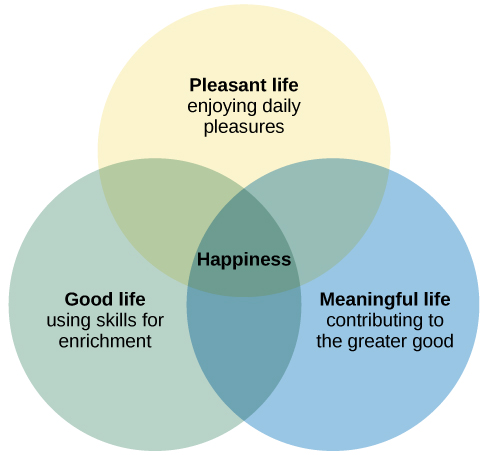

Figure 14.25図 14.25
Happiness is an enduring state of well-being involving satisfaction in the pleasant, good, and meaningful aspects of life.
幸福とは、人生の楽しい側面、良い側面、意味のある側面への満足を含む、持続的なウェルビーイングの状態である。
For practical purposes, a precise definition of happiness might incorporate each of these elements: an enduring state of mind consisting of joy, contentment, and other positive emotions, plus the sense that one’s life has meaning and value (Lyubomirsky, 2001). The definition implies that happiness is a long-term state—what is often characterized as subjective well-being—rather than merely a transient positive mood we all experience from time to time. It is this enduring happiness that has captured the interests of psychologists and other social scientists.
英語のヒント
実用上、幸福の厳密な定義は、これらの要素をそれぞれ組み込んだものになるかもしれない。すなわち、喜び、満ち足りた気持ち、その他のポジティブな感情から成る持続的な心の状態に、自分の人生には意味と価値があるという感覚を加えたものである(Lyubomirsky, 2001)。この定義は、幸福が、誰もがときおり経験する一時的なポジティブな気分にすぎないものではなく、長期的な状態、すなわちしばしば主観的ウェルビーイングと特徴づけられるものであることを含意している。心理学者やほかの社会科学者の関心をとらえてきたのは、まさにこの持続的な幸福なのである。
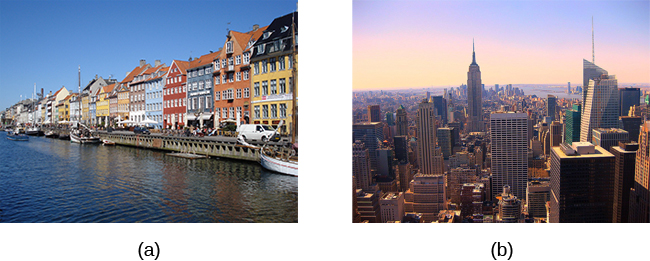
The study of happiness has grown dramatically in the last three decades (Diener, 2013). One of the most basic questions that happiness investigators routinely examine is this: How happy are people in general? The average person in the world tends to be relatively happy and tends to indicate experiencing more positive feelings than negative feelings (Diener, Ng, Harter, & Arora, 2010). When asked to evaluate their current lives on a scale ranging from 0 to 10 (with 0 representing “worst possible life” and 10 representing “best possible life”), people in more than 150 countries surveyed from 2010–2012 reported an average score of 5.2. People who live in North America, Australia, and New Zealand reported the highest average score at 7.1, whereas those living Sub-Saharan Africa reported the lowest average score at 4.6 (Helliwell, Layard, & Sachs, 2013). Worldwide, the five happiest countries are Denmark, Norway, Switzerland, the Netherlands, and Sweden; the United States is ranked 17th happiest (Figure 14.26) (Helliwell et al., 2013).
英語のヒント
幸福の研究は、この30年で劇的に増えた(Diener, 2013)。幸福の研究者が決まって検討する最も基本的な問いの一つは、次のようなものである。人々は一般に、どのくらい幸福なのだろうか。世界の平均的な人は比較的幸福である傾向があり、ネガティブな感情よりもポジティブな感情を多く経験していると答える傾向がある(Diener, Ng, Harter, & Arora, 2010)。2010〜2012年に調査された150を超える国々の人々は、0から10までの尺度(0は「考えうる最悪の人生」、10は「考えうる最良の人生」を表す)で現在の自分の人生を評価するよう求められると、平均5.2点と報告した。北アメリカ、オーストラリア、ニュージーランドに住む人々は7.1点で最も高い平均点を報告し、一方でサハラ以南のアフリカに住む人々は4.6点で最も低い平均点を報告した(Helliwell, Layard, & Sachs, 2013)。世界全体で見ると、最も幸福な5か国はデンマーク、ノルウェー、スイス、オランダ、スウェーデンであり、アメリカは17番目に幸福な国に位置づけられている(図14.26)(Helliwell et al., 2013)。
OpenStax, Rice University; Psychology 2e. (credit a: modification of work by "JamesZ_Flickr"/Flickr; credit b: modification of work by Ryan Swindell) · CC BY 4.0 · Source出典

Figure 14.26図 14.26
(a) Surveys of residents in over 150 countries indicate that Denmark has the happiest citizens in the world. (b) Americans ranked the United States as the 17th happiest country in which to live. (credit a: modification of work by "JamesZ_Flickr"/Flickr; credit b: modification of work by Ryan Swindell)
(a)150を超える国々の住民を対象とした調査から、デンマークの国民が世界で最も幸福であることが示されている。(b)アメリカ人は、アメリカを住むのに17番目に幸福な国と評価した。(出典a:"JamesZ_Flickr"/Flickrの作品を改変、出典b:Ryan Swindellの作品を改変)
Several years ago, a Gallup survey of more than 1,000 U.S. adults found that 52% reported that they were “very happy.” In addition, more than 8 in 10 indicated that they were “very satisfied” with their lives (Carroll, 2007). However, a recent poll found that only 42% of American adults report being "very happy." The groups that show the greatest declines in happiness are people of color, those who have not completed a college education, and those who politically identify as Democrats or independents (McCarthy, 2020). These results suggest that challenging economic conditions may be related to declines in happiness. Of course, this interpretation implies that happiness is closely tied to one's finances. But, is it? What factors influence happiness?
英語のヒント
数年前、1,000人を超えるアメリカの成人を対象にしたギャラップ社の調査で、52%が「とても幸福だ」と答えたことが分かった。さらに、10人に8人を超える人が、自分の人生に「とても満足している」と答えた(Carroll, 2007)。しかし、最近の世論調査では、「とても幸福だ」と答えるアメリカの成人は42%にとどまった。幸福の低下が最も大きい集団は、有色人種の人々、大学教育を修了していない人々、そして政治的に民主党支持者または無党派と自認する人々である(McCarthy, 2020)。これらの結果は、厳しい経済状況が幸福の低下と関連しているかもしれないことを示唆している。もちろん、この解釈は、幸福が個人の経済状態と密接に結びついていることを含意している。しかし、本当にそうだろうか。幸福に影響する要因は何だろうか。