第14章ストレス、生活習慣、健康
Social Supportソーシャル・サポート
The need to form and maintain strong, stable relationships with others is a powerful, pervasive, and fundamental human motive (Baumeister & Leary, 1995). Building strong interpersonal relationships with others helps us establish a network of close, caring individuals who can provide social support in times of distress, sorrow, and fear. Social support can be thought of as the soothing impact of friends, family, and acquaintances (Baron & Kerr, 2003). Social support can take many forms, including advice, guidance, encouragement, acceptance, emotional comfort, and tangible assistance (such as financial help). Thus, other people can be very comforting to us when we are faced with a wide range of life stressors, and they can be extremely helpful in our efforts to manage these challenges. Even in nonhuman animals, species mates can offer social support during times of stress. For example, elephants seem to be able to sense when other elephants are stressed and will often comfort them with physical contact—such as a trunk touch—or an empathetic vocal response (Krumboltz, 2014).
英語のヒント
他者と強く安定した関係を築き、それを保ちたいという欲求は、強力で、広く行き渡った、人間の根本的な動機である(Baumeister & Leary, 1995)。他者と強い対人関係を築くことは、苦悩や悲しみ、恐れのときにソーシャル・サポートを提供してくれる、親しく思いやりのある人々のネットワークをつくる助けになる。ソーシャル・サポートは、友人、家族、知人がもたらす、心を落ち着かせる影響とみなせる(Baron & Kerr, 2003)。ソーシャル・サポートはさまざまな形をとりうる。そこには、助言、指導、励まし、受容、感情面での慰め、目に見える具体的な援助(金銭的な援助など)が含まれる。したがって、さまざまな人生のストレッサーに直面したとき、他者は私たちにとって大きな慰めになりうるし、こうした困難に対処しようとする私たちの努力にとって、きわめて役立つ存在にもなりうる。人間以外の動物でさえ、同じ種の仲間がストレスのときにソーシャル・サポートを与えることがある。たとえばゾウは、ほかのゾウがストレスを受けているときにそれを感じ取ることができるようで、鼻で触れるといった身体的な接触や、共感的な発声によって、しばしば相手をなだめる(Krumboltz, 2014)。
Scientific interest in the importance of social support first emerged in the 1970s when health researchers developed an interest in the health consequences of being socially integrated (Stroebe & Stroebe, 1996). Interest was further fueled by longitudinal studies showing that social connectedness reduced mortality. In one classic study, nearly 7,000 Alameda County, California, residents were followed over 9 years. Those who had previously indicated that they lacked social and community ties were more likely to die during the follow-up period than those with more extensive social networks. Compared to those with the most social contacts, isolated men and women were, respectively, 2.3 and 2.8 times more likely to die. These trends persisted even after controlling for a variety of health-related variables, such as smoking, alcohol consumption, self-reported health at the beginning of the study, and physical activity (Berkman & Syme, 1979).
英語のヒント
ソーシャル・サポートの重要性に対する科学的な関心が最初に生まれたのは1970年代で、健康の研究者たちが、社会に統合されていることが健康にもたらす結果に関心を抱いたときだった(Stroebe & Stroebe, 1996)。その関心は、社会的なつながりが死亡率を低下させることを示した縦断的研究によって、さらにかき立てられた。ある古典的研究では、カリフォルニア州アラメダ郡の住民7000人近くが9年間にわたって追跡された。以前の時点で社会的なつながりや地域とのつながりがないと回答していた人は、より広い社会的ネットワークを持つ人に比べて、追跡期間中に死亡する可能性が高かった。社会的な接触が最も多い人に比べて、孤立した男性と女性は、それぞれ2.3倍と2.8倍、死亡する可能性が高かった。こうした傾向は、喫煙、飲酒、研究開始時点での自己報告による健康状態、身体活動など、健康にかかわるさまざまな変数を統制した後でも続いた(Berkman & Syme, 1979)。
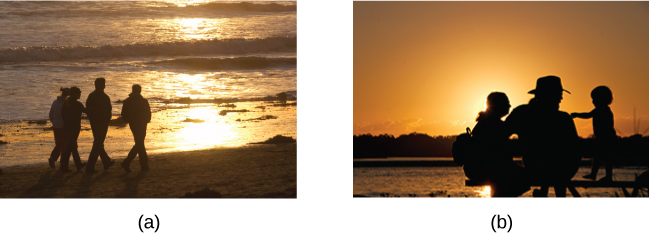
Since the time of that study, social support has emerged as one of the well-documented psychosocial factors affecting health outcomes (Uchino, 2009). A statistical review of 148 studies conducted between 1982 and 2007 involving over 300,000 participants concluded that individuals with stronger social relationships have a 50% greater likelihood of survival compared to those with weak or insufficient social relationships (Holt-Lunstad, Smith, & Layton, 2010). According to the researchers, the magnitude of the effect of social support observed in this study is comparable with quitting smoking and exceeded many well-known risk factors for mortality, such as obesity and physical inactivity (Figure 14.23).
英語のヒント
その研究以来、ソーシャル・サポートは、健康上の結果に影響を与える心理社会的要因の中でも、十分に裏づけられたものの一つとなった(Uchino, 2009)。1982年から2007年までに行われ、合わせて30万人を超える参加者を含む148の研究を統計的に検討したレビューは、社会的関係の強い人は、社会的関係が弱いか不十分な人に比べて、生存の可能性が50%高いと結論づけた(Holt-Lunstad, Smith, & Layton, 2010)。研究者たちによれば、この研究で見られたソーシャル・サポートの効果の大きさは、禁煙の効果に匹敵し、肥満や身体的な不活動など、死亡のよく知られた危険因子の多くを上回っていた(図14.23)。
OpenStax, Rice University; Psychology 2e. (credit a: modification of work by "Damian Gadal_Flickr"/Flickr; credit b: modification of work by Christian Haugen) · CC BY 4.0 · Source出典

Figure 14.23図 14.23
Close relationships with others, whether (a) a group of friends or (b) a family circle, provide more than happiness and fulfillment—they can help foster good health. (credit a: modification of work by "Damian Gadal_Flickr"/Flickr; credit b: modification of work by Christian Haugen)
他者との親密な関係は、(a)友人の集まりであれ(b)家族の輪であれ、幸福や充実感以上のものをもたらす。良い健康を育む助けにもなりうるのである。(出典a:“Damian Gadal_Flickr”/Flickrの作品を改変、出典b:Christian Haugenの作品を改変)
A number of large-scale studies have found that individuals with low levels of social support are at greater risk of mortality, especially from cardiovascular disorders (Brummett et al., 2001). Further, higher levels of social support have been linked to better survival rates following breast cancer (Falagas et al., 2007) and infectious diseases, especially HIV infection (Lee & Rotheram-Borus, 2001). In fact, a person with high levels of social support is less likely to contract a common cold. In one study, 334 participants completed questionnaires assessing their sociability; these individuals were subsequently exposed to a virus that causes a common cold and monitored for several weeks to see who became ill. Results showed that increased sociability was linearly associated with a decreased probability of developing a cold (Cohen, Doyle, Turner, Alper, & Skoner, 2003).
英語のヒント
多くの大規模な研究で、ソーシャル・サポートの水準が低い人は、死亡の危険、とくに心血管疾患による死亡の危険が高いことが見いだされている(Brummett et al., 2001)。さらに、ソーシャル・サポートの水準が高いことは、乳がん(Falagas et al., 2007)や感染症、とくにHIV感染(Lee & Rotheram-Borus, 2001)の後の生存率の高さと関連づけられてきた。実際、ソーシャル・サポートの水準が高い人は、かぜをひく可能性が低い。ある研究では、334人の参加者が自分の社交性を評価する質問紙に回答した。その後、この人たちはかぜを引き起こすウイルスにさらされ、誰が発症するかを確かめるために数週間にわたって観察された。その結果、社交性の高さが、かぜを発症する確率の低さと直線的に関連していることが示された(Cohen, Doyle, Turner, Alper, & Skoner, 2003)。
For many of us, friends are a vital source of social support. But what if you find yourself in a situation in which you have few friends and companions? Many students who leave home to attend and live at college experience drastic reductions in their social support, which makes them vulnerable to anxiety, depression, and loneliness. Social media can sometimes be useful in navigating these transitions (Raney & Troop Gordon, 2012) but might also cause increases in loneliness (Hunt, Marx, Lipson, & Young, 2018). For this reason, many colleges have designed first-year programs, such as peer mentoring (Raymond & Shepard, 2018), that can help students build new social networks. For some people, our families—especially our parents—are a major source of social support.
英語のヒント
私たちの多くにとって、友人はソーシャル・サポートの欠かせない源である。しかし、友人や仲間がほとんどいない状況に自分が置かれたらどうだろうか。大学に通い大学で暮らすために家を離れる学生の多くは、ソーシャル・サポートが大幅に減り、そのために不安、抑うつ、孤独に陥りやすくなる。ソーシャルメディアは、こうした移行期を乗り切るのに役立つこともある(Raney & Troop Gordon, 2012)が、孤独を増やす原因にもなるかもしれない(Hunt, Marx, Lipson, & Young, 2018)。このため、多くの大学は、ピア・メンタリング(Raymond & Shepard, 2018)のような、学生が新しい社会的ネットワークを築く助けとなる1年生向けのプログラムを設けている。人によっては、家族、とくに親がソーシャル・サポートの主な源となる。
Social support appears to work by boosting the immune system, especially among people who are experiencing stress (Uchino, Vaughn, Carlisle, & Birmingham, 2012). In a pioneering study, spouses of cancer patients who reported high levels of social support showed indications of better immune functioning on two out of three immune functioning measures, compared to spouses who were below the median on reported social support (Baron, Cutrona, Hicklin, Russell, & Lubaroff, 1990). Studies of other populations have produced similar results, including those of spousal caregivers of dementia sufferers, medical students, elderly adults, and cancer patients (Cohen & Herbert, 1996; Kiecolt-Glaser, McGuire, Robles, & Glaser, 2002).
英語のヒント
ソーシャル・サポートは、とくにストレスを経験している人々において、免疫系の働きを高めることによって作用するようである(Uchino, Vaughn, Carlisle, & Birmingham, 2012)。先駆的な研究では、ソーシャル・サポートの水準が高いと報告したがん患者の配偶者は、報告されたソーシャル・サポートが中央値を下回った配偶者に比べて、三つの免疫機能の指標のうち二つで、より良好な免疫機能の兆候を示した(Baron, Cutrona, Hicklin, Russell, & Lubaroff, 1990)。ほかの母集団を対象とした研究でも同様の結果が得られており、そこには、認知症患者を介護する配偶者、医学生、高齢者、がん患者を対象とした研究が含まれる(Cohen & Herbert, 1996; Kiecolt-Glaser, McGuire, Robles, & Glaser, 2002)。
In addition, social support has been shown to reduce blood pressure for people performing stressful tasks, such as giving a speech or performing mental arithmetic (Lepore, 1998). In these kinds of studies, participants are usually asked to perform a stressful task either alone, with a stranger present (who may be either supportive or unsupportive), or with a friend present. Those tested with a friend present generally exhibit lower blood pressure than those tested alone or with a stranger (Fontana, Diegnan, Villeneuve, & Lepore, 1999). In one study, 112 female participants who performed stressful mental arithmetic exhibited lower blood pressure when they received support from a friend rather than a stranger, but only if the friend was a male (Phillips, Gallagher, & Carroll, 2009). Although these findings are somewhat difficult to interpret, the authors mention that it is possible that females feel less supported and more evaluated by other females, particularly females whose opinions they value.
英語のヒント
さらに、ソーシャル・サポートは、スピーチをする、暗算をするといったストレスの多い課題を行っている人の血圧を下げることが示されている(Lepore, 1998)。この種の研究では、参加者は通常、ストレスの多い課題を、一人で、見知らぬ人がいる状態で(その人は支持的な場合も非支持的な場合もある)、あるいは友人がいる状態で行うよう求められる。友人がいる状態でテストされた人は、一般に、一人で、あるいは見知らぬ人がいる状態でテストされた人よりも低い血圧を示す(Fontana, Diegnan, Villeneuve, & Lepore, 1999)。ある研究では、ストレスの多い暗算を行った112人の女性参加者は、見知らぬ人ではなく友人からサポートを受けたときに血圧が低かったが、それはその友人が男性だった場合に限られていた(Phillips, Gallagher, & Carroll, 2009)。これらの知見は解釈がいくぶん難しいものの、著者たちは、女性はほかの女性から、とくに自分がその意見を重んじている女性からは、支えられているとあまり感じず、評価の目で見られているとより強く感じる可能性がある、と述べている。
Taken together, the findings above suggest one of the reasons social support is connected to favorable health outcomes is because it has several beneficial physiological effects in stressful situations. However, it is also important to consider the possibility that social support may lead to better health behaviors, such as a healthy diet, exercising, smoking cessation, and cooperation with medical regimens (Uchino, 2009).
英語のヒント
以上の知見を総合すると、ソーシャル・サポートが好ましい健康上の結果と結びついている理由の一つは、ストレスの多い状況でソーシャル・サポートがいくつかの有益な生理的効果をもたらすことにある、と示唆される。しかし、ソーシャル・サポートが、健康的な食事、運動、禁煙、医療上の養生法への協力など、より良い健康行動につながる可能性を考えることも重要である(Uchino, 2009)。