まえがきPreface
Flexibility柔軟な使い方
Because there are many different ways to teach introductory astronomy, we have made the text as flexible as we could. Math examples are shown in separate sections throughout, so that you can leave out the math or require it as you deem best. Each section of a chapter treats a different aspect of the topic being covered; a number of sections could be omitted in shorter overview courses and can be included where you need more depth. And, as we have already discussed, you can customize the book in a variety of ways that have never been possible in traditional textbooks.
天文学入門の教え方はさまざまなので、本書もできるだけ柔軟に使えるようにした。数式を扱う例題は、全体を通じて独立した欄に収めている。教員の判断で、数学的な扱いを省くことも、必須にすることもできる。章内の各節は、主題の異なる側面を扱っている。短い概論の授業ではいくつかの節を省き、より深く扱いたい場合にはそれらを含めることができる。また、すでに述べたように、従来の教科書ではできなかった多様な方法で、本書を授業に合わせて組み替えられる。
Student-centered focus学生を中心に考えた構成
This book is written to help students understand the big picture rather than get lost in random factoids to memorize. The language is accessible and inviting. Helpful diagrams and summary tables review and encapsulate the ideas being covered. Each chapter contains interactive group activities you can assign to help students work in teams and pool their knowledge.
本書は、ばらばらの豆知識の暗記に学生が埋もれてしまうのではなく、全体像を理解できるように書かれている。分かりやすく、読み進めやすい言葉を使っている。図やまとめの表によって、扱った考え方を振り返り、その要点を把握できる。各章には協同的なグループ活動もあり、学生がチームで取り組み、知識を持ち寄る課題として使える。
Interactive online resourcesオンラインで取り組める教材
Interesting “Links to Learning” are scattered throughout the chapters, which direct students to online animations, short videos, or enrichment readings to enhance their learning. Also, the resources listed at the end of each chapter include links to websites and other useful educational videos.
各章には「学びを広げるリンク」を随所に設けている。オンラインのアニメーション、短い動画、発展的な読み物を紹介し、学習を深める。章末の資料一覧にも、Webサイトや、教育に役立つ動画へのリンクを収めている。
Feature boxes that help students think outside the box発想を広げるためのコラム
A variety of feature boxes within the chapters connect astronomy to the students’ other subjects and humanize the face of astronomy by highlighting the lives of the men and women who have been key to its progress. Besides the math examples that we’ve already mentioned, the boxes include:
各章のさまざまなコラムは、天文学を学生が学んでいるほかの科目と結び付ける。また、天文学の発展を支えた男女の生涯を紹介し、この学問を人間の営みとして身近に感じられるようにする。すでに述べた数学の例題のほか、次のようなコラムがある。
Making Connections. This feature connects the chapter topic to students’ experiences with other fields, from poetry to engineering, popular culture, and natural disasters.
つながりを考える。このコラムでは、章の主題を、詩、工学、大衆文化、自然災害など、学生がほかの分野で得た経験と結び付ける。
Voyagers in Astronomy. This feature presents brief and engaging biographies of the people behind historically significant discoveries, as well as emerging research.
天文学を切り開いた人々。このコラムでは、歴史的に重要な発見や新たな研究を担った人々の生涯を、短く、興味を持って読める形で紹介する。
Astronomy Basics. This feature explains basic science concepts that we often (incorrectly) assume students know from earlier classes.
天文学の基礎。このコラムでは、学生が以前の授業で学んでいるはずだと、私たちがしばしば思い込んでしまう科学の基本概念を説明する。実際には、その思い込みが正しくないこともある。
Seeing for Yourself. This feature provides practical ways that students can make astronomical observations on their own.
自分で観測してみよう。このコラムでは、学生が自分で天体観測を行うための具体的な方法を紹介する。
End-of-chapter materials to extend students’ learning学びを広げる章末の教材
Chapter Summaries. Summaries give the gist of each section for easy review.
章のまとめ。各節の要点をまとめているので、手軽に復習できる。
For Further Exploration. This section offers a list of suggested articles, websites, and videos so students can delve into topics of interest, whether for their own learning, for homework, extra credit, or papers.
さらに探究するために。自分の学習、宿題、加点課題、レポートなどで、興味のある主題を深く調べられるよう、おすすめの記事、Webサイト、動画を紹介する。
Review Questions. Review questions allow students to show you (or themselves) how well they understood the chapter.
復習問題。学生がその章をどの程度理解したのかを、教員や学生自身が確かめられる問題である。
Thought Questions. Thought questions help students assess their learning by asking for critical reflection on principles or ideas in the chapter.
考察問題。章内の原理や考え方を批判的に振り返ることで、学生が自分の理解を確かめられる問題である。
Figuring For Yourself. Mathematical questions, using only basic algebra and arithmetic, allow students to apply the math principles given in the example boxes throughout the chapter.
自分で計算してみよう。基本的な代数と算術だけを使い、章内の例題で示した数学的な原理を応用する問題である。
Collaborative Group Activities. This section suggests ideas for group discussion, research, or reports.
グループで取り組む活動。グループでの討論、調査、報告の題材を提案する。
Beautiful art program理解を助ける豊富な図版
Our comprehensive art program is designed to enhance students’ understanding of concepts through clear and effective illustrations, diagrams, and photographs. Here are a few examples.
本書の豊富な図版は、明快で効果的なイラスト、図解、写真を通じて、学生の概念理解を深めるように作られている。その一部を紹介する。
How a Pulsar Beam Sweeps over Earth.パルサーのビームはどのように地球を横切るか。
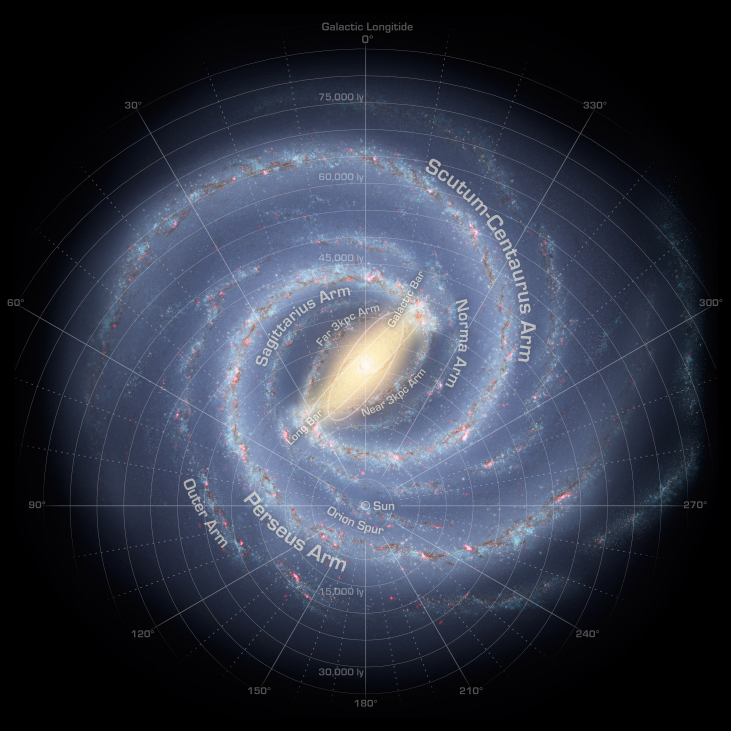
Structure of the Milky Way Galaxy.天の川銀河の構造。
OpenStax / Rice University · CC BY 4.0
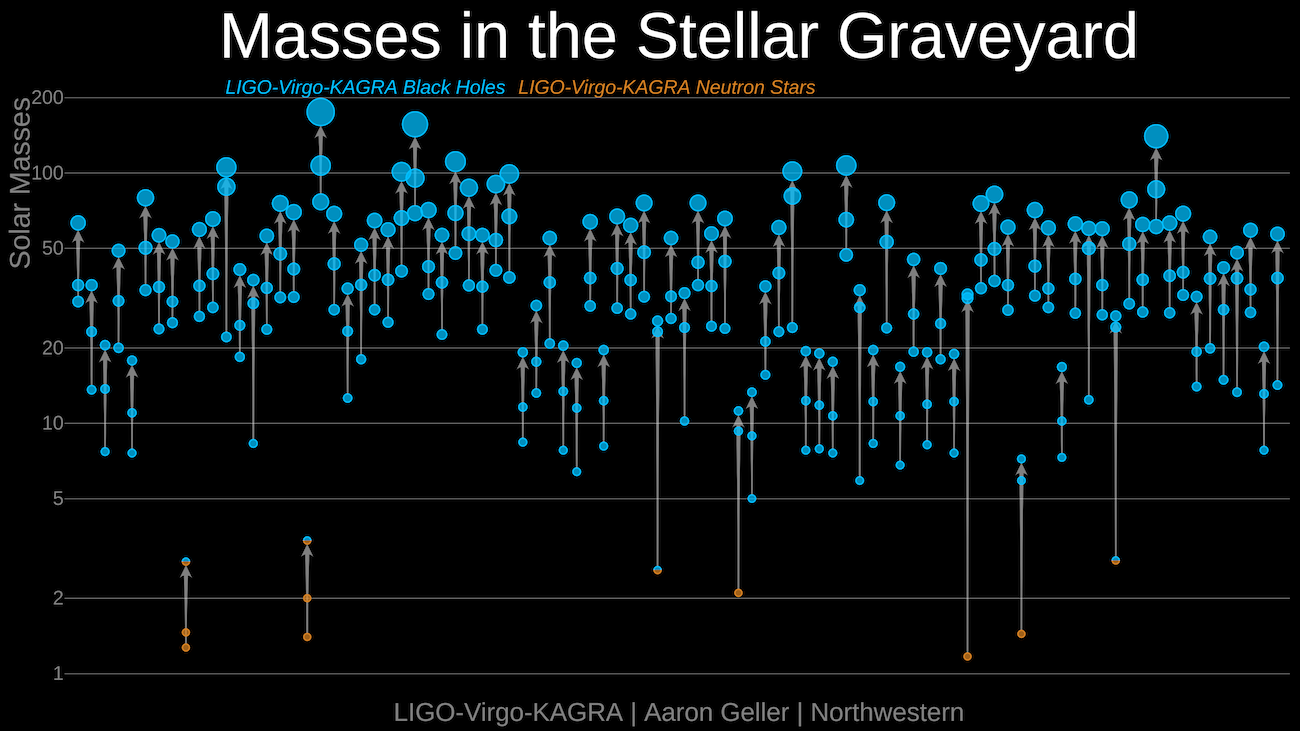
Masses in the Stellar Graveyard.星の墓場にある天体の質量。
OpenStax / Rice University · CC BY 4.0
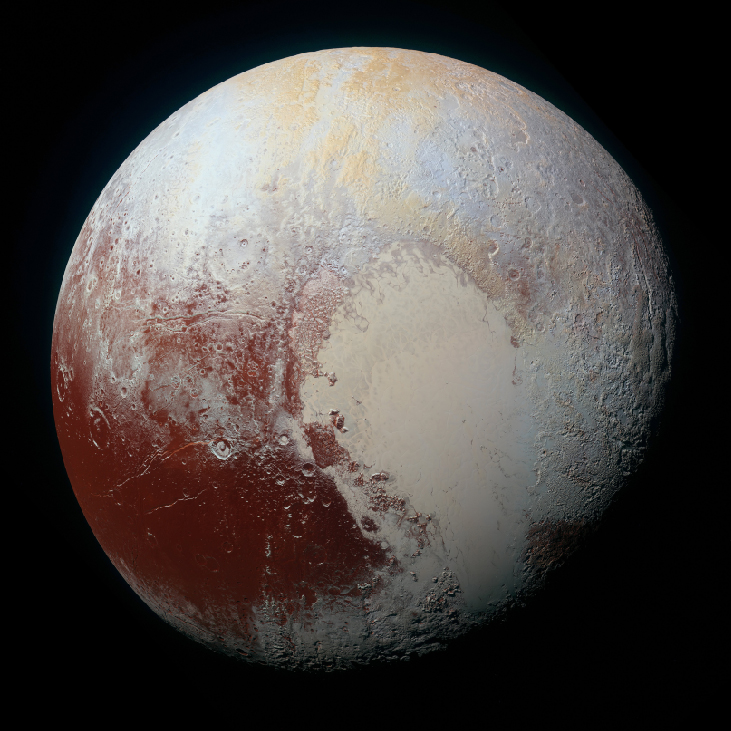
Pluto Close Up.冥王星のクローズアップ。
OpenStax / Rice University · CC BY 4.0
Answers to Questions in the Book本書の問題の解答
In order to allow instructors as much flexibility as possible, answers are provided only to instructors via the instructor resources. Due to the high variability of responses, aswers to Collaborative Group Activities are not provided.
授業の進め方を教員ができるだけ柔軟に選べるよう、解答は教員用教材を通じて教員のみに提供している。「グループで取り組む活動」は回答の幅が大きいため、解答を用意していない。
Additional resources補助教材
Student and instructor resources学生・教員向けの教材
We’ve compiled additional resources for both students and instructors, including Getting Started Guides, PowerPoint slides, and an instructor answer guide. Instructor resources require a verified instructor account, which you can apply for when you log in or create your account on OpenStax.org. Take advantage of these resources to supplement your OpenStax book.
利用開始ガイド、PowerPointスライド、教員用の解答集など、学生と教員の両方に向けた補助教材を用意している。教員用教材には、確認済みの教員アカウントが必要である。OpenStax.orgでログインするかアカウントを作成する際に申請できる。OpenStaxの教科書を補う資料として活用せよ。
Community Hubsコミュニティ・ハブ
OpenStax partners with the Institute for the Study of Knowledge Management in Education (ISKME) to offer Community Hubs on OER Commons – a platform for instructors to share community-created resources that support OpenStax books, free of charge. Through our Community Hubs, instructors can upload their own materials or download resources to use in their own courses, including additional ancillaries, teaching material, multimedia, and relevant course content. We encourage instructors to join the hubs for the subjects most relevant to your teaching and research as an opportunity both to enrich your courses and to engage with other faculty.
OpenStaxは、教育における知識管理研究所(Institute for the Study of Knowledge Management in Education、ISKME)と提携し、OER Commons上でコミュニティ・ハブを提供している。OpenStaxの教科書を支える、利用者が作成した教材を、教員同士で無料で共有するための場である。教員は、自作の資料をアップロードしたり、授業で使う補助教材、指導用資料、マルチメディア、関連する授業内容をダウンロードしたりできる。授業を充実させ、ほかの教員と交流する機会として、自分の教育・研究に関係の深い科目のハブに参加することを勧める。
To reach the Community Hubs, visit https://www.oercommons.org/groups/openstax-astronomy/1283/?__hub_id=27.
コミュニティ・ハブは、https://www.oercommons.org/groups/openstax-astronomy/1283/?__hub_id=27 から利用できる。
Partner resources提携先の教材
OpenStax Partners are our allies in the mission to make high-quality learning materials affordable and accessible to students and instructors everywhere. Their tools integrate seamlessly with our OpenStax titles at a low cost. To access the partner resources for your text, visit your book page on OpenStax.org.
OpenStaxの提携先は、どこにいる学生や教員にも、質の高い学習教材を手頃な価格で使えるようにするという使命を、ともに担う仲間である。提携先の低価格のツールは、OpenStaxの教科書と円滑に連携する。本書に対応する提携先の教材は、OpenStax.orgにある本書のページで確認せよ。
About the authors著者について
Senior contributing authors主要著者
OpenStax / Rice University · CC BY 4.0
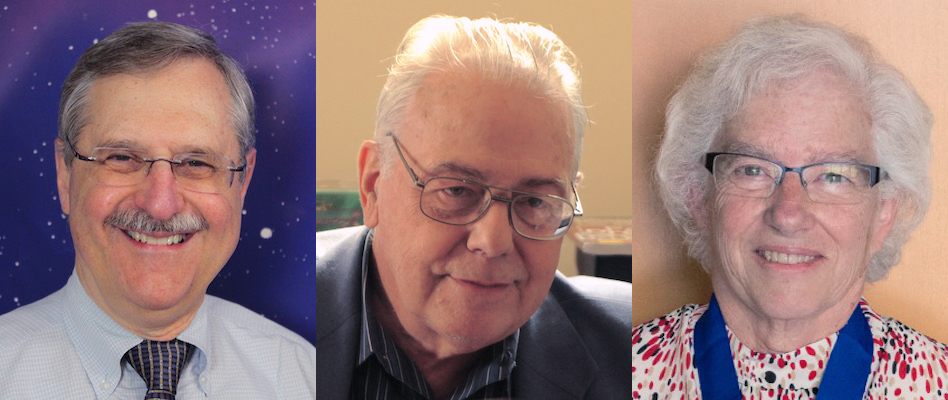
Figure 5 Senior contributing authors: Andrew Fraknoi (left), David Morrison (center), Sidney C. Wolff (right)
図5 主要著者:アンドリュー・フラクノイ(左)、デイヴィッド・モリソン(中央)、シドニー・C・ウルフ(右)。
Andrew Fraknoi, Fromm Institute, University of San Francisco
Andrew Fraknoi retired as Chair of the Astronomy Department at Foothill College in 2017 and now teaches courses for older adults at the University of San Francisco and San Francisco State University. He served as the Executive Director of the Astronomical Society of the Pacific from 1978–1992. His work with the society included editing Mercury Magazine, the Universe in the Classroom newsletter, and Astronomy Beat. He is editor/co-author of The Universe at Your Fingertips 2.0, a collection of teaching activities, and co-author of Solar Science, a book for middle-school teachers. He was also co-author of a syndicated newspaper column on astronomy, and appears regularly on local and national radio. With Sidney Wolff, he was founder of the refereed journal, Astronomy Education Review. In addition, he has organized six national symposia on teaching introductory astronomy, and for 10 years, has led the AAS Ambassadors workshops, training young astronomers to be better at outreach. He received the AAS Education Award, the Klumpke-Roberts Prize of the ASP, the Gemant Prize of the American Institute of Physics, and the Faraday Award of the NSTA.
アンドリュー・フラクノイ(サンフランシスコ大学フロム研究所)。フラクノイは2017年にフットヒル・カレッジ天文学科の学科長を退き、現在はサンフランシスコ大学とサンフランシスコ州立大学で、高齢者向けの授業を担当している。1978~1992年には太平洋天文学会の事務局長を務めた。同学会では、雑誌『Mercury』、ニュースレター『Universe in the Classroom』、『Astronomy Beat』の編集にも携わった。教育活動集『The Universe at Your Fingertips 2.0』の編集者・共著者であり、中学校教員向けの『Solar Science』の共著者でもある。複数の新聞に配信される天文学コラムを共同執筆したほか、地方放送や全国放送のラジオにも定期的に出演している。シドニー・ウルフとともに、査読誌『Astronomy Education Review』を創刊した。さらに、天文学入門の教育に関する全国シンポジウムを6回開催し、10年間にわたって米国天文学会(AAS)のアンバサダー・ワークショップを主導して、若手天文学者のアウトリーチ活動を支援してきた。AAS教育賞、太平洋天文学会(ASP)のクルンプケ=ロバーツ賞、米国物理学協会のジェマント賞、全米理科教育協会(NSTA)のファラデー賞を受賞している。
David Morrison, NASA (Emeritus) and SETI Institute
David Morrison received his PhD in astronomy from Harvard, where he was one of Carl Sagan’s graduate students. He is a founder of the field of astrobiology and is known for research on small bodies in the solar system (Asteroid 2410 Morrison is named for him). He spent his early career at University of Hawaii’s Institute for Astronomy, where he was Director of the IRTF at Maunakea Observatory. Morrison has held senior NASA positions including Director of Space Research at Ames Research Center, Chief of the Space Science Division, and founding Director of the Lunar Science Institute. He’s been on science teams for the Voyager, Galileo, and Kepler missions, and he received NASA Outstanding Leadership Medals and Exceptional Achievement Medal. His contributions to public understanding of science have been recognized by education prizes from the Astronomical Society of the Pacific, the American Astronomical Society, and NASA. Committed to the struggle against pseudoscience, he serves as Contributing Editor of Skeptical Inquirer.
デイヴィッド・モリソン(NASA名誉研究員、SETI研究所)。モリソンはハーバード大学で天文学の博士号を取得した。同大学ではカール・セーガンの大学院生の一人であった。宇宙生物学分野の創始者の一人で、太陽系の小天体の研究で知られている。小惑星2410モリソンは、彼にちなんで命名された。研究者としての初期にはハワイ大学天文学研究所に所属し、マウナケア天文台の赤外線望遠鏡施設(IRTF)の所長を務めた。NASAでは、エイムズ研究センターの宇宙研究部門の責任者、宇宙科学部門長、月科学研究所の初代所長などの要職を歴任した。ボイジャー、ガリレオ、ケプラーの各ミッションで科学チームに参加し、NASAのOutstanding Leadership MedalやExceptional Achievement Medalを受章している。科学に対する一般の理解を深めた功績は、太平洋天文学会、米国天文学会、NASAの教育賞によって評価されている。疑似科学との闘いにも力を注ぎ、『Skeptical Inquirer』の寄稿編集者を務めている。
Sidney C. Wolff, NOIRLab (Emerita)
After receiving her PhD from the UC Berkeley, Dr. Wolff was involved with the astronomical development of Maunakea. In 1984, she became the Director of Kitt Peak National Observatory, and was director of National Optical Astronomy Observatory. She led the design and development phases of the Gemini Observatory and the Rubin Observatory. Most recently, she has worked on plans for user support for the next generation of large ground-based telescopes. Dr. Wolff has published over ninety refereed papers on star formation and stellar atmospheres. She has served as President of the AAS and the ASP. Her book, The Boundless Universe: Astronomy in the New Age of Discovery, won the 2016 IPPY (Independent Publisher Book Awards) Silver Medal in Science.
シドニー・C・ウルフ(NOIRLab名誉研究員)。カリフォルニア大学バークレー校で博士号を取得した後、ウルフ博士はマウナケアにおける天文学の観測施設の整備に携わった。1984年にはキットピーク国立天文台の所長となり、米国国立光学天文台の所長も務めた。ジェミニ天文台とルービン天文台の設計・開発段階を主導した。近年は、次世代の大型地上望遠鏡について、利用者支援の計画に取り組んでいる。星形成と恒星大気に関する査読論文を90編以上発表し、米国天文学会と太平洋天文学会の会長も歴任した。著書『The Boundless Universe: Astronomy in the New Age of Discovery』は、2016年のIndependent Publisher Book Awards(IPPY賞)の科学部門で銀賞を受賞した。
All three senior contributing authors have received the Education Prize of the American Astronomical Society and have had an asteroid named after them by the International Astronomical Union. They have worked together on a series of astronomy textbooks over the past two decades.
主要著者の3人は全員、米国天文学会の教育賞を受賞し、国際天文学連合によって、それぞれの名前を小惑星に付けられている。過去20年間にわたり、一連の天文学教科書を共同で執筆してきた。