第14章サイバー資源の品質とサイバーコンピューティングのガバナンス
Hardware Crisisハードウェア危機
In October 2020, a warehouse fire severely damaged the Asahi Kasei Microdevices (AKM) semiconductor plant in Miyazaki, Japan. At the time, this was one of two RAM manufacturers worldwide. The global crisis for computer memory soon commenced shortly after this disaster. Hardware manufacturers had to slow the production of computers because the memory was not available for production, and the cost of the existing memory escalated. Japan’s other chip manufacturing plants could not meet worldwide demand. Today, three manufacturing plants account for more than 90% of the world’s RAM production. It seems that the world has not learned its lesson and diversified the production of this precious resource.
英語のヒント
2020年10月、日本の宮崎県で起きた倉庫火災により、旭化成マイクロデバイス(AKM)の半導体工場が大きな被害を受けた。当時は、世界に二つあるRAM製造業者の一つだった。災害の直後、コンピューターメモリーの世界的危機が始まった。生産用メモリーが入手できず、既存メモリーの価格が上がったため、ハードウェアメーカーはコンピューターの生産を減速させざるを得なかった。日本の他の半導体工場では世界の需要を満たせなかった。今日、三つの製造工場が世界のRAM生産の90%超を占める。世界は教訓を学ばず、この貴重な資源の生産を分散させていないように見える。
The other side of this story is that software advancements also stopped. New software packages are typically developed to incorporate newer technology features. If the newer computer manufacturing slowed down, the new innovative software packages also slowed down. This was not the same for cloud technologies. Because the resources are distributed and the hardware is not as essential, the cloud environment continues to thrive, and there has only been an increase in cloud usage since 2020.
英語のヒント
この話のもう一面は、ソフトウェアの進歩も止まったことである。新しいソフトウェアは通常、新技術の機能を取り込むために開発する。新型コンピューターの製造が遅れると、新しい革新的なソフトウェアも遅れる。クラウド技術はそうではなかった。資源が分散し、ハードウェアの不可欠さが低いため、クラウド環境は成長を続け、2020年以降、利用は増える一方だった。
Industry 4.0 Metaverse Smart Ecosystems Cybersecurityインダストリー4.0・メタバースのスマートエコシステムのサイバーセキュリティー
While the metaverse and Web3 offer organizations new frontiers for customer engagement and business growth, these also create the potential for new cybersecurity risks that could lead to financial losses, brand and reputational damage, and legal challenges. These threats include system outages and disruptions because of data overload and threats that apply to other areas of computing, including ransomware and bots.
英語のヒント
メタバースとWeb3は、顧客との関わりや事業成長の新領域を組織へ提供する一方、新しいサイバーセキュリティーリスクの可能性も生む。金銭損失、ブランドや評判の傷、法律問題につながりうる。データ過負荷によるシステム停止・混乱や、ランサムウェア、ボットなど、他の計算機利用分野にも共通する脅威を含む。
Smart Ecosystems Platforms Assuranceスマートエコシステム基盤の保証
As noted earlier, Industry 4.0 smart ecosystems combine various platforms/services (e.g., 3-D Modeling, AR/VR, Edge Computing, Blockchain, AI/ML, and 3-D/4-D printing) and are typically deployed on top of a hybrid cloud/ blockchain environment today. For example, they may use AI/ML platforms/services to support the rendering and management of realistic models of a 3-D world or digital twins. The various platforms/services operate within secure cloud/blockchain platforms that are managed using established cloud/blockchain security/trust architectures as well as cloud governance processes. Because the platforms/services can be assembled as mashups by combining offerings from multiple cloud platforms, it is necessary to consider the cybersecurity mechanisms discussed in Cloud Applications Frameworks Assurance in order to understand how to best secure cloud mashups. In this subsection, we briefly discuss the security vulnerability and defenses required when leveraging specific smart ecosystems platforms/services.
英語のヒント
先述のとおり、インダストリー4.0のスマートエコシステムは、3Dモデリング、AR/VR、エッジコンピューティング、ブロックチェーン、AI/ML、3D・4Dプリンティングなどを組み合わせる。今日では通常、ハイブリッドクラウドとブロックチェーンの環境の上へ配置する。たとえばAI/MLで、現実的な3D世界やデジタルツインの描画・管理を支援する。各基盤やサービスは、確立されたセキュリティー・信頼構造とガバナンス手順で管理する、安全なクラウド・ブロックチェーン内で動く。複数のクラウドの提供物を組み合わせ、マッシュアップとして構築できるため、「クラウドアプリケーション基盤の保証」で扱った仕組みを考慮し、最もよい保護方法を理解する必要がある。この項では、特定のスマートエコシステム基盤やサービスを使う際の脆弱性と必要な防御を、簡潔に取り上げる。
As artificial intelligence and other advanced technologies become more prominent and create supersocieties, we also face additional cybersecurity threats. For example, cybercriminals can use AI to leverage more sophisticated cyberattacks. At the same time, AI can be a tool against cybercrime, providing organizations with sophisticated technology to handle security tasks such as detecting suspicious activity in the system. In addition, AI can be used in testing, such as simulating system attacks to help cybersecurity professionals identify areas of risk and vulnerabilities that should be addressed. According to IBM, AI can help protect data in hybrid cloud environments with tools such as shadow data identification and monitoring for data abnormalities. AI can also create incident summaries and automate responses to these incidents, improving investigations and outcomes. AI’s ability to analyze login attempts and verify users can reduce fraud costs by as much as 90%.39
英語のヒント
AIなどの高度技術が重要性を増し、超社会を作り出すにつれ、サイバー脅威も増える。たとえば犯罪者はAIで、より巧妙な攻撃を行える。同時にAIは、システム内の疑わしい動きの検出などを行う高度な技術を提供し、犯罪に対抗する道具にもなる。AIは、システム攻撃の模擬などのテストにも使え、専門家が対処すべきリスクや脆弱性を見つける助けとなる。IBMによれば、管理外のシャドーデータの識別や異常の監視などで、ハイブリッドクラウドのデータを保護できる。AIはインシデントの要約や対応の自動化も行い、調査と結果を改善する。ログイン試行の分析と利用者の確認によって、不正の費用を最大90%削減できる。39
TECHNOLOGY IN EVERYDAY LIFE日常生活の技術
Using AI in CybersecurityサイバーセキュリティーにAIを使う
AI creates new cyber threats but also provides additional tools to improve cybersecurity. Think about how AI is used in everyday life and consider AI as both a threat and a tool in cybersecurity.
AIは新しいサイバー脅威を生むと同時に、安全性を改善する新たな道具も提供する。日常でのAI利用を考え、サイバーセキュリティーにおける脅威と道具の両方として検討しよう。
Provide a few scenarios illustrating the benefits and drawbacks of AI-driven cybersecurity (e.g., monitoring and analyzing behavior patterns, preventing bad actions and outcomes) and explain your opinion.
AIを使うサイバーセキュリティーの利点と欠点を示す状況を、いくつか挙げ、自分の意見を説明してほしい。行動パターンの監視・分析、悪い行為や結果の防止などを例にできる。
Metaverse Smart Ecosystems Platform Cybersecurity Assurance Methodologiesメタバースのスマートエコシステム基盤のサイバーセキュリティー保証手法
To protect against cybersecurity threats in the metaverse, organizations should use many of the same security measures to protect against cyber threats on the Internet. They also need to address new cybersecurity risks that could lead to financial losses, brand and reputational damage, and legal challenges.
メタバースの脅威から守るには、インターネットのサイバー脅威に対する対策の多くを使うべきである。また、金銭損失、ブランドや評判の傷、法律問題につながりうる、新しいリスクにも対処しなければならない。
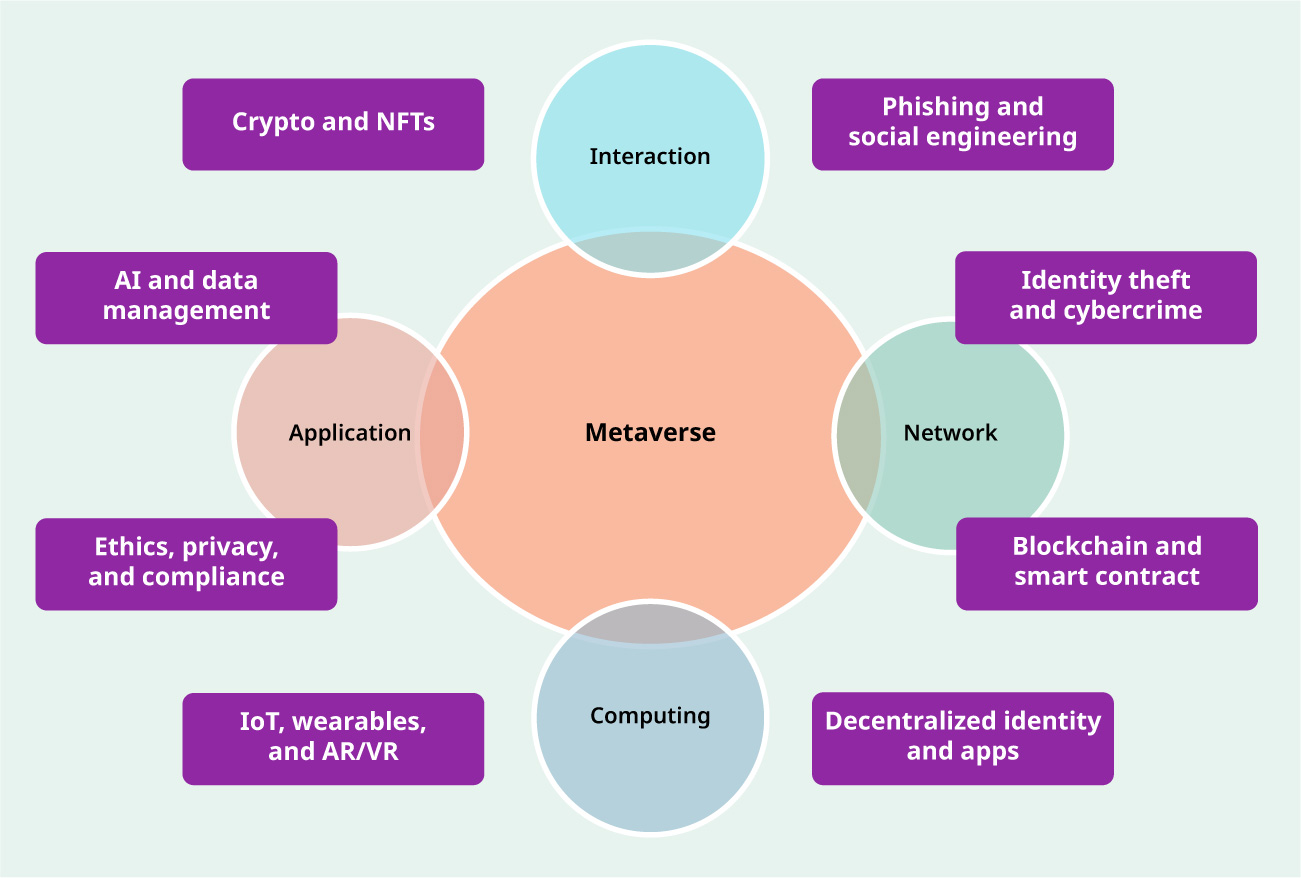
Figure 14.53 illustrates the typical four layers of metaverse platforms along with eight major threats in virtual world of the metaverse.
図14.53は、メタバース基盤の典型的な4層と、その仮想世界の8大脅威を示す。
39 IBM. 2024. “Artificial Intelligence (AI) Cybersecurity.” https://www.ibm.com/ai-cybersecurity#:.
39 IBM、2024年。「Artificial Intelligence (AI) Cybersecurity(人工知能によるサイバーセキュリティー)」。https://www.ibm.com/ai-cybersecurity#:.
attribution: Copyright Rice University, OpenStax, under CC BY 4.0 license · CC BY 4.0 · Source出典
Figure 14.53 The metaverse has four platform layers that generally face eight categories of cyber threats. (attribution: Copyright Rice University, OpenStax, under CC BY 4.0 license)
図14.53 メタバースは4層の基盤を持ち、一般に8種類のサイバー脅威に直面する。(帰属表示:著作権 Rice University、OpenStax。CC BY 4.0ライセンス。)