第3章確率
Introductionはじめに
credit: modification of work “A meteor during the peak of the 2009 Leonid Meteor Shower” by Navicore/ Wikimedia Commons, CC BY 3.0 · CC BY 3.0 · Source出典
Figure 3.1図 3.1
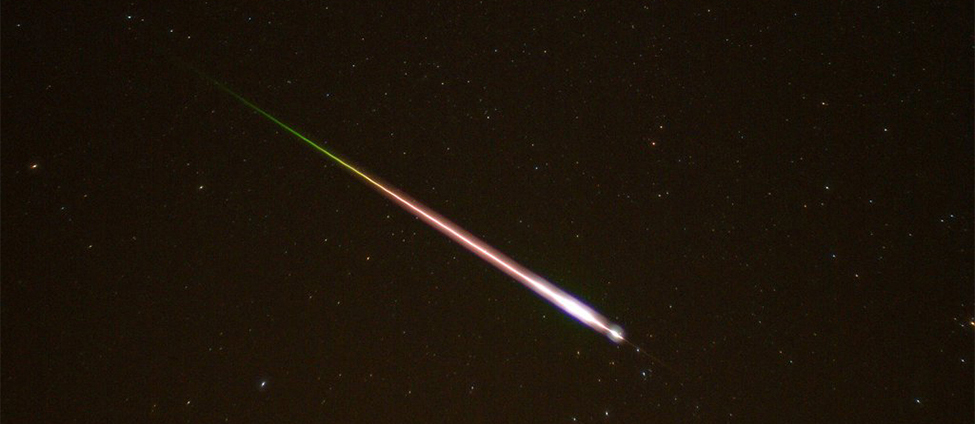
Meteor showers are rare, but the probability of them occurring can be calculated. (credit: modification of work “A meteor during the peak of the 2009 Leonid Meteor Shower” by Navicore/ Wikimedia Commons, CC BY 3.0)
流星群はまれにしか見られないが、発生する確率は計算できる。(出典:Navicoreによる「A meteor during the peak of the 2009 Leonid Meteor Shower」を改変/Wikimedia Commons、CC BY 3.0)
It is often necessary to "guess" about the outcome of an event in order to make a decision. Politicians study polls to guess their likelihood of winning an election. Teachers choose a particular course of study based on what they think students can comprehend. Doctors choose the treatments needed for various diseases based on their assessment of likely results. You may have visited a casino where people play games chosen because of the belief that the likelihood of winning is good. You may have chosen your course of study based on the probable availability of jobs.
英語のヒント
意思決定のために、ある事象の結果を「推測」しなければならないことは多い。政治家は世論調査を調べ、選挙に勝つ見込みを推測する。教師は生徒に何が理解できるかを考え、それに基づいて特定の学習課程を選ぶ。医師は見込まれる結果の評価に基づいて、さまざまな病気に必要な治療法を選ぶ。勝つ見込みが高いと信じて選んだゲームで人々が遊ぶカジノを、訪れたことがあるかもしれない。また、仕事に就けそうかどうかを考えて、学ぶ分野を選んだこともあるだろう。
You have, more than likely, used probability. In fact, you probably have an intuitive sense of probability. Probability deals with the chance of an event occurring. Whenever you weigh the odds of whether or not to do your homework or to study for an exam, you are using probability. In this chapter, you will learn how to solve probability problems using a systematic approach.
英語のヒント
おそらく、あなたも確率を使ったことがある。実際、確率について直感的な感覚を持っているだろう。確率が扱うのは、ある事象が起こる可能性である。宿題をするかどうか、試験勉強をするかどうかの見込みを比較検討するときには、いつも確率を使っている。この章では、体系的な方法で確率の問題を解くことを学ぶ。