第8章価値論Value Theory
8.2 Basic Questions about Values8.2 価値についての基本的な問い
Learning Objectives学習目標
By the end of this section, you will be able to:
この節を学び終えると、次のことができるようになる。
Relate extrinsic values to intrinsic values.
外在的価値と内在的価値の関係を説明する。
Distinguish between monism and pluralism in value theory.
価値論における一元論と多元論を区別する。
Explain the concept of incommensurability in value theory.
価値論における通約不可能性の概念を説明する。
Compare and contrast moral pluralism and moral relativism.
道徳的多元論と道徳的相対主義の共通点と相違点を比較する。
People spend much of their time trying to accomplish goals that they deem as “good.” But what do people mean when they say something is “good”? What does it mean to value something? Can conflicting values be resolved? This section will explore different answers to these questions and, in doing so, help you understand the meaning of value.
英語のヒント
人は多くの時間を、自分が「よい」と考える目標の達成に費やしている。だが、何かを「よい」と言うとき、それは何を意味するのだろうか。何かに価値を認めるとは、どういうことだろうか。価値どうしの衝突は解決できるのだろうか。この節では、これらの問いに対するさまざまな答えを探り、それを通じて、価値の意味を理解していく。
Intrinsic and Extrinsic Value内在的価値と外在的価値
One way to think about what a value is has to do with whether it is valuable for its own sake or valuable for the sake of something else. Something has intrinsic value if it is valuable for its own sake. For example, Aristotle asserted that happiness has intrinsic value because it is an end in itself. He believed that all actions ultimately aim at happiness, but happiness is pursued for its own sake. If someone were to ask, “What is happiness good for?” Aristotle would reply that it simply good in and of itself.
英語のヒント
価値とは何かを考える一つの方法は、それ自体のために価値があるのか、何か別のもののために価値があるのかを問うことである。あるものが、それ自体のために価値をもつなら、それには内在的価値がある。たとえばアリストテレスは、幸福はそれ自体が目的であるため、内在的価値をもつと主張した。彼は、あらゆる行動は究極的には幸福を目指すが、幸福はそれ自体のために追求されると考えた。「幸福は何の役に立つのか」と尋ねられれば、アリストテレスは、幸福はただそれ自体でよいものなのだと答えるだろう。
Something has extrinsic value if it is valuable for the sake of something else. It is a means to an end. For example, you probably engage in a variety of activities that are good insofar as they help your health. Eating a well-balanced diet, going to the doctor regularly, and keeping an active routine all contribute to health and well-being. Health is thus the intrinsic good that makes each of those activities extrinsically good.
英語のヒント
あるものが、何か別のもののために価値をもつなら、それには外在的価値がある。それは目的のための手段である。たとえば、あなたは健康に役立つかぎりでよいとされる、さまざまな活動に取り組んでいるだろう。栄養の釣り合いが取れた食事、定期的な医師の受診、活動的な日課を保つことは、どれも健康とウェルビーイング(その人にとって人生がよい状態にあること)に寄与する。したがって健康は、これらの活動をそれぞれ外在的によいものにする、内在的な善である。
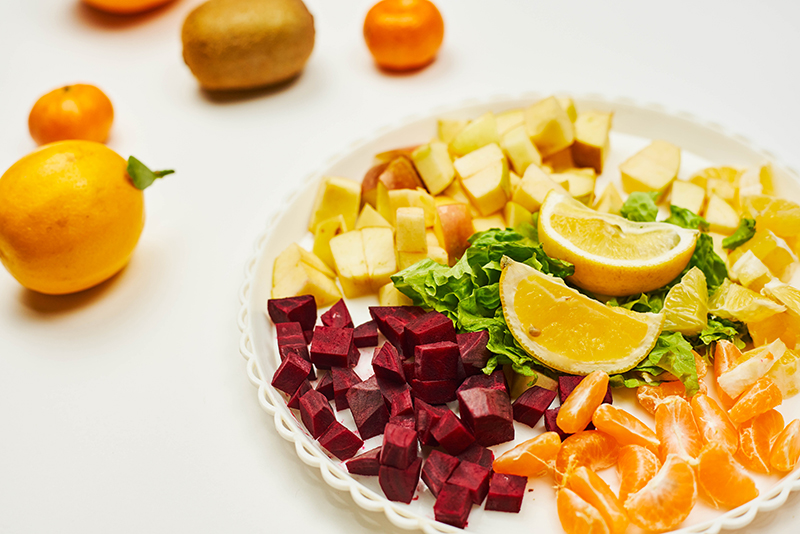
Figure 8.3 Eating fruits and vegetables is an extrinsic good, in that it contributes to the intrinsic value of human health. If eating fruits and vegetables were found to not contribute to health, this would no longer be viewed as a desirable action. (credit: “Healthy and tasty fruits and vegetables” by Marco Verch Professional/Flickr, CC BY 2.0)
図8.3 果物や野菜を食べることは、人間の健康という内在的価値に寄与するという意味で、外在的な善である。もし果物や野菜を食べても健康に寄与しないと判明したなら、それはもはや望ましい行動とは見なされなくなるだろう。(クレジット:Marco Verch Professional/Flickrによる “Healthy and tasty fruits and vegetables”、CC BY 2.0)
Fundamentality根本性
One could argue, however, that health is yet an extrinsic value because people only value health because it contributes to happiness. When people distinguish between intrinsic and extrinsic values, they think about not only what is valuable but also how values are related to each other. The example of health and happiness raises the question of fundamentality—whether there is only one intrinsic value or many.
英語のヒント
しかし、健康もなお外在的価値であると論じることはできる。人が健康を大切にするのは、それが幸福に寄与するからにすぎない、というのである。内在的価値と外在的価値を区別するとき、人は何に価値があるかだけでなく、価値どうしがどのように関係するかも考える。健康と幸福の例は、根本性についての問い、つまり、内在的価値は一つだけなのか、それとも複数あるのかという問いを提起する。
Monism argues that there is only one fundamental intrinsic value that forms the foundation for all other values. For example, hedonists think that pleasure is a fundamental intrinsic value and that something must be pleasurable to be good. A monist believes that if people evaluate their values carefully—and the relationship between their values—then one value will be more important than the others and the others will serve that intrinsic value. For a monist, it is important to identify which value is more fundamental so that it can guide your beliefs, judgments, and actions.
英語のヒント
一元論は、他のあらゆる価値の基礎となる、根本的な内在的価値は一つだけだと論じる。たとえば、快楽主義者は快楽を根本的な内在的価値と捉え、あるものがよいものであるためには、快いものでなければならないと考える。一元論者は、人が自分の価値や、価値どうしの関係を慎重に評価すれば、一つの価値が他の価値より重要となり、他の価値はその内在的価値に奉仕すると考える。一元論者にとって、どの価値がより根本的なのかを特定することは、それによって信念、判断、行動を導けるようにするために重要である。
Pluralism argues that there are multiple fundamental intrinsic values rather than one. A pluralist can still evaluate which values are intrinsic and which are extrinsic, but that process does not lead them to identify one ultimate intrinsic value that forms the foundation for all other values. Pluralism holds that people have two or more fundamental values because these values are not reducible to each other. For example, knowledge and love are both intrinsic goods if what is good about knowledge cannot be summed up in terms of love and if what is good about love cannot be summed up in terms of knowledge.
英語のヒント
多元論は、根本的な内在的価値は一つではなく、複数あると論じる。多元論者も、どの価値が内在的で、どの価値が外在的かを評価することはできる。しかし、その過程によって、他のあらゆる価値の基礎となる唯一の究極的な内在的価値にたどり着くわけではない。多元論によれば、人には二つ以上の根本的価値がある。それらの価値は、互いに還元できないからである。たとえば、知識のよさを愛によって言い尽くすことができず、愛のよさを知識によって言い尽くすこともできないなら、知識と愛はどちらも内在的な善である。
Philosophers who argue for monism often see pluralism as a type of relativism that can prevent people from resolving moral issues when values come into conflict. Consider physician-assisted suicide. A monist would want to address the issue of ending one’s life for medical reasons by evaluating it according to one ethical principle. For example, if monists hold that pleasure is the intrinsic good, they might argue that physician-assisted suicide is good when it allows the cessation of pain, particularly in cases where the patient’s suffering prohibits any pleasure of mind or body. Pluralists, however, would have to evaluate this physician-assisted suicide based on multiple intrinsic values, such as pleasure and life. In this case, the cessation of pain and the continuation of life are both good, and neither is better than the other. As a result, pluralists may not find a way to resolve the conflicting values or may not be able to identify whether this action is right or wrong. By contrast, monism allows someone to hold a unified and coherent metaethical framework because it asserts one fundamental value rather than many.
英語のヒント
一元論を支持する哲学者は、多元論を一種の相対主義と捉えることが多い。価値が衝突したとき、道徳的問題の解決を妨げかねないと考えるのである。医師による自殺幇助を考えてみよう。一元論者なら、医療上の理由で自分の生命を終わらせるという問題を、一つの倫理原理に照らして評価し、扱おうとするだろう。たとえば快楽を内在的な善とする一元論者は、医師による自殺幇助が痛みを終わらせるなら、それはよいことだと論じるかもしれない。とくに、患者の苦しみのために心身のいかなる快楽も得られない場合がそうである。これに対し多元論者は、快楽や生命など、複数の内在的価値に基づいて、この医師による自殺幇助を評価しなければならない。この場合、痛みが終わることも生命が続くことも、どちらもよいことであり、一方が他方よりよいわけではない。その結果、多元論者は対立する価値を調整する方法を見いだせず、この行動が正しいか間違っているかも特定できないかもしれない。対照的に一元論は、多数ではなく一つの根本的価値を主張するため、統一され整合的なメタ倫理学の枠組みをもつことを可能にする。
Pluralists, however, consider life to have many intrinsic goods including satisfying one’s desires, achieving one’s aims, developing one’s abilities, and developing deep personal relationships. In Women and Human Development, American feminist and moral philosopher Martha Nussbaum (1947 - present) describes many intrinsic goods—including life, health, emotional attachment, affiliation, play, reason, and more (2000). A flourishing life will have many goods, not just one. Pluralists, moreover, are concerned with the consequences of monism. Asserting that there is only one intrinsic good, despite differences in opinion, could potentially restrict individual’s freedom, especially when their values differ from the mainstream.
英語のヒント
しかし多元論者は、人生には、自分の欲求を満たすこと、目標を達成すること、能力を伸ばすこと、深い人間関係を築くことなど、多くの内在的な善があると考える。アメリカのフェミニストで道徳哲学者のマーサ・ヌスバウム(1947年生)は、『女性と人間開発』で、生命、健康、情緒的な愛着、他者との結びつき、遊び、理性など、多くの内在的な善を挙げている(2000)。充実した人生には、ただ一つでなく、多くの善がある。さらに多元論者は、一元論がもたらす帰結を懸念する。意見の違いにもかかわらず、内在的な善は一つしかないと主張すれば、個人の自由を制約する可能性がある。とくに、その人の価値観が主流と異なる場合にそうである。