第10章応用倫理学Applied Ethics
Introductionはじめに
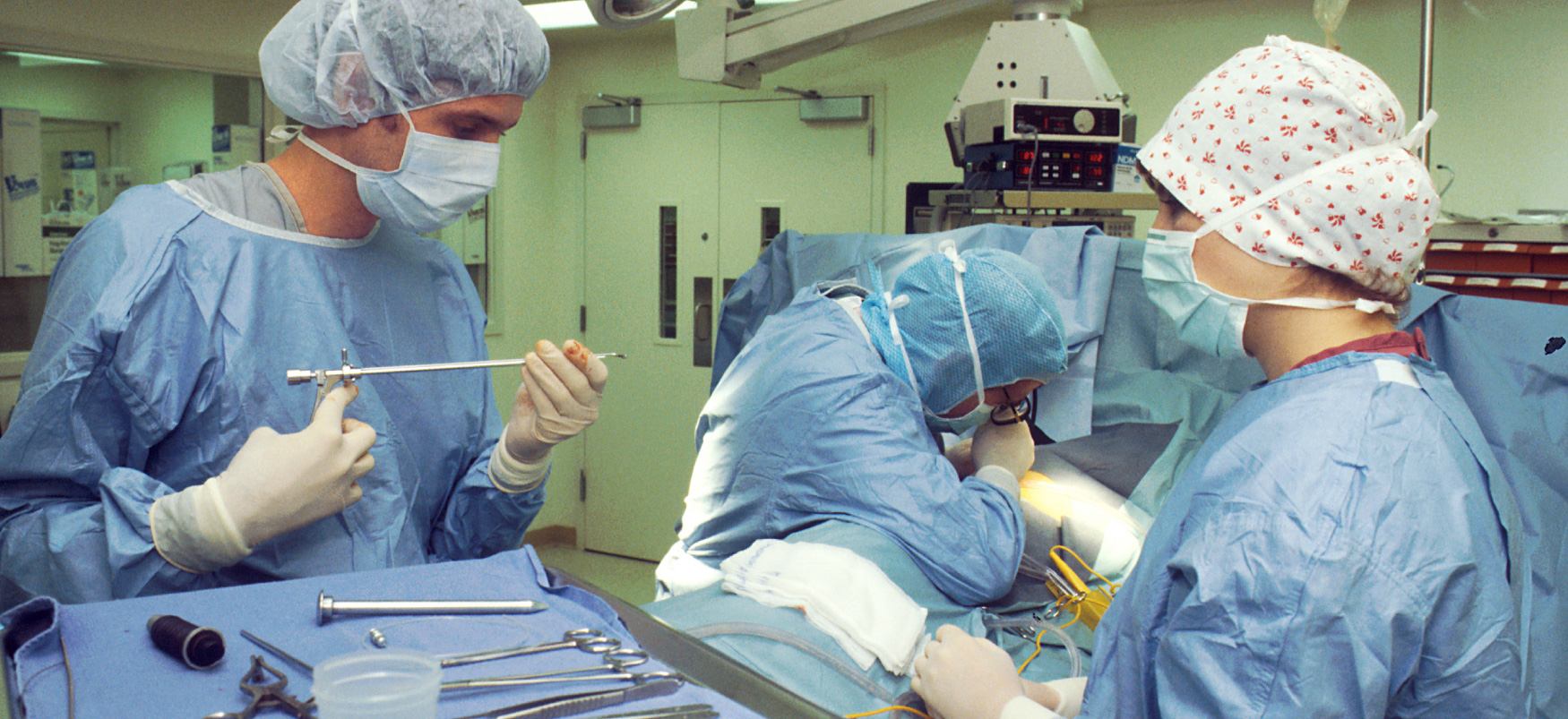
Figure 10.1 Bioethics is an area of applied ethics that explores the many potential ethical dilemmas that can arise in medicine and related areas. Bioethics addresses questions like: “What is informed consent?” “When, if ever, can a physician assist a patient in ending their own life?” “Under what conditions is it morally permissible to conduct research using human test subjects?” (credit: modification of “Operating Room” by John Crawford/National Cancer Institute/National Institutes of Health/Wikimedia, Public Domain)
図10.1 生命倫理学は、医療とその関連領域で生じうる、さまざまな倫理的ジレンマを探究する応用倫理学の一分野である。「インフォームド・コンセントとは何か」「医師が患者の自ら命を終える行為を助けてよい場合はあるのか。あるとすれば、いつか」「どのような条件のもとで、人を被験者とする研究が道徳的に許されるのか」といった問いを扱う。(クレジット:John Crawford/National Cancer Institute/National Institutes of Health/Wikimediaによる「Operating Room」を改変。パブリックドメイン)
Most of us think about ethical issues in our everyday lives. We might wonder, for instance, whether we have an obligation to reduce our use of plastics because of their impact on the environment. We might question whether we treated someone fairly at work or whether we acted in a way that was morally problematic. When we reflect on whether a given action is right or wrong, we are doing applied ethics. We attempt to determine the rightness of some specified action through moral deliberation and the application of ethical principles and norms. Questions in applied ethics focus on whether some action is right, and philosophers apply diverse perspectives when analyzing the morality of a specific action.
英語のヒント
私たちの多くは、日常生活の中で倫理的な問題について考えている。たとえば、環境への影響を理由に、プラスチックの使用を減らす義務があるのかと考えることがある。職場で誰かを公平に扱ったか、自分の行動には道徳的な問題がなかったかと、問い直すこともあるだろう。ある行為が正しいか間違っているかを考えるとき、私たちは応用倫理学を行っている。道徳的に熟慮し、倫理的な原理や規範を適用することによって、個別の行為の正しさを判断しようとしているのである。応用倫理学の問いは、ある行為が正しいかどうかに焦点を当てる。哲学者は具体的な行為の道徳性を分析する際、多様な観点を適用する。
Developments and advances in areas like technology and medicine can potentially create otherwise unforeseen or unexpected ethical dilemmas. In most cases, it is very difficult, if not impossible, to predict potential ethical issues pertaining to an innovation until it is already in use and in the world. Imagine, for instance, trying to predict what moral dilemmas and disruptions the internet would cause before it was created and widely used. Indeed, even after its creation and widespread adoption in the 1990s, there were still many innovations and challenges to come that would have been hard to predict. Ethical dilemmas created by new innovations emerge with use and are often confronted and debated only after they become apparent. This is why it can sometimes seem like ethical debates are always playing catch-up, that we are motivated to debate the ethical implications of something only after issues become apparent.
英語のヒント
技術や医療などの分野の発展と進歩は、それがなければ予想もされなかった倫理的ジレンマを生み出す可能性がある。多くの場合、新しいものに伴う倫理的な問題を、それがすでに世界に現れ、使われるようになる前に予測するのは、不可能とまではいわなくても非常に難しい。たとえば、インターネットが生まれて広く使われるようになる前に、それがどのような道徳的ジレンマや混乱を引き起こすか、予測しようとする場面を想像してほしい。実際、インターネットが生まれ、1990年代に広く普及した後でさえ、予測しがたい数多くの革新や課題が、その先に待ち受けていた。新しい技術革新が生み出す倫理的ジレンマは、使われる中で姿を現す。そして多くの場合、問題が明らかになって初めて、向き合われ、議論される。そのため、倫理をめぐる議論はいつも後追いで、問題が明らかになってからでなければ、何かの倫理的な影響を議論しようとしないように見えることがある。
Metaethics, normative ethics, and applied ethics are the three main areas of ethics, which are each distinguished by a different level of inquiry and analysis. Applied ethics focuses on the application of moral norms and principles to controversial issues to determine the rightness of specific actions. While people have done applied ethics throughout human history, as a field of study, applied ethics is relatively new, emerging in the early 1970s. Issues like abortion, environmental racism, the use of humans in biomedical research, and online privacy are just a few of the controversial moral issues explored in applied ethics.
英語のヒント
メタ倫理学、規範倫理学、応用倫理学は、倫理学の三つの主要分野であり、それぞれ探究と分析の水準が異なる。応用倫理学は、論争のある問題に道徳的な規範や原理を適用し、具体的な行為の正しさを判断することに焦点を当てる。人類は歴史を通じて応用倫理学を行ってきたが、研究分野としての応用倫理学は比較的新しく、1970年代初めに成立した。人工妊娠中絶、環境人種差別、生物医学研究における人の利用、オンライン上のプライバシーといった問題は、この分野で探究される論争的な道徳問題のほんの一部である。
Making sense of these complicated issues often requires a multidisciplinary approach. Applied ethics rarely finds answers within the philosophical frame alone. While philosophy provides the normative framework for analysis by way of the ethical theories, philosophy often generates more questions than functional answers, and in the field of ethics, concerns about the right to life, social justice, and the like sometimes fall into the arena of politics. As a result, many applied dilemmas are solved and resolved through law and policy. As such, applied ethics becomes an interdisciplinary or cross-disciplinary field of study.
英語のヒント
こうした複雑な問題を理解するには、しばしば複数の学問分野からのアプローチが必要になる。応用倫理学が、哲学だけの枠内で答えを見つけられることはめったにない。哲学は倫理理論を通じて分析のための規範的な枠組みを提供するが、実際に使える答えよりも多くの問いを生み出すことが多い。倫理の領域では、生存権や社会正義などに関する問題が、政治の領域に入ることもある。その結果、応用上のジレンマの多くは、法律や政策を通じて解決され、決着がつけられる。こうして応用倫理学は、学問分野を横断する、あるいは複数の学問分野が交わる研究領域となる。
This chapter explores major subfields in applied ethics including bioethics, environmental ethics, and business ethics and emerging technology.
本章では、応用倫理学の主要な下位分野である、生命倫理学、環境倫理学、そして企業倫理と新興技術に関わる倫理を探究する。