第10章応用倫理学Applied Ethics
Secular Notions of Personhood人格性についての世俗的な考え方
Some contemporary philosophers have laid aside a belief in a God-given soul and turned to modern views of personhood to justify both support for and opposition to abortion. Mary Anne Warren, for example, identifies five characteristics essential to the concept of personhood (Warren 1973):
英語のヒント
現代の哲学者の中には、神から与えられた魂という信念を脇に置き、中絶を支持する立場と反対する立場の両方を正当化するため、人格性についての現代的な見方に目を向ける人もいる。たとえばメアリー・アン・ウォーレンは、人格性という概念に不可欠な五つの特徴を挙げている(Warren 1973)。
Consciousness (in particular, the capacity to feel pain)
意識(特に、痛みを感じる能力)
Reasoning (the developed capacity to solve new, complex problems)
推論する能力(新しく複雑な問題を解決できる、発達した能力)
The presence of self-awareness and self-concepts
自己意識と自己概念があること
Self-motivated and self-directed activity
自ら動機付け、自ら方向を定めて行う活動
The capacity to communicate messages that are not definite or limited in terms of possible content, topic, or type
内容・主題・種類の可能性が固定または限定されていないメッセージを、伝達する能力
Warren argues that a fetus is not a person because it does not satisfy any of the characteristics essential to personhood. Abortion, Warren argues, is always morally permissible because a fetus is not a person and does not have rights (e.g., it does not have a right to life). The rights of the person carrying the pregnancy will always override or outweigh any consideration that might be given to a fetus. Warren believes there is no moral basis for limiting or restricting abortion, but she recognizes the possibility that we might do so on nonmoral (practical or medical) grounds. For example, we might justify restricting abortion in a situation where someone would suffer serious harm from medical complications if the procedure were performed.
英語のヒント
ウォーレンは、胎児は人格性に不可欠な特徴を一つも満たさないため、人格ではないと論じる。胎児は人格ではなく、たとえば生存権のような権利を持たないので、中絶は常に道徳的に許される、というのである。妊娠している人の権利は、胎児に与えられるかもしれないどのような配慮にも、常に優先し、より大きな重みを持つ。ウォーレンは、中絶を制限する道徳的な根拠はないと考えるが、道徳とは別の、実際的・医学的な理由で制限する可能性は認める。たとえば、処置を行えば医学的な合併症によって本人に重大な害が生じるような状況では、中絶を制限することを正当化できるかもしれない。
Others argue that it is not the rational ability present in an individual that makes them a person or secures their moral status, but rather that our rational nature grounds our moral status—and if human nature is the source of our worth, then any human, even a child, has value whether their reason and agency has fully developed. Children, for example, are not fully functioning rational agents. We recognize this distinction, but we do not use it to justify intentionally harming children or using them as a means to our own ends. We assume that children, like all humans, possess a worth and value that prohibits such treatment. Similarly, people who oppose abortion say that the unborn are potential persons, which is sufficient to grant the unborn child at least a right to life.
英語のヒント
これに対して、ある個人が現に持っている理性的な能力によって、その人が人格になったり、道徳的地位が確保されたりするのではなく、私たちの理性的な本性こそが道徳的地位の根拠だと論じる人もいる。人間の本性が私たちの価値の源泉であるなら、どのような人間も、子どもであっても、理性や行為能力が十分に発達しているかどうかにかかわらず、価値を持つことになる。たとえば、子どもは十分に機能する理性的な行為者ではない。私たちはこの違いを認めているが、それを根拠に、意図的に子どもを傷つけたり、自分たちの目的の手段として利用したりすることを正当化はしない。子どもは、すべての人間と同じく、そのような扱いを禁じるだけの価値を持つと考えている。同じように、中絶に反対する人々は、まだ生まれていない者は潜在的な人格であり、そのことだけで、少なくとも生存権を認めるには十分だと述べる。
Some philosophers, like Ronald Dworkin, go a step further, arguing that full moral status is assigned to any human in virtue of being a member of the human species (Dworkin 1993). Dworkin’s approach focuses on whether an entity is human and uses that as a basis for assigning full moral status rather than making such status contingent on whether a specific individual has fully formed rational capacities.
英語のヒント
ロナルド・ドゥウォーキンのように、さらに一歩進み、人類という種の一員であることによって、どの人間にも十全な道徳的地位が与えられる、と論じる哲学者もいる(Dworkin 1993)。ドゥウォーキンのアプローチは、ある存在が人間であるかどうかに焦点を当て、そのことを、十全な道徳的地位を与える根拠とする。個々の人間の理性的能力が十分に形成されているかどうかに、その地位を依存させるのではない。
The Right to Bodily Autonomy身体について自己決定する権利
When the issue of abortion is couched in terms of rights, the debate centers on the conflict between the right(s) of the fetus or unborn child and the rights of the pregnant person. If a fetus has a right to life, then the question is whether its right is sufficiently strong to outweigh someone’s right to bodily autonomy—the right of individuals to determine what happens to their bodies.
英語のヒント
中絶の問題が権利という言葉で表現されるとき、議論の中心になるのは、胎児あるいはまだ生まれていない子どもの権利と、妊娠している人の権利との衝突である。胎児に生存権があるとすれば、その権利は、他者の身体的自律の権利、すなわち自分の身体に何が起こるかを自分で決める権利を上回るほど、強いものなのかが問われる。
In A Defense of Abortion, for example, Judith Jarvis Thomson (1929–2020) set out to show that granting a fetus a right to life does not mean that its right is unlimited. She proposed the following thought experiment: Imagine that you wake up one morning and find yourself in the hospital lying next to a famous violinist, currently unconscious, with a fatal kidney ailment. The Society of Music Lovers has reviewed all the available medical records and found you to be the only suitable match for the violinist. They kidnapped you and plugged his circulatory system into yours so that your kidneys can filter out the poisons in his bloodstream. This will cure him within nine hours. Do you have an obligation to stay plugged in? What if the time needed to cure him is nine days? Nine months? Nine years? At what point does your freedom trump the violinist’s right to life? Thomson thus asserts that the right to life does not necessarily require someone to carry a fetus to term (Thomson 1976). Because every person has a right to bodily autonomy, abortions are permissible in at least some cases.
英語のヒント
たとえばジュディス・ジャーヴィス・トムソン(1929〜2020年)は、「中絶の擁護」で、胎児に生存権を認めることは、その権利が無制限であることを意味しない、と示そうとした。彼女は、次の思考実験を提案した。ある朝、目を覚ますと自分が病院にいて、有名なバイオリニストの隣に横たわっている、と想像してほしい。彼は意識を失っており、命に関わる腎臓の病気にかかっている。「音楽愛好家協会」が入手できるすべての医療記録を調べた結果、あなたが唯一の適合者だと分かった。そこで協会はあなたを誘拐し、彼の循環系をあなたの循環系につないだ。あなたの腎臓が、彼の血液中の毒物をろ過できるようにするためである。この処置で、彼は9時間以内に治る。あなたには、つながれたままでいる義務があるだろうか。治すのに必要なのが9日間だったらどうか。9か月なら。9年なら。どの時点で、あなたの自由が、バイオリニストの生存権に優先するのだろうか。こうしてトムソンは、生存権があるからといって、必ずしも誰かが出産まで胎児を宿し続けなければならないわけではない、と主張する(Thomson 1976)。誰もが身体的自律の権利を持つため、少なくとも一部の場合、中絶は許されるというのである。
The Sanctity of Human Life人間の生命の神聖さ
One of the most pervasive moral arguments against abortion is based on the idea of the sanctity of human life. Those who oppose abortion on religious grounds often equate abortion with murder. Broader concerns warn that if a society abandons the sanctity of human life, then it becomes easier to justify other types of killing (Singer 1993). Within the United States, it was just a decade or so after abortion was legalized that the debate on euthanasia arose.
英語のヒント
中絶に反対する道徳的論証のうち、最も広く見られるものの一つは、人間の生命の神聖さという考えに基づいている。宗教上の理由から中絶に反対する人々は、しばしば中絶を殺人と同一視する。より広い懸念として、社会が人間の生命の神聖さを捨てれば、ほかの種類の殺害も正当化しやすくなる、という警告がある(Singer 1993)。アメリカで安楽死の議論が起こったのは、中絶が合法化されてから、わずか10年ほど後だった。
Euthanasia安楽死
Euthanasia, the ending a human life to avoid suffering, is controversial, as, like abortion, it confronts our belief in the sanctity of human life. Because of advances in medical technology and increased longevity, we can now preserve and extend life in a variety of ways, even when someone is critically ill—and as a result, we face new and difficult end-of-life decisions. Many families now grapple with the issues of euthanasia and physician-assisted suicide.
英語のヒント
苦しみを避けるために人の命を終わらせる安楽死は、中絶と同じように、人間の生命の神聖さへの私たちの信念に向き合うため、論争的な問題である。医療技術の進歩と寿命の延長によって、重篤な病気にある人でも、さまざまな方法で生命を維持し、延ばせるようになった。その結果、私たちは、人生の終わりをめぐる新しく難しい決定に直面している。いま、多くの家族が、安楽死や医師による自殺幇助の問題に取り組んでいる。
Euthanasia translated from Greek simply means “good death.” Euthanasia can be either passive or active. In passive euthanasia, treatment is withheld or withdrawn with the expectation that a patient will die sooner than they would with continued medical intervention. In active euthanasia, a patient’s life is terminated using medical interventions (e.g., administering a lethal dose of medication). In addition, euthanasia can be voluntary, when it is at the patient’s request, or nonvoluntary, when a patient is incapable of voluntarily expressing their wishes (e.g., a patient in a persistent vegetative state) and the decision must be made by someone else acting in their best interests.
英語のヒント
euthanasiaという語は、ギリシア語から訳すと、単に「よい死」を意味する。安楽死には、消極的なものと積極的なものがある。消極的安楽死では、医療介入を続けた場合よりも患者が早く亡くなると見込んだうえで、治療を開始しない、あるいは中止する。積極的安楽死では、たとえば致死量の薬剤を投与するなど、医療的な介入によって患者の生命を終わらせる。さらに、安楽死は、患者の求めに基づく「自発的」なものと、患者が自らの希望を自発的に表明できない場合に行われる「非自発的」なものとに分けられる。後者の例は、持続的植物状態にある患者である。この場合には、別の誰かが患者の最善の利益のために行動し、決定しなければならない。
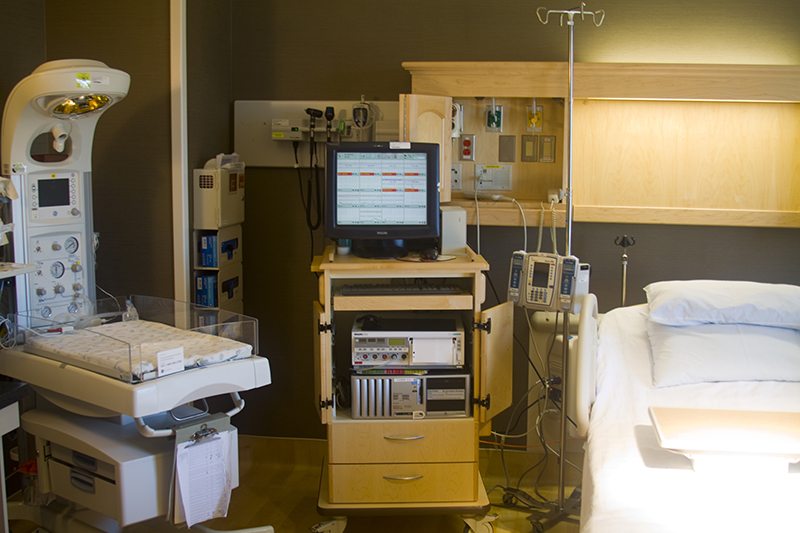
Figure 10.3 What role should the field of medicine play in end-of-life decisions? Should modern medicine facilitate termination of a patient’s life in at least some situations? These are ethical concerns that did not face our ancestors, who did not have the technology to make these questions possible. (credit: “100614-A-2082K-024” by U.S. Army Photo/David Kidd/Flickr, CC BY 2.0)
図10.3 人生の終わりに関する決定に、医療はどのような役割を果たすべきだろうか。少なくとも一部の状況では、現代医療は患者の生命を終わらせることを助けるべきなのか。こうした倫理的な問題に、私たちの祖先は直面しなかった。これらの問いを可能にする技術を持っていなかったからである。(クレジット:U.S. Army Photo/David Kidd/Flickrによる「100614-A-2082K-024」、CC BY 2.0)
While voluntary active euthanasia is illegal in the United States, in countries such as Switzerland, the Netherlands, Belgium, Luxembourg, and Canada, various laws mandate dosages for lethal injection for the terminally ill who request help with this form of euthanasia (Ashford 2019). Voluntary passive euthanasia is legal in the United States and involves the withholding of lifesaving or life-sustaining measures with the consent of the patient. The most common form of this kind of euthanasia is an advanced directive known as a DNR, or “do not resuscitate,” order, in which a person provides written instructions ahead of time, in the form of a “living will,” not to restart the heart if it stops and/or not to put the person on a respirator if they cannot breathe on their own. Nonvoluntary passive euthanasia is the same withholding of treatment but without consent of the patient. This form of euthanasia can occur when a person has not made a living will, another form of advanced directive, and is not conscious or competent to make the decision about whether to extend care on their own behalf.
英語のヒント
自発的な積極的安楽死はアメリカでは違法であるが、スイス、オランダ、ベルギー、ルクセンブルク、カナダなどの国では、この形の安楽死への援助を求める終末期患者に対し、致死注射の投与量をさまざまな法律が定めている(Ashford 2019)。自発的な消極的安楽死はアメリカで合法であり、患者の同意のもと、救命処置や生命維持の措置を差し控えることをいう。その最も一般的な形が、DNR、すなわち「蘇生を行わない」という指示として知られる事前指示である。ここでは本人が、「リビング・ウィル」という形で、心臓が止まっても再び動かさないことや、自力で呼吸できなくなっても人工呼吸器につながないことを、あらかじめ書面で指示する。非自発的な消極的安楽死も同じように治療を差し控えることだが、患者の同意を伴わない。本人がリビング・ウィルという事前指示を作成しておらず、意識がない、あるいは自らのためにケアの継続について決定する能力がない場合に、この形の安楽死が行われることがある。
Physician-assisted suicide (PAS) refers to a practice in which a physician provides the means (i.e., a prescription for a lethal dose of medication) and/or information to assist a patient in ending their own life. The American Medical Association has denounced physician-assisted suicide as unethical and is aligned with some significant court cases in its position (AMA 2016). Though a controversial practice, the passage of “death with dignity” laws has legalized the practice of physician-assisted suicide in California, Colorado, the District of Columbia, Hawaii, Maine, New Jersey, New Mexico, Oregon, and Washington (Death with Dignity 2021). Physician-assisted suicide is distinguished from euthanasia because the patient terminates their own life, whereas euthanasia involves the active or passive termination of the patient’s life by a physician.
英語のヒント
医師による自殺幇助(PAS)とは、患者が自ら命を終えるのを助けるため、医師がその手段、すなわち致死量の薬剤の処方や、情報を提供する行為をいう。米国医師会は、医師による自殺幇助を非倫理的だとして非難しており、その立場は、いくつかの重要な判例と一致している(AMA 2016)。論争のある行為ではあるが、「尊厳死」法の成立によって、カリフォルニア、コロラド、コロンビア特別区、ハワイ、メイン、ニュージャージー、ニューメキシコ、オレゴン、ワシントンでは、医師による自殺幇助が合法化されている(Death with Dignity 2021)。医師による自殺幇助は、患者が自ら命を終えるという点で、安楽死とは区別される。安楽死では、医師が積極的または消極的に、患者の生命を終わらせる。