第10章応用倫理学Applied Ethics
10.2 Environmental Ethics10.2 環境倫理学
Learning Objectives学習目標
By the end of this section, you will be able to:
この節を学び終えると、次のことができるようになる。
Explain the current environmental and climate crisis.
現在の環境と気候の危機を説明する。
Describe different philosophical positions pertaining to humanity’s relationships to the natural environment.
人類と自然環境の関係について、異なる哲学的立場を説明する。
Identify the circumstances that have led to marginalized groups being especially affected by climate disasters.
周縁化された集団が、気候災害の影響を特に受けるようになった事情を特定する。
Before environmental ethics emerged as an academic discipline in the 1970s, some people were already questioning and rethinking our relationship to the natural world. Aldo Leopold’s A Sand County Almanac, published in 1949, called upon humanity to expand our idea of community to include the entire natural world, grounding this approach in the belief that all of nature is connected and interdependent in important ways. Rachel Carson’s Silent Spring (1962) drew attention to the dangers of what were then commonly used commercial pesticides. Carson’s essays drew attention to the far-reaching impacts of human activity and its potential to cause significant harm to the environment and to humanity in turn. These early works inspired the environmentalist movement and sparked debates about how to deal with emerging environmental challenges.
英語のヒント
1970年代に環境倫理学が学問分野として成立する以前から、自然界と私たちの関係を問い、考え直していた人々がいた。1949年に刊行されたアルド・レオポルドの『砂の国の暦』は、共同体という考え方を、自然界全体を含むものへと広げるよう、人類に呼び掛けた。その根底には、自然のすべてはつながっており、重要な仕方で互いに依存している、という信念があった。レイチェル・カーソンの『沈黙の春』(1962年)は、当時広く使用されていた市販の農薬の危険に、注意を向けた。カーソンの論考は、人間の活動が広範に及ぼす影響と、それが環境に深刻な害を与え、ひいては人類にも害を及ぼす可能性に、注意を促した。こうした初期の著作は、環境保護運動を奮い立たせ、新たに生じる環境問題にどう対処するかという議論を引き起こした。
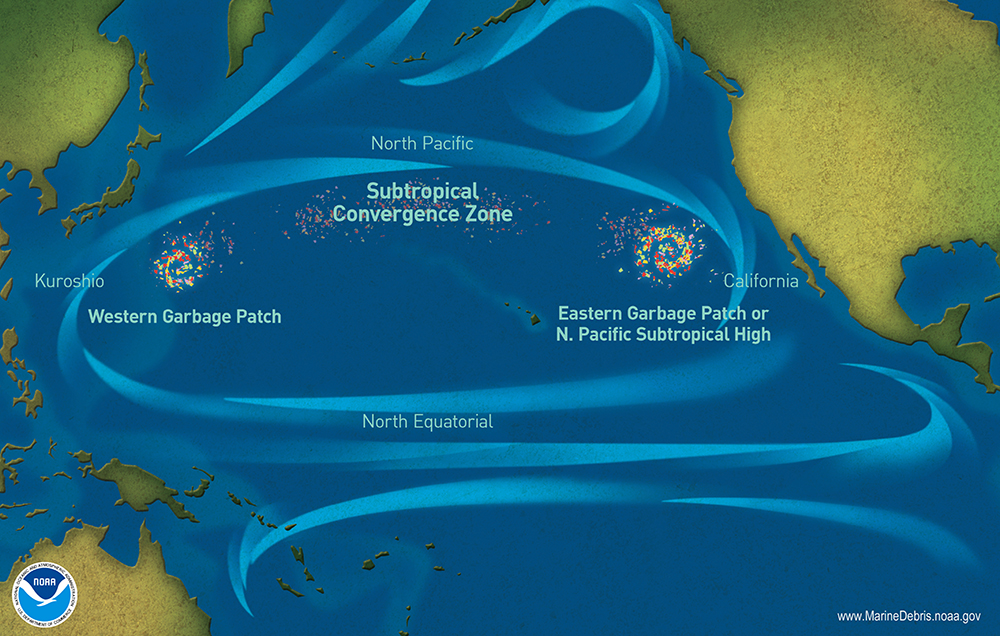
Figure 10.6 This map indicates areas in the Pacific Ocean where small particles of plastic and other waste collect in enormous clusters. (credit: "Garbage Patch Illustration" by National Oceanic and Atmospheric Administration, Public Domain)
図10.6 プラスチックの微小な粒子やその他の廃棄物が、巨大な集積を形成している太平洋の海域を示す地図。(クレジット:National Oceanic and Atmospheric Administrationによる「Garbage Patch Illustration」、パブリックドメイン)
The Emerging Crisis顕在化する危機
Humans directly and indirectly change and shape the natural world. Our reliance on fossil fuels to meet our energy needs, for example, releases a key greenhouse gas, carbon dioxide (CO2), into the air as a result. Greenhouse gases trap heat in Earth’s atmosphere, resulting in changes in the planet’s climate. The two countries that produce the most CO2 are the United States and China. The United States is the biggest gasoline consumer in the world, using approximately 338 million gallons of gasoline per day. China is the biggest coal consumer, burning approximately three billion tons of coal in 2020—more than half of the worldwide total consumption of coal. Our demand for the energy provided by fossil fuels to power our industries, heat our homes, and make possible travel between distant locations is the main factor that has contributed to increased levels of greenhouse gases in the atmosphere.
英語のヒント
人間は、直接にも間接にも、自然界を変え、形作っている。たとえば、必要なエネルギーを得るために化石燃料へ依存することで、主要な温室効果ガスである二酸化炭素(CO₂)が大気中へ放出される。温室効果ガスは地球の大気に熱を閉じ込め、その結果、地球の気候が変化する。CO₂を最も多く排出する二つの国は、アメリカと中国である。アメリカは世界最大のガソリン消費国で、1日に約3億3800万ガロンを使用している。中国は最大の石炭消費国であり、2020年には約30億トン、世界の石炭総消費量の半分以上を燃焼させた。産業を動かし、家を暖め、遠く離れた場所の間を移動できるようにするために、私たちは化石燃料が供給するエネルギーを求めている。この需要が、大気中の温室効果ガスの増加をもたらした主要な要因である。
Human activities have had and continue to have significant impacts on the natural world. The term anthropogenic climate change refers to changes in Earth’s climate caused or influenced by human activity. Severe weather and natural disasters are increasing in frequency and intensity because of the changing climate. As just one example, record-setting wildfires were experienced in recent years in both the United States and Australia. In a span of just five years (2017–2021), the United States experienced four of the most severe and deadliest wildfires in its history, all of which occurred in California: the 2017 Tubbs Fire, the 2018 Camp Fire, the 2020 Bay Area Fire, and the 2021 Dixie Fire. In 2020, Australia experienced its most catastrophic bushfire season when roughly 19 million hectares burned, destroying over three thousand homes and killing approximately 1.25 billion animals.
英語のヒント
人間の活動は自然界に大きな影響を及ぼしてきたし、今も及ぼし続けている。「人為的な気候変動」とは、人間の活動によって引き起こされ、または影響を受ける、地球の気候の変化をいう。気候の変化によって、厳しい気象現象や自然災害が、より頻繁に、より激しく起こるようになっている。一例を挙げれば、近年、アメリカとオーストラリアの両国は、記録的な森林・原野火災を経験した。2017〜2021年のわずか5年間で、アメリカでは、史上でも特に深刻で、多くの命を奪った火災のうち四つが発生した。2017年のタブズ火災、2018年のキャンプ火災、2020年のベイエリア火災、2021年のディキシー火災で、いずれもカリフォルニア州で起きた。2020年、オーストラリアは、かつてないほど壊滅的な森林・原野火災のシーズンを経験した。およそ1900万ヘクタールが焼け、3000軒を超える家が失われ、約12億5000万頭の動物が死亡した。
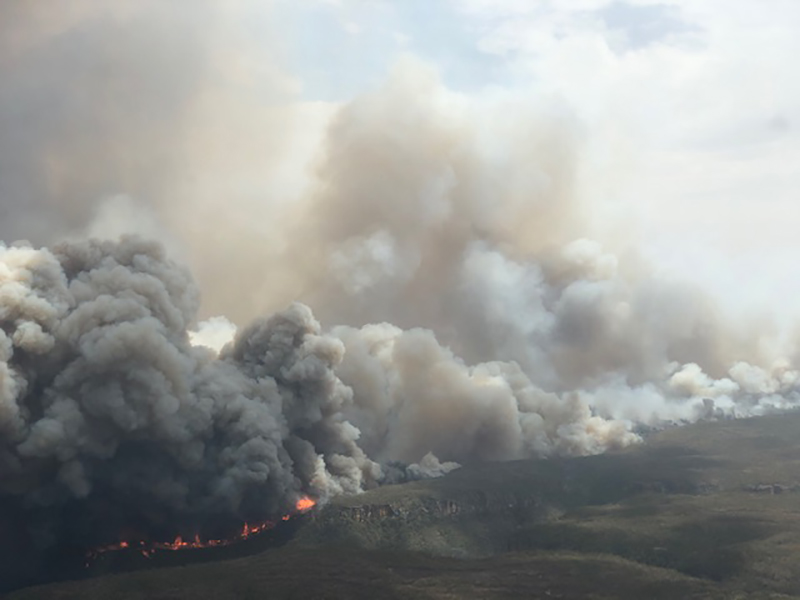
Figure 10.7 The wildfires that affected Australia in 2020 are one among many effects of climate change that have harmed both human and animal life in recent years. (credit: “Australian Wildfires” by National Interagency Fire Center/Flickr, Public Domain)
図10.7 2020年にオーストラリアを襲った森林・原野火災は、近年、人間と動物の生命に害を及ぼした気候変動の、多くの影響の一つである。(クレジット:National Interagency Fire Center/Flickrによる「Australian Wildfires」、パブリックドメイン)
Environmental ethics is an area of applied ethics that attempts to identify right conduct in our relationship with the nonhuman world. For decades, scientists have expressed concern about the short- and long-term effects that human activities are having on the climate and Earth’s ecosystems. Many philosophers argue that in order to change our behaviors in ways that result in healing of the natural world, we need to change our thinking about the agency and value of the nonhuman elements (including plants, animals, and even entities such as rivers and mountains) that share the globe with us.
英語のヒント
環境倫理学は、人間以外の世界との関係において、何が正しい行動なのかを明らかにしようとする応用倫理学の一分野である。科学者たちは数十年にわたり、人間の活動が気候と地球の生態系に及ぼしている、短期的・長期的な影響について懸念を表明してきた。多くの哲学者は、自然界の回復につながるように私たちの行動を変えるには、人間以外のものが持つ主体性や価値について、考え方を変える必要があると論じる。そこには、植物や動物だけでなく、川や山のような存在も含まれ、私たちと同じ地球で共に存在している。
Political and Legal Dimensions政治と法律の側面
The environmental movement began with specific worries about air and water pollution and the effects of pesticides on food crops. Rachel Carson’s Silent Spring was influential in the creation of nonprofit organizations and government agencies, such as the US Environmental Protection Agency (EPA), designed to protect human health and the environment. Agencies like the EPA can significantly affect national policy and aspects of the economy related to emissions from factories, use of and disposal of toxic chemicals, and nearly anything else that can adversely impact the environment or human health.
英語のヒント
環境保護運動は、大気汚染や水質汚濁、食用作物への農薬の影響といった、具体的な懸念から始まった。レイチェル・カーソンの『沈黙の春』は、人間の健康と環境を守るための非営利団体や政府機関の設立に影響を与えた。アメリカ環境保護庁(EPA)も、その一例である。EPAのような機関は、工場からの排出、有毒な化学物質の使用と廃棄、さらに、環境や人の健康に悪影響を与えうるほぼあらゆる事柄に関して、国の政策や経済活動に大きな影響を及ぼしうる。
Legal approaches to protecting the environment vary from country to country. The economic drive to produce quickly and efficiently with little to no regulation pits many industrializing countries against the more established economies in Western Europe and North America. China, for example, which currently contributes 43 percent of the world’s annual carbon emissions, is attempting to enact policies that extend beyond mere cleanup to foster regeneration of ecological systems (Gardner 2019). With unaddressed environmental concerns, China is currently facing a loss of financial and intellectual capital as 60 percent of citizens with a net worth of $1.5 million or more have emigrated.
英語のヒント
環境を保護するための法的なアプローチは、国によって異なる。規制がほとんど、あるいはまったくない状態で、速く効率的に生産しようとする経済的な動機は、工業化を進める多くの国を、西ヨーロッパや北アメリカの、より成熟した経済と対立させる。たとえば中国は、現在、世界の年間炭素排出量の43%を占めているが、単に汚染を除去するだけでなく、生態系の再生を促す政策を制定しようとしている(Gardner 2019)。また、環境問題が対処されないままであることから、純資産150万ドル以上の市民の60%が国外へ移住し、中国は現在、資金と知的資本の流出に直面している。
International efforts to address the climate crisis have met with mixed success. In 1985, after scientists discovered that some aerosol sprays were causing holes in the ozone layer in the atmosphere, 20 countries initiated the Montreal Protocol, which banned the use of these sprays. The international community rapidly adopted the agreement, and today 197 countries have signed the treaty. One major reason for this success, however, is that these sprays were relatively easy and inexpensive to replace. Such is not the case for global climate change. Currently, there is no single, viable alternative to the carbon economy—a term used to reference our current economic dependence on carbon-based fuels such as petroleum and coal. Renewable energy sources, such as solar panels, are available, but not at the scale needed to fuel high-energy and high-consumption lifestyles. More than 150 countries have signed the United Nations Framework Convention on Climate Change (UNFCCC), which laid the groundwork for the Kyoto Protocol (1997) and the Paris Agreement (2015). With these agreements, most nations have committed to future goals for reducing fossil fuel emissions, but to date no nation has made significant progress toward these goals. Climate change is a complex problem, intrinsically tied to an economy that depends on access to inexpensive and abundant fuel sources. It is also a problem that cannot be addressed by one nation or group alone but rather calls attention to the shared nature of our planetary ecosystem and the impact that activities in one location have on every other life.
英語のヒント
気候危機への国際的な取り組みは、成功と不成功の入り交じったものになっている。1985年、科学者たちが、一部のエアゾールスプレーが大気中のオゾン層に穴を開けていることを発見した後、20か国がモントリオール議定書を開始し、これらのスプレーの使用を禁じた。国際社会は速やかに合意を採用し、今日では197か国がこの条約に署名している。しかし、この成功の大きな理由の一つは、問題のスプレーを、比較的簡単に、低い費用で置き換えられたことにある。地球規模の気候変動では、事情が異なる。現在、炭素経済、すなわち石油や石炭のような炭素を含む燃料に依存する私たちの経済に代わる、実行可能な単一の選択肢は存在しない。太陽光パネルのような再生可能エネルギー源は利用できるが、エネルギーを大量に使い、大量に消費する生活様式を支えるために必要な規模には達していない。150か国以上が国連気候変動枠組条約(UNFCCC)に署名した。この条約は、京都議定書(1997年)とパリ協定(2015年)の基礎となった。これらの合意によって、ほとんどの国は、化石燃料からの排出を減らす将来の目標を約束したが、今日まで、どの国もその目標に向けた大きな進歩を遂げていない。気候変動は、安く豊富な燃料を利用することに依存した経済と、切り離せない形で結び付いた複雑な問題である。また、一国や一つの集団だけでは対処できない問題でもある。この問題は、地球の生態系が共有されたものであること、そして、ある場所での活動が、他のすべての生命に影響を及ぼすことへ、注意を向けさせる。