第1章過去を理解するUnderstanding the Past
1.1 Developing a Global Perspective1.1 地球規模の視点を養う
Learning Objectives学習の目標
By the end of this section, you will be able to:
この節を学ぶと、次のことができるようになる。
Identify the role history plays in higher education
高等教育で歴史が果たす役割を説明する。
Discuss the ways in which the study of history can build skills for lifelong learning and success
歴史を学ぶことが、生涯にわたる学習と成功に必要な技能をどのように育てるかを論じる。
Explain how the features of this text will optimize your learning experience
この教科書の特色が、学習をどのように充実させるかを説明する。
From the legends of Troy heralded by Homer to the contents of digital archives accessed by modern students, the human story has fascinated and instructed those who have tried to understand its complexities. Knowing the past has long been considered a mark of civilization, and its study has never been more important. We have all heard the philosopher George Santayana’s observation, “Those who do not learn from history are doomed to repeat it.” Yet because history is an ever-changing collection of events influenced and shaped by a variety of causes and outcomes, it never truly repeats at all.
英語のヒント
ホメロスが歌い伝えたトロイの伝説から、現代の学生が閲覧するデジタル史料まで、人類の物語は、その複雑さを理解しようとする人々を魅了し、教えを与えてきた。過去を知ることは長く文明のしるしと考えられてきたが、それを学ぶ重要性はかつてないほど高まっている。哲学者ジョージ・サンタヤーナの「歴史から学ばない者は、それを繰り返す運命にある」という言葉を、誰もが聞いたことがあるだろう。しかし歴史は、さまざまな原因や結果に影響され、形作られながら絶えず変化する出来事の集積なので、実際には決してそのまま繰り返されることはない。
Santayana’s comment rings true, however, in that we can discern patterns of human behavior by careful study of the past. To know history is to know ourselves, and understanding history’s nuances opens our imaginations to the possibilities each new situation creates. It is this knowledge of possibilities that allows the student of history to see the present with more clarity and prescience.
英語のヒント
それでもサンタヤーナの言葉がもっともだと思えるのは、過去を注意深く研究すると、人間の行動に一定の型を見いだせるからである。歴史を知ることは自分たちを知ることであり、歴史の微妙な違いを理解すると、新たな状況が生み出すさまざまな可能性を想像できるようになる。歴史を学ぶ人が、より明晰に、先を見通しながら現在を捉えられるのは、まさにこうした可能性を知っているからである。
World History as Preparation for Life after College大学卒業後の人生への備えとしての世界史
History is more than a series of names and dates; those are simply its building blocks, the pieces necessary for completing the whole picture. History is a story, the human story, that connects us both to each other and to the generations that lived before us. And today we study history in a way that grounds students in this shared past while also preparing them for their futures. The liberal arts are intended to help students find fulfillment, to better themselves and their communities through meaningful self-reflection and development. But they have also always prepared students to enter the workplace by honing career skills. To say that a world history class prepares students for the workplace is simply to acknowledge what has always been true.
英語のヒント
歴史は名前と年代を並べたものにとどまらない。それらは歴史を組み立てる材料、全体像を完成させるために必要な断片にすぎない。歴史とは物語であり、人類の物語である。それは私たちを互いに結び付けるとともに、先人たちの世代にも結び付ける。今日の歴史学習は、この共有された過去に学生を根付かせながら、将来への準備も整える。リベラルアーツ教育は、学生が充実した人生を見いだし、意義ある自己省察と成長を通じて、自分自身と所属する共同体をよりよくしていくことを目指す。それと同時に、職業上の技能を磨くことで、学生が働く場に入る準備を常に担ってきた。世界史の授業が仕事への備えになると言うことは、これまでも真実であったことを認めるだけなのである。
This world history text has several key features that will help you understand the past in ways that are relevant to the present. Perhaps most important is its recognition that the study of world history prepares us to meet modern challenges. To cover the history of the whole world is daunting, perhaps, but a student must be prepared to engage with the globalization processes that have dominated history for the past few centuries. People around the globe are more integrated than ever by social and economic forces that transcend national boundaries. Both your private and public lives will require knowledge of the world and its people. Understanding the diversity of peoples and ideas and possessing cultural empathy and awareness will allow you to meet global complexities with competence.
英語のヒント
この世界史の教科書には、現在と関連付けながら過去を理解するための重要な特色がいくつかある。おそらく最も重要なのは、世界史の学習が現代の課題に取り組むための備えになる、という認識である。世界全体の歴史を扱うのは気が遠くなることかもしれない。それでも学生は、ここ数世紀の歴史を大きく方向付けてきたグローバル化の過程に関わる準備をしておく必要がある。世界各地の人々は、国境を越える社会的・経済的な力によって、かつてなく強く結び付いている。私生活でも公的な活動でも、世界とそこに暮らす人々についての知識が必要になる。人々と思想の多様性を理解し、異文化への共感と理解を身に付ければ、複雑な世界の課題に適切に対処できるようになる。
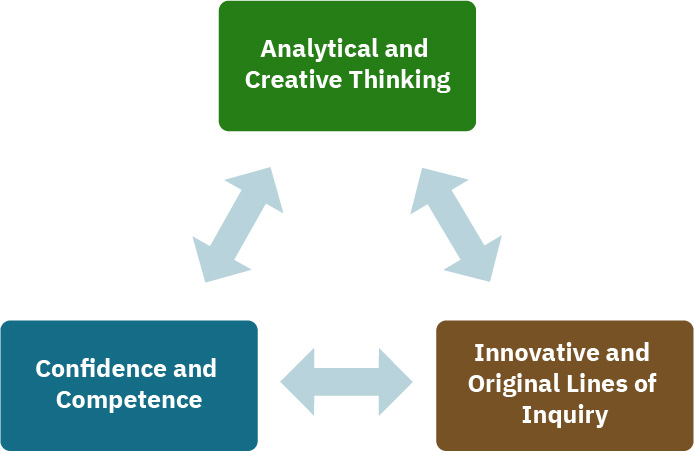
The study of history will also enhance your critical-thinking and analytical ability, both of which consistently appear among the top ten skills desired by employers (Figure 1.2). Other skills that have become increasingly important include adaptive thinking, social intelligence, cross-cultural competency, and media literacy. This final skill is critical to modern workplaces. History teaches students how to assess and analyze the material they are reading, as well as how to develop and present content in a meaningful and persuasive way. It also hones a creative mindset that is flexible and open to interpretations and ideas outside our own worldview.
英語のヒント
歴史の学習は、批判的に考える力と分析力も高める。これらはどちらも、雇用主が求める技能の上位10位以内に常に挙げられている(図1.2)。重要性が増しているほかの技能には、状況に応じて考える力、社会的知性、異文化への対応能力、メディア・リテラシーがある。最後の技能は、現代の職場で極めて重要である。歴史を学ぶことで、読んでいる資料を評価・分析する方法と、意味が伝わり説得力のある内容を作り、提示する方法を学べる。また、自分自身の世界観の外にある解釈や考えにも開かれた、柔軟で創造的な思考態度が磨かれる。
Do You Have These Skills?こうした技能を身に付けているだろうか。
(attribution: Copyright Rice University, OpenStax, under CC BY 4.0 license) · CC BY 4.0
Figure 1.2 The top skills employers will value in 2025, according to the World Economic Forum, include innovative inquiry and creative thinking. You will develop and practice many of these skills in this course. (attribution: Copyright Rice University, OpenStax, under CC BY 4.0 license)
図1.2 世界経済フォーラムによれば、2025年に雇用主が重視する技能の上位には、革新的な探究や創造的思考が含まれる。この授業では、そうした技能の多くを身に付け、実践する。(権利表示:Copyright Rice University, OpenStax、CC BY 4.0)
Without question, skills such as critical thinking, analysis, and creativity are developed best through the study of history. Historians must be truly multidisciplinary in the sense that they observe and gather as much information as they can and then interpret that data with the aim of drawing conclusions. The historian also must be a creative thinker because the source material—the data—is human, making it the most complex data imaginable. Historical data is as diverse as the people who make it, and it might be everything from the edicts of kings to the tunes played by street musicians. Historians must also be effective communicators. Who cares about a story nobody reads or a product nobody buys? What company in the world could not use and value someone who can think critically and creatively and then explain and communicate effectively? Historical thinking also provides students with a stronger sense of self, with avenues to explore human existence, and with the skills necessary to navigate the complexity of their world and future workplaces.
英語のヒント
批判的思考、分析力、創造性といった技能を育てるうえで、歴史の学習が最良の方法であることに疑いはない。歴史家は、できるかぎり多くの情報を観察・収集し、それを解釈して結論を導くという意味で、真に学際的でなければならない。史料、つまりデータが人間に関わるものであり、想像できるなかで最も複雑なデータである以上、歴史家には創造的な思考も必要になる。歴史のデータは、それを生み出す人々と同じほど多様で、王の勅令から街頭の音楽家が奏でる曲まで、あらゆるものが含まれうる。歴史家には、効果的に伝える力も必要である。誰も読まない物語や、誰も買わない製品に関心を持つ人がいるだろうか。批判的かつ創造的に考え、それを効果的に説明・伝達できる人を、活用し評価できない企業が世界にあるだろうか。歴史的に考えることは、学生に、自分自身へのいっそう確かな認識、人間の存在を探究する道筋、そして自分たちの世界や将来の職場の複雑さに対処するための技能も与える。
This text and its assessment questions will encourage you to analyze large amounts of information, to understand a myriad of concepts, and to make connections across topics. Developing cultural awareness and empathy is also critically important, and studying world history is a way to ensure you have this necessary skill. The influential job site Indeed.com says, “[Quotation omitted for rights reasons.]”
英語のヒント
この教科書とその評価問題は、多くの情報を分析し、無数の概念を理解し、話題同士のつながりを見いだすよう促す。文化への理解と共感を育てることも極めて重要であり、世界史を学ぶことは、この必要な技能を確実に身に付けるための一つの方法である。有力な求人サイトIndeed.comは、次のように述べている。〔権利の関係で割愛〕