第11章パーソナリティ
Carl Jungカール・ユング
Carl Jung (Figure 11.9) was a Swiss psychiatrist and protégé of Freud, who later split off from Freud and developed his own theory, which he called analytical psychology. The focus of analytical psychology is on working to balance opposing forces of conscious and unconscious thought and experience within one’s personality. According to Jung, this work is a continuous learning process—mainly occurring in the second half of life—of becoming aware of unconscious elements and integrating them into consciousness.
英語のヒント
カール・ユング(図11.9)はスイスの精神科医で、フロイトの弟子だったが、のちにフロイトと決別して独自の理論を発展させ、それを分析心理学と呼んだ。分析心理学が焦点を当てるのは、自分のパーソナリティの中で、意識的な思考・経験と無意識的な思考・経験という対立する力のバランスを取ろうと努めることである。ユングによれば、この取り組みは、無意識の要素に気づき、それを意識に統合していく継続的な学習の過程であり、主に人生の後半に起こる。
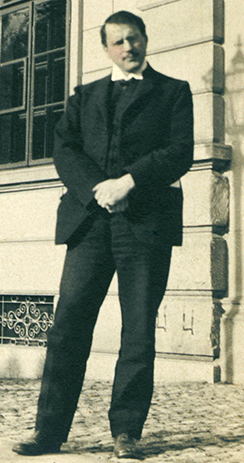

Figure 11.9図 11.9
Carl Jung was interested in exploring the collective unconscious.
カール・ユングは、集合的無意識の探究に関心を持っていた。
Jung’s split from Freud was based on two major disagreements. First, Jung, like Adler and Erikson, did not accept that sexual drive was the primary motivator in a person’s mental life. Second, although Jung agreed with Freud’s concept of a personal unconscious, he thought it to be incomplete. In addition to the personal unconscious, Jung focused on the collective unconscious.
英語のヒント
ユングがフロイトと決別したのは、二つの大きな意見の相違からだった。第一に、ユングは、アドラーやエリクソンと同じく、性的欲動が人の精神生活の主な原動力だという考えを受け入れなかった。第二に、ユングは個人的無意識というフロイトの概念には同意したものの、それは不完全だと考えた。ユングは個人的無意識に加えて、集合的無意識に焦点を当てた。
The collective unconscious is a universal version of the personal unconscious, holding mental patterns, or memory traces, which are common to all of us (Jung, 1928). These ancestral memories, which Jung called archetypes, are represented by universal themes in various cultures, as expressed through literature, art, and dreams (Jung). Jung said that these themes reflect common experiences of people the world over, such as facing death, becoming independent, and striving for mastery. Jung (1964) believed that through biology, each person is handed down the same themes and that the same types of symbols—such as the hero, the maiden, the sage, and the trickster—are present in the folklore and fairy tales of every culture. In Jung’s view, the task of integrating these unconscious archetypal aspects of the self is part of the self-realization process in the second half of life. With this orientation toward self-realization, Jung parted ways with Freud’s belief that personality is determined solely by past events and anticipated the humanistic movement with its emphasis on self-actualization and orientation toward the future.
英語のヒント
集合的無意識とは、個人的無意識を普遍的なものにした形であり、私たち全員に共通する心的なパターン、すなわち記憶痕跡を保持している(Jung, 1928)。ユングが元型と呼んだこれらの祖先から受け継いだ記憶は、文学や芸術、夢を通して表現されるように、さまざまな文化に見られる普遍的なテーマによって表される(Jung)。ユングは、これらのテーマは、死に直面すること、自立すること、熟達をめざして努力することなど、世界中の人々に共通する経験を反映していると述べた。ユング(1964)は、生物学的な仕組みを通して一人ひとりに同じテーマが受け継がれており、英雄、乙女、賢者、トリックスターといった同じ種類の象徴が、あらゆる文化の民間伝承やおとぎ話に存在すると考えた。ユングの見方では、自己のこうした無意識の元型的な側面を統合していく課題は、人生の後半における自己実現の過程の一部である。このように自己実現を志向したことで、ユングは、パーソナリティはもっぱら過去の出来事によって決まるというフロイトの信念と袂を分かち、自己実現と未来への志向を強調する人間主義の運動を先取りした。
Jung also proposed two attitudes or approaches toward life: extroversion and introversion (Jung, 1923) (Table 11.3). These ideas are considered Jung’s most important contributions to the field of personality psychology, as almost all models of personality now include these concepts. If you are an extrovert, then you are a person who is energized by being outgoing and socially oriented: You derive your energy from being around others. If you are an introvert, then you are a person who may be quiet and reserved, or you may be social, but your energy is derived from your inner psychic activity. Jung believed a balance between extroversion and introversion best served the goal of self-realization.
英語のヒント
ユングはまた、人生に対する二つの態度、あるいは向き合い方として、外向性と内向性を提唱した(Jung, 1923)(表11.3)。今ではほとんどすべてのパーソナリティのモデルがこれらの概念を含んでいることから、この考えは、パーソナリティ心理学の分野に対するユングの最も重要な貢献とみなされている。あなたが外向型なら、社交的で、人とのかかわりに目が向いていることによって活力を得る人である。つまり、他者のそばにいることからエネルギーを得る。あなたが内向型なら、物静かで控えめな人かもしれないし、社交的な人かもしれない。しかし、あなたのエネルギーは自分の内面の心的活動から得られる。ユングは、外向性と内向性のバランスが、自己実現という目標に最もよくかなうと考えた。
Introverts and Extroverts 内向型と外向型 |
|
|---|---|
Introvert 内向型 |
Extrovert 外向型 |
Energized by being alone 一人でいることで活力を得る |
Energized by being with others 他者と一緒にいることで活力を得る |
Avoids attention 注目を避ける |
Seeks attention 注目を求める |
Speaks slowly and softly ゆっくり静かに話す |
Speaks quickly and loudly 早口で大きな声で話す |
Thinks before speaking 話す前に考える |
Thinks out loud 考えながら口に出す |
Stays on one topic 一つの話題にとどまる |
Jumps from topic to topic 話題があちこちに飛ぶ |
Prefers written communication 書いて伝えることを好む |
Prefers verbal communication 口頭で伝えることを好む |
Pays attention easily 注意を払いやすい |
Distractible 気が散りやすい |
Cautious 慎重 |
Acts first, thinks later まず行動し、あとで考える |
Another concept proposed by Jung was the persona, which he referred to as a mask that we adopt. According to Jung, we consciously create this persona; however, it is derived from both our conscious experiences and our collective unconscious. What is the purpose of the persona? Jung believed that it is a compromise between who we really are (our true self) and what society expects us to be. We hide those parts of ourselves that are not aligned with society’s expectations.
英語のヒント
ユングが提唱したもう一つの概念はペルソナであり、ユングはこれを、私たちが身につける仮面と呼んだ。ユングによれば、私たちはこのペルソナを意識的につくり出すが、ペルソナは、意識的な経験と集合的無意識の両方から生じる。ペルソナの目的は何だろうか。ユングは、ペルソナとは、本当の自分(真の自己)と、社会が私たちに期待する姿との妥協の産物だと考えた。私たちは、自分の中の、社会の期待にそぐわない部分を隠すのである。