第9章生涯発達
9.2 Lifespan Theories9.2 生涯発達の理論
Learning Objectives学習目標
By the end of this section, you will be able to:
この節を学び終えると、次のことができるようになる。
- Discuss Freud’s theory of psychosexual developmentフロイトの心理性的発達理論について論じる
- Describe the major tasks of child and adult psychosocial development according to Eriksonエリクソンによる、子どもと大人の心理社会的発達の主な課題を説明する
- Discuss Piaget’s view of cognitive development and apply the stages to understanding childhood cognitionピアジェの認知発達についての見方を論じ、その段階を子どもの認知の理解に当てはめる
- Describe Kohlberg’s theory of moral developmentコールバーグの道徳性発達理論を説明する
- Compare and contrast the strengths and weaknesses of major developmental theories主な発達理論の長所と短所を比較・対照する
There are many theories regarding how babies and children grow and develop into happy, healthy adults. We explore several of these theories in this section.
英語のヒント
赤ちゃんや子どもがどのように成長し発達して、幸せで健康な大人になるのかについては、多くの理論がある。この節では、そのうちのいくつかを見ていく。
Psychosexual Theory of Development心理性的発達理論
Sigmund Freud (1856–1939) believed that personality develops during early childhood. For Freud, childhood experiences shape our personalities and behavior as adults. Freud viewed development as discontinuous; he believed that each of us must pass through a series of stages during childhood, and that if we lack proper nurturance and parenting during a stage, we may become stuck, or fixated, in that stage. Freud’s stages are called the stages of psychosexual development. According to Freud, children’s pleasure-seeking urges are focused on a different area of the body, called an erogenous zone, at each of the five stages of development: oral, anal, phallic, latency, and genital.
英語のヒント
ジークムント・フロイト(1856〜1939)は、パーソナリティは幼児期に発達すると考えた。フロイトにとって、子ども時代の経験は、大人になってからの私たちのパーソナリティと行動を形づくるものだった。フロイトは発達を非連続的なものとみなした。彼の考えでは、私たちは誰もが子ども時代に一連の段階を通過しなければならず、ある段階のあいだに適切な養育や子育てが欠けていると、その段階で行き詰まる、すなわち固着するかもしれない。フロイトの段階は、心理性的発達の段階と呼ばれる。フロイトによれば、子どもの快楽を求める衝動は、発達の五つの段階、すなわち口唇期、肛門期、男根期、潜伏期、性器期のそれぞれで、性感帯と呼ばれる身体の異なる部位に向けられる。
While most of Freud’s ideas have not found support in modern research, we cannot discount the contributions that Freud has made to the field of psychology. Psychologists today dispute Freud's psychosexual stages as a legitimate explanation for how one's personality develops, but what we can take away from Freud’s theory is that personality is shaped, in some part, by experiences we have in childhood. These stages are discussed in detail in the chapter on personality.
英語のヒント
フロイトの考えの大半は現代の研究で支持を得ていないが、フロイトが心理学の分野にもたらした貢献を軽視することはできない。今日の心理学者は、フロイトの心理性的段階が、人のパーソナリティがどのように発達するかについての正当な説明であることに異を唱えている。しかし、フロイトの理論から私たちが汲み取れるのは、パーソナリティはある程度、子ども時代の経験によって形づくられる、ということである。これらの段階については、パーソナリティの章で詳しく論じる。
Psychosocial Theory of Development心理社会的発達理論
Erik Erikson (1902–1994) (Figure 9.4), another stage theorist, took Freud’s theory and modified it as psychosocial theory. Erikson’s psychosocial development theory emphasizes the social nature of our development rather than its sexual nature. While Freud believed that personality is shaped only in childhood, Erikson proposed that personality development takes place all through the lifespan. Erikson suggested that how we interact with others is what affects our sense of self, or what he called the ego identity.
英語のヒント
もう一人の段階理論家であるエリク・エリクソン(1902〜1994)(図9.4)は、フロイトの理論を取り上げ、それを心理社会的理論として修正した。エリクソンの心理社会的発達理論は、私たちの発達の性的な性質ではなく、社会的な性質を重視する。フロイトはパーソナリティが子ども時代にしか形づくられないと考えたが、エリクソンは、パーソナリティの発達は生涯を通じて起こると提唱した。エリクソンは、私たちの自己の感覚、すなわち彼が自我同一性と呼んだものに影響を与えるのは、私たちが他者とどのように関わるかだと示唆した。
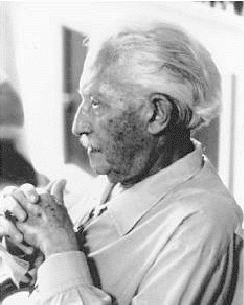

Figure 9.4図 9.4
Erik Erikson proposed the psychosocial theory of development. In each stage of Erikson’s theory, there is a psychosocial task that we must master in order to feel a sense of competence.
エリク・エリクソンは心理社会的発達理論を提唱した。エリクソンの理論の各段階には、有能感を得るために私たちが達成しなければならない心理社会的課題がある。
Erikson proposed that we are motivated by a need to achieve competence in certain areas of our lives. According to psychosocial theory, we experience eight stages of development over our lifespan, from infancy through late adulthood. At each stage there is a conflict, or task, that we need to resolve. Successful completion of each developmental task results in a sense of competence and a healthy personality. Failure to master these tasks leads to feelings of inadequacy.
英語のヒント
エリクソンは、私たちは人生の特定の領域で有能さを得たいという欲求によって動機づけられていると提唱した。心理社会的理論によれば、私たちは生涯のあいだに、乳児期から成人後期まで、発達の八つの段階を経験する。各段階には、私たちが解決する必要のある葛藤、すなわち課題がある。それぞれの発達課題をうまく達成すると、有能感と健全なパーソナリティが得られる。これらの課題を達成できないと、自分は力不足だという感情が生じる。
According to Erikson (1963), trust is the basis of our development during infancy (birth to 12 months). Therefore, the primary task of this stage is trust versus mistrust. Infants are dependent upon their caregivers, so caregivers who are responsive and sensitive to their infant’s needs help their baby to develop a sense of trust; their baby will see the world as a safe, predictable place. Unresponsive caregivers who do not meet their baby’s needs can engender feelings of anxiety, fear, and mistrust; their baby may see the world as unpredictable.
英語のヒント
エリクソン(1963)によれば、乳児期(誕生から12か月まで)の発達の基盤は信頼である。したがって、この段階の主な課題は「信頼対不信」である。乳児は養育者に頼っているので、乳児の欲求にすぐに応え、その欲求に敏感な養育者は、赤ちゃんが信頼の感覚を育むのを助ける。そうした赤ちゃんは、世界を安全で予測できる場所とみなすだろう。赤ちゃんの欲求を満たさない、応答の乏しい養育者は、不安や恐れ、不信の感情を生みうる。そうした赤ちゃんは、世界を予測できない場所とみなすかもしれない。
As toddlers (ages 1–3 years) begin to explore their world, they learn that they can control their actions and act on the environment to get results. They begin to show clear preferences for certain elements of the environment, such as food, toys, and clothing. A toddler’s main task is to resolve the issue of autonomy versus shame and doubt, by working to establish independence. This is the “me do it” stage. For example, we might observe a budding sense of autonomy in a 2-year-old child who wants to choose her clothes and dress herself. Although her outfits might not be appropriate for the situation, her input in such basic decisions has an effect on her sense of independence. If denied the opportunity to act on her environment, she may begin to doubt her abilities, which could lead to low self-esteem and feelings of shame.
英語のヒント
よちよち歩きの幼児(1〜3歳)は、自分の世界を探索しはじめるにつれて、自分の行動を制御でき、環境に働きかけて結果を得られることを学ぶ。食べ物、おもちゃ、服など、環境の中の特定のものに対して、はっきりとした好みを示しはじめる。この時期の幼児の主な課題は、自立を確立しようと努めることによって、「自律性対恥・疑惑」という問題を解決することである。これは「自分でやる」の段階である。たとえば、自分の服を選んで自分で着たがる2歳の女の子に、芽生えつつある自律性の感覚を見ることがあるだろう。選んだ服装はその場にふさわしくないかもしれないが、こうした基本的な決定に本人が意見を出すことは、その子の自立の感覚に影響を与える。環境に働きかける機会を与えられないと、その子は自分の能力を疑いはじめるかもしれず、それが低い自尊心や恥の感情につながる可能性がある。
Once children reach the preschool stage (ages 3–6 years), they are capable of initiating activities and asserting control over their world through social interactions and play. According to Erikson, preschool children must resolve the task of initiative versus guilt. By learning to plan and achieve goals while interacting with others, preschool children can master this task. Those who do will develop self-confidence and feel a sense of purpose. Those who are unsuccessful at this stage—with their initiative misfiring or stifled—may develop feelings of guilt. How might over-controlling parents stifle a child’s initiative?
英語のヒント
子どもは就学前の段階(3〜6歳)に達すると、社会的なやりとりや遊びを通して、自分から活動を始めたり、自分の世界に対する支配力を発揮したりできるようになる。エリクソンによれば、就学前の子どもは「自主性対罪悪感」という課題を解決しなければならない。他者と関わりながら目標を立てて達成することを学ぶことで、就学前の子どもはこの課題を達成できる。それができた子どもは、自信を育み、目的の感覚を持つようになる。この段階でうまくいかない子ども、つまり自主性が空回りしたり押さえつけられたりした子どもは、罪悪感を抱くようになるかもしれない。支配的すぎる親は、どのようにして子どもの自主性を押さえつけてしまう可能性があるだろうか。
During the elementary school stage (ages 7–11), children face the task of industry versus inferiority. Children begin to compare themselves to their peers to see how they measure up. They either develop a sense of pride and accomplishment in their schoolwork, sports, social activities, and family life, or they feel inferior and inadequate when they don’t measure up. What are some things parents and teachers can do to help children develop a sense of competence and a belief in themselves and their abilities?
英語のヒント
小学校の時期(7〜11歳)には、子どもは「勤勉性対劣等感」という課題に直面する。子どもは、自分が仲間に引けを取らないかどうかを確かめるために、自分を仲間と比べはじめる。そして、勉強、スポーツ、社会的な活動、家庭生活で誇りと達成感を育むか、そうでなければ、仲間に及ばないときに劣等感や力不足を感じるかのどちらかになる。子どもが有能感と、自分自身と自分の能力への信頼を育むのを助けるために、親や教師にできることにはどんなものがあるだろうか。
In adolescence (ages 12–18), children face the task of identity versus role confusion. According to Erikson, an adolescent’s main task is developing a sense of self. Adolescents struggle with questions such as “Who am I?” and “What do I want to do with my life?” Along the way, most adolescents try on many different selves to see which ones fit. Adolescents who are successful at this stage have a strong sense of identity and are able to remain true to their beliefs and values in the face of problems and other people’s perspectives. What happens to apathetic adolescents, who do not make a conscious search for identity, or those who are pressured to conform to their parents’ ideas for the future? These teens will have a weak sense of self and experience role confusion. They are unsure of their identity and confused about the future.
英語のヒント
青年期(12〜18歳)には、子どもは「アイデンティティ対役割の混乱」という課題に直面する。エリクソンによれば、青年の主な課題は自己の感覚を育むことである。青年は「自分は何者か」「人生で何をしたいのか」といった問いに悩む。その過程で、ほとんどの青年は、どれが自分に合うかを確かめるために、さまざまな自分を試してみる。この段階でうまくいった青年は、強いアイデンティティの感覚を持ち、問題や他者の見方に直面しても、自分の信念や価値観に忠実であり続けることができる。では、アイデンティティを意識的に探そうとしない無気力な青年や、将来について親の考えに従うよう圧力をかけられている青年には、何が起こるのだろうか。こうした十代の若者は、自己の感覚が弱く、役割の混乱を経験するだろう。彼らは自分のアイデンティティに確信が持てず、将来について混乱している。
People in early adulthood (ages 19–29) are concerned with intimacy versus isolation. After we have developed a sense of self in adolescence, we are ready to share our life with others. Erikson said that we must have a strong sense of self before developing intimate relationships with others. Adults who do not develop a positive self-concept in adolescence may experience feelings of loneliness and emotional isolation.
英語のヒント
成人前期(19〜29歳)の人々にとっては、「親密性対孤立」が関心事となる。青年期に自己の感覚を育んだ後、私たちは自分の人生を他者と分かち合う準備が整う。エリクソンは、他者と親密な関係を築く前に、強い自己の感覚を持っていなければならないと述べた。青年期に肯定的な自己概念を育まなかった大人は、孤独感や情緒的な孤立を経験するかもしれない。
When people reach 30, they enter the time known as middle adulthood, which extends to age 64. The social task of middle adulthood is generativity versus stagnation. Generativity involves finding your life’s work and contributing to the development of others, through activities such as volunteering, mentoring, and raising children. Those who do not master this task may experience stagnation, having little connection with others and little interest in productivity and self-improvement.
英語のヒント
30歳になると、人は成人中期と呼ばれる時期に入り、それは64歳まで続く。成人中期の社会的課題は「世代性対停滞」である。世代性とは、ボランティア活動、後進の指導、子育てなどの活動を通して、自分の生涯の仕事を見つけ、他者の発達に貢献することである。この課題を達成できない人は停滞を経験するかもしれない。他者とのつながりをほとんど持たず、生産性や自己向上にもほとんど関心を持たない状態である。
From age 65 to the end of life, we are in the period of development known as late adulthood. Erikson’s task at this stage is called integrity versus despair. He said that people in late adulthood reflect on their lives and feel either a sense of satisfaction or a sense of failure. People who feel proud of their accomplishments feel a sense of integrity, and they can look back on their lives with few regrets. However, people who are not successful at this stage may feel as if their life has been wasted. They focus on what “would have,” “should have,” and “could have” been. They face the end of their lives with feelings of bitterness, depression, and despair. Table 9.1 summarizes the stages of Erikson’s theory.
英語のヒント
65歳から人生の終わりまで、私たちは成人後期と呼ばれる発達の時期にある。この段階のエリクソンの課題は「統合対絶望」と呼ばれる。エリクソンによれば、成人後期の人は自分の人生を振り返り、満足感か挫折感のどちらかを抱く。自分が成し遂げたことを誇りに思う人は統合の感覚を持ち、ほとんど後悔することなく人生を振り返ることができる。しかし、この段階でうまくいかない人は、自分の人生が無駄だったかのように感じるかもしれない。彼らは「こうなっていたかもしれない」「こうあるべきだった」「こうなりえた」ことに目を向ける。そして、苦々しさや抑うつ、絶望の感情を抱きながら人生の終わりに向き合う。表9.1は、エリクソンの理論の段階をまとめたものである。
Erikson’s Psychosocial Stages of Development エリクソンの心理社会的発達段階 |
|||
|---|---|---|---|
Stage 段階 |
Age (years) 年齢(歳) |
Developmental Task 発達課題 |
Description 説明 |
1 |
0–1 |
Trust vs. mistrust 信頼対不信 |
Trust (or mistrust) that basic needs, such as nourishment and affection, will be met 栄養や愛情といった基本的な欲求が満たされるという信頼(または不信) |
2 |
1–3 |
Autonomy vs. shame/doubt 自律性対恥・疑惑 |
Develop a sense of independence in many tasks 多くの作業で自立の感覚を育む |
3 |
3–6 |
Initiative vs. guilt 自主性対罪悪感 |
Take initiative on some activities—may develop guilt when unsuccessful or boundaries overstepped いくつかの活動で自主性を発揮する。うまくいかなかったときや、限度を踏み越えたときには、罪悪感を抱くことがある |
4 |
7–11 |
Industry vs. inferiority 勤勉性対劣等感 |
Develop self-confidence in abilities when competent or sense of inferiority when not 有能であれば自分の能力への自信を育み、そうでなければ劣等感を育む |
5 |
12–18 |
Identity vs. confusion アイデンティティ対混乱 |
Experiment with and develop identity and roles アイデンティティと役割を試し、育む |
6 |
19–29 |
Intimacy vs. isolation 親密性対孤立 |
Establish intimacy and relationships with others 他者との親密さと関係を築く |
7 |
30–64 |
Generativity vs. stagnation 世代性対停滞 |
Contribute to society and be part of a family 社会に貢献し、家族の一員となる |
8 |
65– |
Integrity vs. despair 統合対絶望 |
Assess and make sense of life and meaning of contributions 人生と自分の貢献の意味を評価し、理解する |