第11章政治哲学Political Philosophy
11.4 Political Ideologies11.4 政治イデオロギー
Learning Objectives学習目標
By the end of this section, you will be able to:
この節を学び終えると、次のことができるようになる。
Identify key ideologies or theories in political philosophy, such as conservatism, liberalism, egalitarianism, socialism, and anarchism.
保守主義、自由主義、平等主義、社会主義、無政府主義など、政治哲学の主要な思想や理論を挙げる。
Discuss distributive justice within political ideologies.
政治イデオロギーにおける分配的正義を論じる。
Demonstrate how alienation continues to be a problem for workers in modern industrial societies.
現代の産業社会で、疎外が労働者の問題として続いていることを示す。
When Bernie Sanders, the American senator from Vermont, ran for president of the United States in 2016 as a democratic socialist, he set off an intense debate in the country. What exactly was democratic socialism? This was a debate about political ideologies, or people’s beliefs about how a society should be run. Ideology can shape policies and laws, as the individuals holding office and positions of authority and the people who elect them are often influenced by ideological beliefs. This section looks at some key ideologies that have influenced how people think about their rights and the responsibilities of government.
英語のヒント
アメリカのバーモント州選出の上院議員バーニー・サンダースが、2016年に民主社会主義者として大統領選に出馬したとき、国内で激しい論争を引き起こした。民主社会主義とは、いったい何なのか。これは、政治イデオロギー、すなわち社会をどう運営すべきかについての人々の信念をめぐる論争だった。公職や権威ある地位に就く人々と、その人々を選ぶ有権者は、しばしば思想上の信念の影響を受けるため、イデオロギーは政策や法律を形づくりうる。この節では、人々が自らの権利と政府の責任を考える仕方に影響した、いくつかの主要な思想を検討する。
Distributive Justice分配的正義
One of the important differences among the ideologies examined below is how they approach the question of distributive justice. Distributive justice can be seen as a moral framework made up of principles that seek to ensure the greatest amount of fairness with respect to distributions of wealth, goods, and services (Olsaretti 2018). However, there is much debate surrounding what amounts to fairness. Is a just society one that provides for its members, allocating resources based on need, or is it one that allows for the greatest amount of personal freedom, even if that means that some members are radically better off than others? Furthermore, given that individuals begin at varying positions of social and economic status, should a society focus on meeting the needs of its disadvantaged members even if that results in an unequal distribution of goods, or should there be as little governmental interference as possible?
英語のヒント
以下で検討する思想の間の重要な違いの一つは、分配的正義の問いにどう取り組むかである。分配的正義は、富、財、サービスの分配について、可能なかぎりの公正さを確保しようとする諸原理から成る、道徳的枠組みと捉えられる(Olsaretti 2018)。しかし、何をもって公正とするかについては、多くの論争がある。公正な社会とは、必要に応じて資源を配分し、成員の生活を支える社会なのか。それとも、ある成員が他の成員よりはるかに恵まれることになっても、個人の自由を最大限に認める社会なのか。さらに、人はそれぞれ異なる社会的・経済的地位から出発する以上、財の分配が不平等になるとしても、社会は不利な立場の成員の必要を満たすことに重点を置くべきなのか。それとも、政府の介入は可能なかぎり少なくすべきなのか。
It is tempting to see distributive justice as a theoretical moral concern. However, views on what constitute basic needs, what resources should be considered public versus private, and whether or not there should be restrictions on the free market have real, practical ramifications when considered by governing bodies. Given this, it is important to keep in mind the role that principles of distributive justice play in the ideologies discussed below.
英語のヒント
分配的正義は、理論上の道徳的問題だと見たくなるかもしれない。しかし、何が基本的な必要をなすか、どの資源を公共のものとし、どの資源を私的なものとするか、自由市場に制限を設けるべきかどうかについての見解は、統治機関によって検討されるとき、現実の実際的な影響をもつ。このため、以下で論じる思想において、分配的正義の諸原理が果たす役割を念頭に置くことが重要である。
Conservatism保守主義
Conservativism is a political theory that favors institutions and practices that have demonstrated their value over time and provided sufficient evidence that they are worth preserving and promoting. Conservatism sees the role of government as serving society rather than controlling it and advocates gradual change in the social order, if and when necessary.
英語のヒント
保守主義は、時を経て自らの価値を示し、維持し発展させるに値することの十分な証拠を与えてきた制度や慣行を重んじる政治理論である。保守主義は、政府の役割を、社会を統制することよりも、社会に仕えることと捉え、必要となった場合には、社会秩序の漸進的な変化を擁護する。
Edmund Burke and the French Revolutionエドマンド・バークとフランス革命
Modern conservatism begins with the 18th-century Irish political theorist Edmund Burke (1729–1797), who opposed the French Revolution and whose Reflections on the French Revolution (1790) served as an inspiration for the development of a conservative political philosophy (Viereck et al. 2021). Shocked by the violence of the French Revolution, Burke advocated against radical revolution that destroyed functioning institutions that, though flawed, served a purpose. However, Burke supported the American Revolution because the colonists had already established political institutions, such as courts and administrations, and were taking the next gradual step: asking Britain to let them run these institutions on their own.
英語のヒント
現代の保守主義は、18世紀アイルランドの政治理論家エドマンド・バーク(1729–1797)に始まる。バークはフランス革命に反対し、その著書『フランス革命の省察』(1790)は、保守的な政治哲学の発展に着想を与えた(Viereck et al. 2021)。フランス革命の暴力に衝撃を受けたバークは、欠陥はあっても目的を果たし、機能している制度を破壊する急進的革命に反対した。しかし、アメリカ革命は支持した。植民者たちは、裁判所や行政機関などの政治制度をすでに確立しており、それらを自分たちで運営させるようイギリスに求めるという、次の漸進的な一歩を踏み出していたからである。
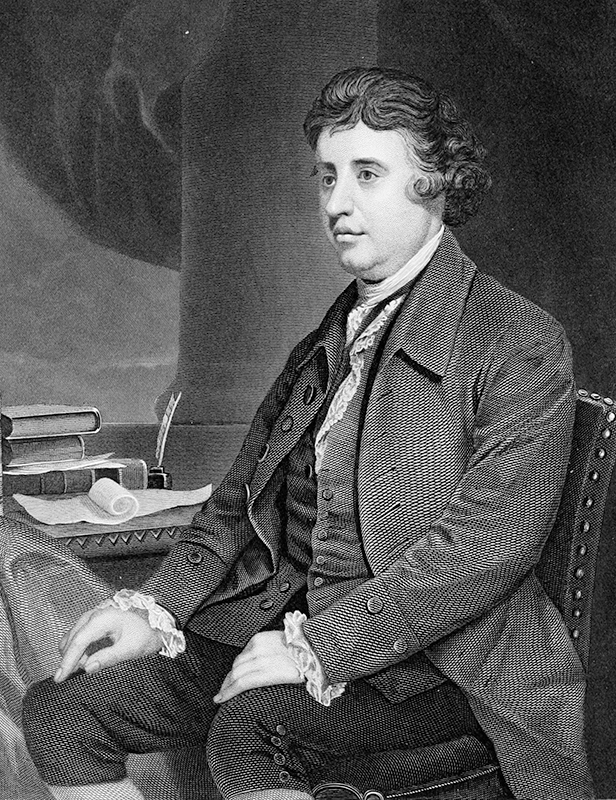
Figure 11.7 The Irish political thinker Edmund Burke is credited with developing the theories that form the basis of modern conservatism. (credit: “Edmund Burke” by Duyckinick, Evert A. Portrait Gallery of Eminent Men and Women in Europe and America. New York: Johnson, Wilson & Company, 1873. p. 159/Wikimedia, Public Domain)
図11.7 アイルランドの政治思想家エドマンド・バークは、現代保守主義の基礎となる理論を発展させた人物とされる。(クレジット:“Edmund Burke”、Duyckinick, Evert A. Portrait Gallery of Eminent Men and Women in Europe and America. New York: Johnson, Wilson & Company, 1873. p. 159/Wikimedia、パブリックドメイン)
Fundamental Principles基本原理
Conservatives such as Burke are not opposed to reform, but they are wary of challenges to existing systems that have generally held up well. They believe that any sudden change is likely to lead to instability and greater insecurity. Moreover, conservatives are not against redistribution of resources, especially when it serves to alleviate severe poverty. However, they believe that such actions are best carried out at a local level (as opposed to a state or national level) by those who understand the needs of the individual community. Finally, conservatives are staunch supporters of property rights and oppose any system of reform that challenges them. Property rights serve as a check on governmental power and are seen as an essential part of a stable society (Moseley n.d.). As such, conservatism aligns with some principles of liberalism.
英語のヒント
バークのような保守主義者は改革に反対するわけではないが、おおむねよく機能してきた既存制度への挑戦には慎重である。急激な変化はどれも、不安定さと不安の増大につながる可能性が高いと考える。さらに保守主義者は、とくに深刻な貧困を和らげるのに役立つ場合、資源の再分配に反対しない。しかし、そのような活動は、州や国の水準ではなく、地域の共同体の必要を理解する人々によって、地域の水準で行われるのが最善だと考える。最後に、保守主義者は財産権を強く支持し、それを脅かすいかなる改革制度にも反対する。財産権は政府権力への歯止めとなり、安定した社会の不可欠な部分と見なされる(Moseley n.d.)。この点で、保守主義は自由主義のいくつかの原理と一致する。
Conservatism maintains that human nature is fundamentally flawed and that we are driven more by selfish desires than by empathy and concern for others. Therefore, it is the job of social institutions such as church and school to teach self-discipline, and it is the job of the government to protect the established, fundamental values of society. Along with this rather Hobbesian view of humankind and belief in the preservation of historical traditions, conservatives believe that weaknesses in institutions and morals will become apparent over time and that they will either be forced to evolve, be discarded, or be gradually reformed (Moseley n.d.).
英語のヒント
保守主義は、人間本性には根本的な欠陥があり、私たちは他者への共感や配慮よりも、利己的な欲求によって強く動かされると考える。そのため、教会や学校などの社会制度の仕事は自己規律を教えることであり、政府の仕事は、確立された社会の基本的価値を守ることである。このかなりホッブズ的な人間観と、歴史的伝統の維持への信念に加え、保守主義者は、制度や道徳の弱点は時がたつにつれて明らかになり、それらは進化を迫られるか、捨てられるか、徐々に改革されると考える(Moseley n.d.)。
Liberalism自由主義
Liberalism in political philosophy does not have the same meaning as the word liberal in popular American discourse. For Americans, liberal means someone who believes in representative democracy and is politically left of center. For example, liberals generally favor regulating the activities of corporations and providing social welfare programs for the working and middle classes. Liberalism as a political philosophy, however, has quite a different emphasis.
英語のヒント
政治哲学における自由主義は、アメリカの一般的な言説における「リベラル」という語と、同じ意味ではない。アメリカ人にとって、リベラルとは、代表民主制を信じ、政治的には中道より左に位置する人を意味する。たとえばリベラルは、一般に企業活動を規制することや、労働者階級と中産階級のための社会福祉制度を支持する。しかし、政治哲学としての自由主義が強調する点は、かなり異なる。