第6章形而上学Metaphysics
6.2 Self and Identity6.2 自己と同一性
Learning Objectives学習目標
By the end of this section, you will be able to:
この節を学ぶと、次のことができるようになる。
Apply the dilemma of persistence to self and identity.
持続のジレンマを、自己と同一性に適用する。
Outline Western and Eastern theological views of self.
自己に関する西洋と東洋の神学的見方を概説する。
Describe secular views of the self.
自己に関する世俗的な見方を説明する。
Describe the mind-body problem.
心身問題を説明する。
Today, some might think that atomism and Aristotle’s teleological view have evolved into a theory of cells that resolves the acorn-oak tree identity problem. The purpose, or ergon, of both the acorn and the oak tree are present in the zygote, the cell that forms when male and female sex cells combine. This zygote cell contains the genetic material, or the instructions, for how the organism will develop to carry out its intended purpose.
英語のヒント
今日では、原子論とアリストテレスの目的論的見方は、ドングリとオークの同一性の問題を解決する細胞の理論へ発展した、と考える人もいるだろう。ドングリとオークの両方の目的、すなわちエルゴンは、雄と雌の生殖細胞が結合してできる細胞である、接合子に存在する。この接合子の細胞には、その生物が意図された目的を果たすようにどう発達するかを定める、遺伝物質、あるいは指示が含まれる。
But not all identity problems are so easily solved today. What if the author of this chapter lived in a house as a child, and years later, after traveling in the highly glamorous life that comes with being a philosopher, returned to find the house had burned down and been rebuilt exactly as it had been. Is it the same home? The generic questions that center on how we should understand the tension between identity and persistence include:
英語のヒント
しかし今日でも、同一性の問題がすべて、そう容易に解けるわけではない。本章の著者が子どものころ、ある家に住んでいたとしよう。何年も後、哲学者という職業に伴う華やかな人生を送って旅をした末に戻ってきたら、家は焼け落ち、以前とまったく同じ姿に建て直されていた。それは同じ家だろうか。同一性と持続の間の緊張を、どう理解するべきかをめぐる一般的な問いには、次のようなものがある。
Can a thing change without losing its identity?
あるものは、同一性を失わずに変化できるだろうか。
If so, how much change can occur without a loss of identity for the thing itself?
できるとすれば、どれほど変化しても、そのもの自体の同一性は失われないのだろうか。
This section begins to broach these questions of identity and self.
この節では、同一性と自己についてのこれらの問いを取り上げ始める。
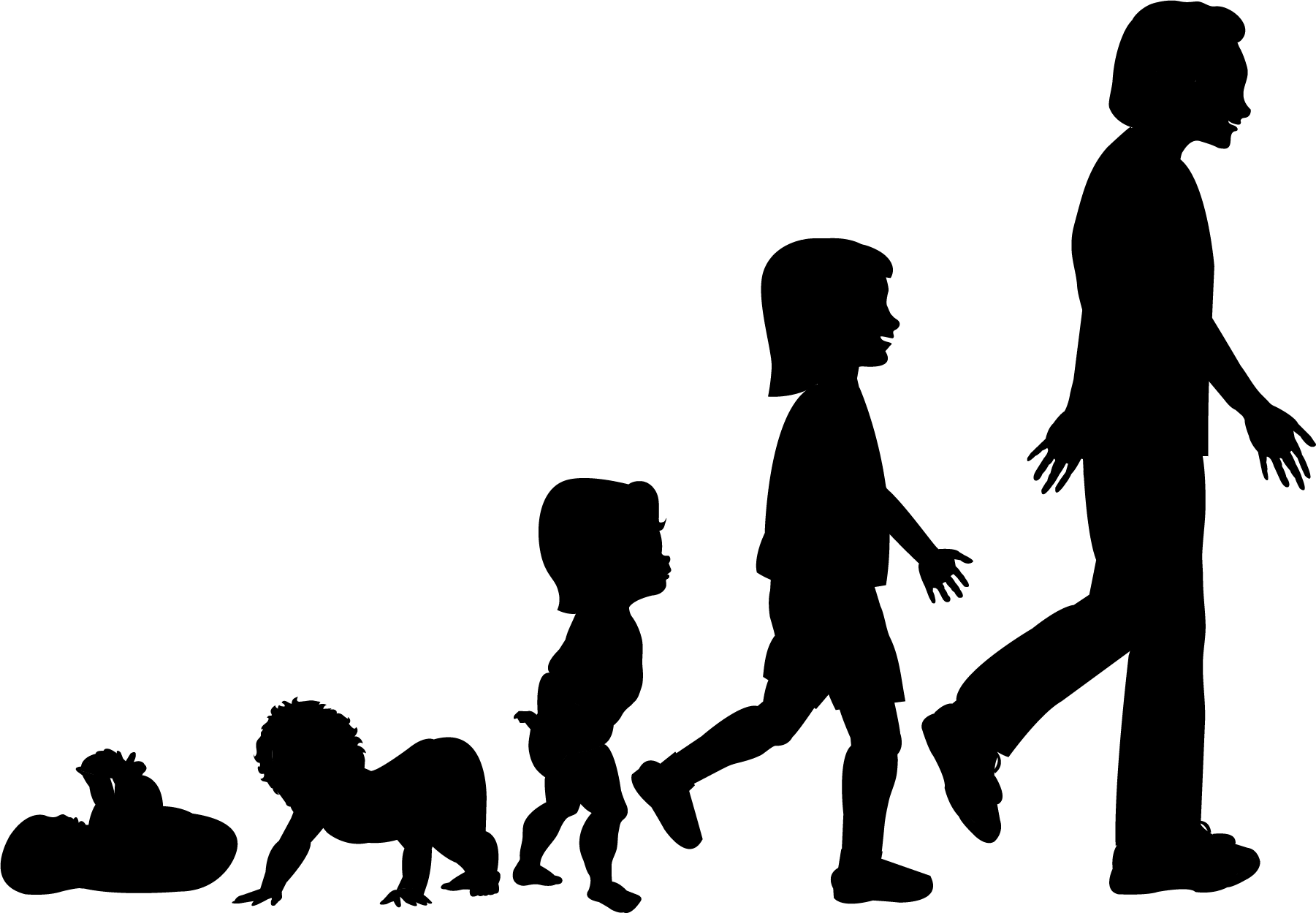
Figure 6.6 As we age, the cells in our body continually die and are replaced, and our appearance can change a great deal, particularly in childhood. In what way can we be said to be the same being as we were 10 or 20 years ago? This is a perennial philosophical question. (attribution: Copyright Rice University, OpenStax, under CC BY 4.0 license)
図6.6 年齢を重ねるにつれ、私たちの体の細胞は絶えず死んで置き換わり、外見も、とりわけ子ども時代には大きく変わりうる。どのような意味で、私たちは10年前、20年前と同じ存在だと言えるのだろうか。これは、古くから繰り返し問われてきた哲学的な問いである。(帰属表示:Copyright Rice University, OpenStax, under CC BY 4.0 license)
The Ship of Theseusテセウスの船
Consider the following thought experiment. Imagine a wooden ship owned by the hero Theseus. Within months of launching, the need to replace decking would be evident. The salt content of sea water is highly corrosive. Accidents can also happen. Within a common version of the thought experiment, the span of one thousand years is supposed. Throughout the span, it is supposed that the entire decking and wooden content of the ship will have been replaced. The name of the ship remains constant. But given the complete change of materials over the assumed time span, in what sense can we assert that the ship is the same ship? We are tempted to conceptualize identity in terms of persistence, but the Ship of Theseus challenges the commonly held intuition regarding how to make sense of identity.
英語のヒント
次の思考実験を考えよう。英雄テセウスが所有する木造船を想像してほしい。進水から数か月で、甲板を取り替える必要が明らかになるだろう。海水の塩分は、非常に強い腐食性を持つ。事故が起こることもある。この思考実験のよくある形では、千年の期間を想定する。その間に、船の甲板と木製の部分のすべてが置き換わったと考える。船の名前は変わらない。しかし、その期間に材料が完全に変わったことを踏まえると、どのような意味で、その船は同じ船だと主張できるだろうか。私たちは、同一性を持続によって概念化したくなる。しかしテセウスの船は、同一性をどう理解するかについて、広く共有されている直観に挑む。
Similarly, as our bodies develop from zygote to adult, cells die and are replaced using new building materials we obtain though food, water, and our environment. Given this, are we the same being as we were 10 or 20 years ago? How can we identify what defines ourselves? What is our essence? This section examines answers proposed by secular and religious systems of belief.
英語のヒント
同様に、私たちの体が接合子から大人へ発達する間、細胞は死に、食物、水、環境から得る新しい構成材料を使って置き換えられる。そうだとすれば、私たちは10年前、20年前と同じ存在なのだろうか。自分を定めるものが何かを、どう見いだせるのだろうか。私たちの本質は何なのか。この節では、世俗的な信念体系と宗教的な信念体系が提案する答えを検討する。
Judeo-Christian Views of Selfユダヤ教・キリスト教の自己観
The common view concerning identity in Judeo-Christian as well as other spiritual traditions is that the self is a soul. In Western thought, the origin of this view can be traced to Plato and his theory of forms. This soul as the real self solves the ship of Theseus dilemma, as the soul continuously exists from zygote or infant and is not replaced by basic building materials. The soul provides permanence and even persists into the afterlife.
英語のヒント
ユダヤ教・キリスト教をはじめ、ほかの精神的伝統にも共通する同一性の捉え方では、自己とは魂である。西洋思想におけるこの見方の起源は、プラトンとそのイデア論にさかのぼることができる。真の自己を魂とするこの考え方は、テセウスの船の難問を解決する。魂は受精卵や乳児の段階から連続して存在し、基本的な構成材料に置き換えられることがないからである。魂は永続性をもたらし、死後の世界にまで存続する。
Much of the Christian perspective on soul and identity rested on Aristotle’s theory of being, as a result of the work of St. Thomas Aquinas. Aquinas, a medieval philosopher, followed the Aristotelian composite of form and matter but modified the concept to fit within a Christianized cosmology. Drawing upon portions of Aristotle’s works reintroduced to the West as a result of the Crusades, Aquinas offered an alternative philosophical model to the largely Platonic Christian view that was dominant in his day. From an intellectual historical perspective, the reintroduction of the Aristotelian perspective into Western thought owes much to the thought of Aquinas.
英語のヒント
キリスト教における魂と同一性の見方の多くは、聖トマス・アクィナスの仕事によって、アリストテレスの存在論を基盤とするようになった。中世の哲学者アクィナスは、形相と質料の複合体というアリストテレスの考えに従いながら、それがキリスト教化された宇宙論に収まるように概念を修正した。アクィナスは、十字軍の結果として西洋に再び紹介されたアリストテレスの著作の一部を活用し、当時支配的だった、おおむねプラトン的なキリスト教の世界観に代わる哲学的モデルを提示した。思想史の観点から見ると、アリストテレス的な見方を西洋思想に再導入したことには、アクィナスの思想が大きく貢献している。
In Being and Essence, Aquinas noted that there was a type of existence that was necessary and uncaused and a type of being that was contingent and was therefore dependent upon the former to be brought into existence. While the concept of a first cause or unmoved mover was present within Aristotle’s works, Aquinas identified the Christian idea of God as the “unmoved mover.” God, as necessary being, was understood as the cause of contingent being. God, as the unmoved mover, as the essence from which other contingent beings derived existence, also determined the nature and purpose driving all contingent beings. In addition, God was conceived of as a being beyond change, as perfection realized. Using Aristotelian terms, we could say that God as Being lacked potentiality and was best thought of as that being that attained complete actuality or perfection—in other words, necessary being.
英語のヒント
『存在者と本質について』でアクィナスは、必然的で原因をもたない種類の存在と、偶然的で、それゆえ存在するために前者に依存する種類の存在者があると述べた。第一原因や不動の動者という概念はアリストテレスの著作にもあったが、アクィナスはキリスト教的な神を「不動の動者」と同定した。必然的存在者である神は、偶然的存在者の原因と理解された。神は不動の動者として、また、ほかの偶然的存在者がそこから存在を得る本質として、すべての偶然的存在者を動かす本性と目的をも定めた。さらに神は、変化を超えた存在者、実現された完全性と考えられた。アリストテレスの用語を使えば、存在としての神には可能態がなく、完全な現実態ないし完全性に達した存在者、つまり必然的存在者と考えるのが最も適切だと言える。
God, as the ultimate Good and Truth, will typically be understood as assigning purpose to the self. The cosmology involved is typically teleological—in other words, there is a design and order and ultimately an end to the story (the eschaton). Members of this tradition will assert that the Divine is personal and caring and that God has entered the narrative of our history to realize God’s purpose through humanity. With some doctrinal exception, if the self lives the good life (a life according to God’s will), then the possibility of sharing eternity with the Divine is promised.
英語のヒント
究極の善であり真理である神は、通常、自己に目的を与える存在として理解される。ここでの宇宙論はたいてい目的論的である。言い換えれば、そこには設計と秩序があり、究極的には物語の終わり、すなわち終末(エスカトン)がある。この伝統に属する人々は、神的なものには人格と慈愛があり、神は人類を通じて自らの目的を実現するために、私たちの歴史という物語に入ってきたのだと主張する。教義上の例外はいくらかあるものの、自己が善い生、すなわち神の意志に従う生を送るなら、神と永遠を共にする可能性が約束される。