第4章意識の状態
Hallucinogens幻覚薬
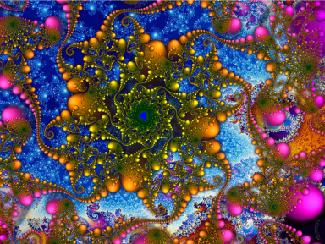
A hallucinogen is one of a class of drugs that results in profound alterations in sensory and perceptual experiences (Figure 4.18). In some cases, users experience vivid visual hallucinations. It is also common for these types of drugs to cause hallucinations of body sensations (e.g., feeling as if you are a giant) and a skewed perception of the passage of time.
英語のヒント
幻覚薬とは、感覚と知覚の経験に大きな変化をもたらす薬物の一群に属するものである(図4.18)。使用者が鮮明な視覚的幻覚を経験する場合もある。こうした種類の薬物によって、身体感覚の幻覚(たとえば、自分が巨人になったかのように感じる)や、時間の経過についてのゆがんだ知覚が生じることもよくある。
OpenStax, Rice University; Psychology 2e. (credit: modification of work by "new 1lluminati"/Flickr) · CC BY 4.0 · Source出典

Figure 4.18図 4.18
Psychedelic images like this are often associated with hallucinogenic compounds. (credit: modification of work by "new 1lluminati"/Flickr)
このようなサイケデリックな画像は、幻覚作用のある化合物と結びつけられることが多い。(出典:"new 1lluminati"/Flickrの作品を改変)
As a group, hallucinogens are incredibly varied in terms of the neurotransmitter systems they affect. Mescaline and LSD are serotonin agonists, and PCP (angel dust) and ketamine (an animal anesthetic) act as antagonists of the NMDA glutamate receptor. In general, these drugs are not thought to possess the same sort of abuse potential as other classes of drugs discussed in this section.
英語のヒント
幻覚薬は、全体として見ると、影響を与える神経伝達物質系という点で非常に多様である。メスカリンとLSDはセロトニンのアゴニストであり、PCP(エンジェル・ダスト)とケタミン(動物用の麻酔薬)はNMDA型グルタミン酸受容体のアンタゴニストとして働く。一般に、これらの薬物は、この節で取り上げたほかの種類の薬物と同じような乱用の可能性を持つとは考えられていない。
Summaryまとめ
Substance use disorder is defined in DSM-5 as a compulsive pattern of drug use despite negative consequences. Both physical and psychological dependence are important parts of this disorder. Alcohol, barbiturates, and benzodiazepines are central nervous system depressants that affect GABA neurotransmission. Cocaine, amphetamine, cathinones, and MDMA are all central nervous stimulants that agonize dopamine neurotransmission, while nicotine and caffeine affect acetylcholine and adenosine, respectively. Opiate drugs serve as powerful analgesics through their effects on the endogenous opioid neurotransmitter system, and hallucinogenic drugs cause pronounced changes in sensory and perceptual experiences. The hallucinogens are variable with regards to the specific neurotransmitter systems they affect.
DSM-5では、物質使用障害は、好ましくない結果にもかかわらず続く強迫的な薬物使用のパターンと定義されている。身体的依存と精神的依存はどちらも、この障害の重要な部分である。アルコール、バルビツール酸系薬、ベンゾジアゼピン系薬は、GABAの神経伝達に影響する中枢神経系の抑制薬である。コカイン、アンフェタミン、カチノン類、MDMAはいずれも、ドーパミンの神経伝達を作動させる中枢神経系の刺激薬であり、一方、ニコチンとカフェインは、それぞれアセチルコリンとアデノシンに影響する。アヘン剤は、内因性のオピオイド神経伝達物質系への作用を通して強力な鎮痛薬として働き、幻覚薬は感覚と知覚の経験に顕著な変化をもたらす。幻覚薬は、影響を与える個々の神経伝達物質系という点では多様である。
Review Questions確認問題
Exercise 31問題 31
________ occurs when a drug user requires more and more of a given drug in order to experience the same effects of the drug.
________は、薬物の使用者が、同じ効果を得るために、ある薬物をますます多く必要とするようになったときに生じる。
- withdrawal離脱
- psychological dependence精神的依存
- tolerance耐性
- reuptake再取り込み
Solution解き方
C
C
Exercise 32問題 32
Cocaine blocks the reuptake of ________.
コカインは________の再取り込みを阻害する。
- GABAGABA
- glutamateグルタミン酸
- acetylcholineアセチルコリン
- dopamineドーパミン
Solution解き方
D
D
Exercise 33問題 33
________ refers to drug craving.
________とは、薬物への渇望のことである。
- psychological dependence精神的依存
- antagonism拮抗作用
- agonism作動作用
- physical dependence身体的依存
Solution解き方
A
A
Exercise 34問題 34
LSD affects ________ neurotransmission.
LSDは________の神経伝達に影響する。
- dopamineドーパミン
- serotoninセロトニン
- acetylcholineアセチルコリン
- norepinephrineノルエピネフリン
Solution解き方
B
B