第19章電気回路Electrical Circuits原書 p.623–668
CHAPTER OUTLINE章の構成
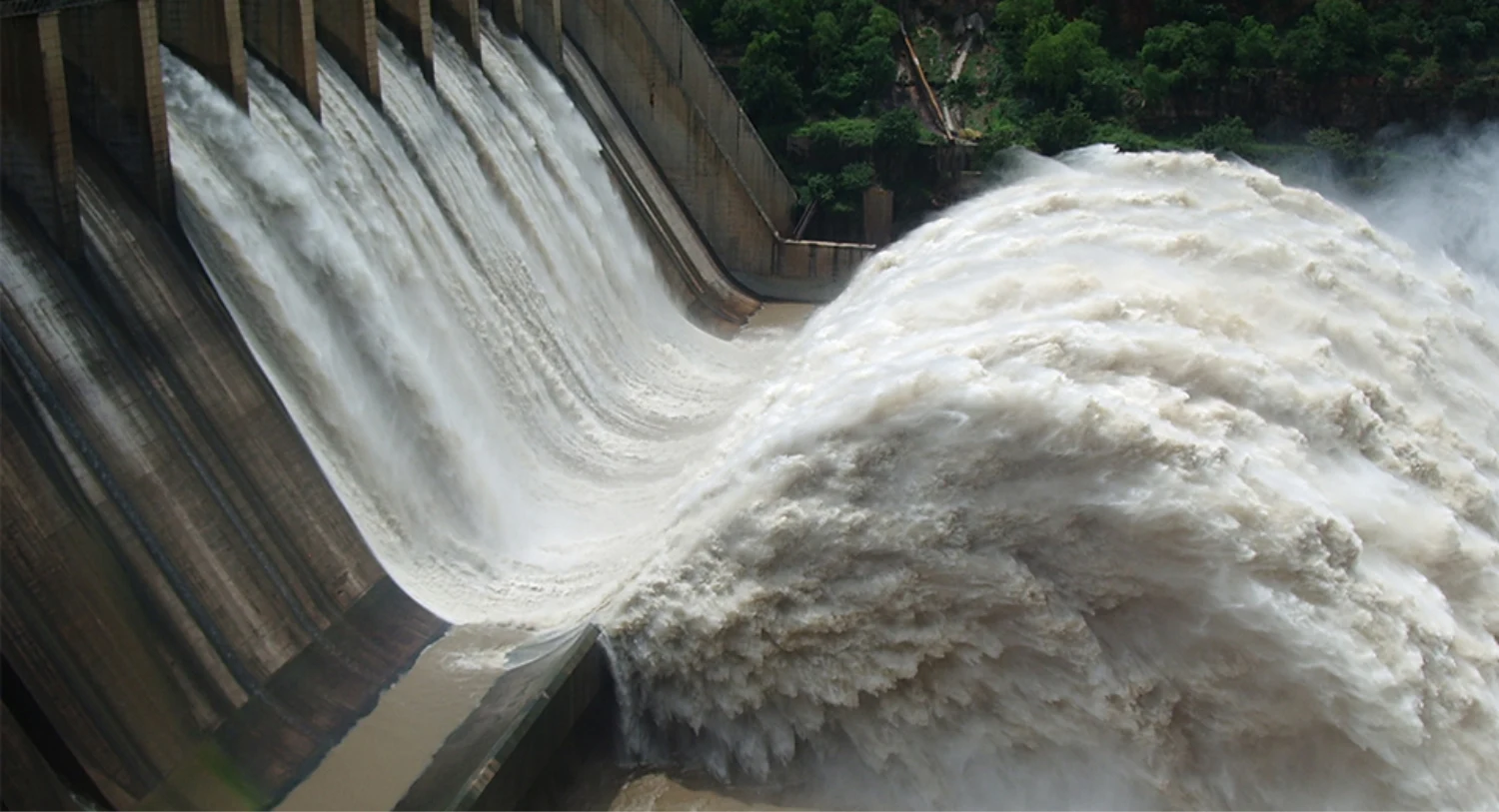
INTRODUCTION The flicker of numbers on a handheld calculator, nerve impulses carrying signals of vision to the brain, an ultrasound device sending a signal to a computer screen, the brain sending a message for a baby to twitch its toes, an electric train pulling into a station, a hydroelectric plant sending energy to metropolitan and rural users—these and many other examples of electricity involve electric current, which is the movement of charge. Humanity has harnessed electricity, the basis of this technology, to improve our quality of life. Whereas the previous chapter concentrated on static electricity and the fundamental force underlying its behavior, the next two chapters will be devoted to electric and magnetic phenomena involving current. In addition to exploring applications of electricity, we shall gain new insights into the workings of nature.
はじめに 電卓に数字がちらつくこと、視覚の信号を脳へ運ぶ神経のパルス、超音波装置がコンピューターの画面へ信号を送ること、赤ん坊につま先を動かせと脳が命令を送ること、電車が駅に入ってくること、水力発電所が都市と地方の利用者へエネルギーを送ること——電気のこれらの例も、他の多くの例も、電荷の移動である電流に関わる。人類はこの技術の土台である電気を手なずけ、生活の質を高めてきた。前の章が静電気と、そのふるまいの土台にある基本の力に集中したのに対し、次の二つの章は電流に関わる電気と磁気の現象に充てられる。電気の応用を探るとともに、自然の働きについて新しい洞察も得られるだろう。