第1章物理学とは何かWhat is Physics?原書 p.5–54
CHAPTER OUTLINE章の構成
1.1 Physics: Definitions and Applications1.2 The Scientific Methods1.3 The Language of Physics: Physical Quantities and Units
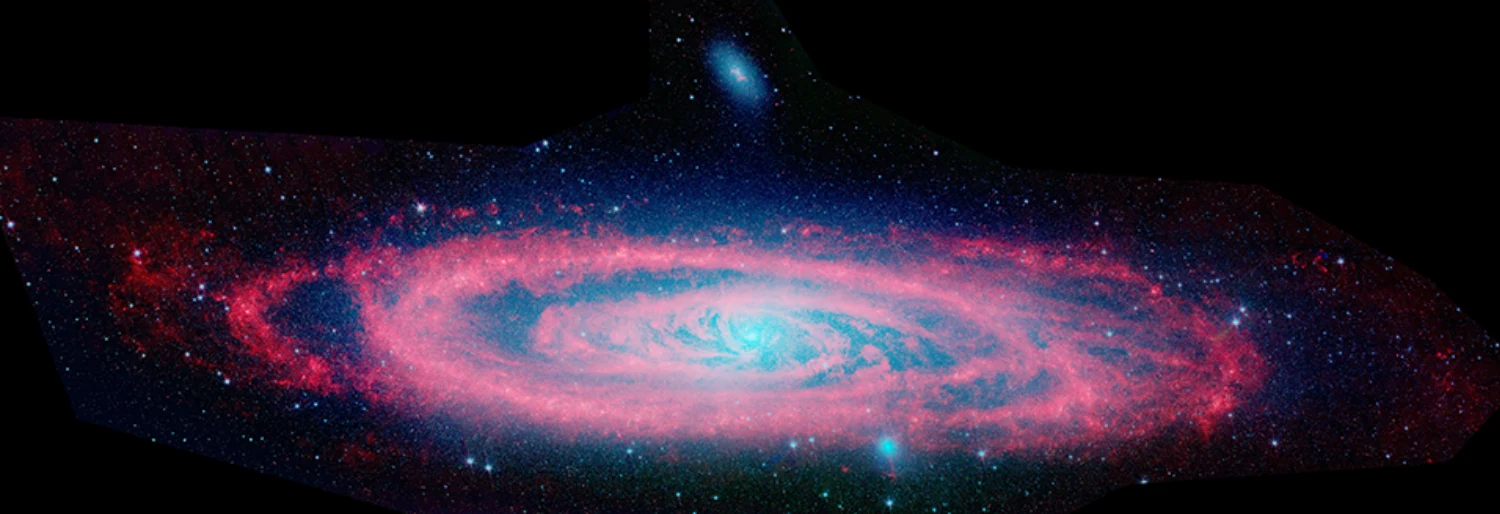
INTRODUCTION Take a look at the image above of the Andromeda Galaxy (Figure 1.1), which contains billions of stars. This galaxy is the nearest one to our own galaxy (the Milky Way) but is still a staggering 2.5 million light years from Earth. (A light year is a measurement of the distance light travels in a year.) Yet, the primary force that affects the movement of stars within Andromeda is the same force that we contend with here on Earth—namely, gravity.
はじめに 上に掲げたアンドロメダ銀河の画像を見てほしい。そこには何十億もの恒星が含まれている。この銀河は我々の銀河系(天の川銀河)にもっとも近い銀河だが、それでも地球から250万光年という途方もない距離にある(光年とは、光が1年間に進む距離のことである)。それでもなお、アンドロメダ銀河の中で星々の運動を支配している主要な力は、我々がこの地球上で相手にしているのと同じ力——すなわち重力である。
You may soon realize that physics plays a much larger role in your life than you thought. This section introduces you to the realm of physics, and discusses applications of physics in other disciplines of study. It also describes the methods by which science is done, and how scientists communicate their results to each other.
物理学は、思っている以上に私たちの生活のさまざまな場面に関わっている。この節では、物理学が扱う領域と、ほかの学問分野への応用を紹介する。さらに、科学者がどのような方法で研究を進め、その成果を互いに伝え合うのかを学ぶ。