第17章回折と干渉Diffraction and Interference原書 p.541–566
CHAPTER OUTLINE章の構成
17.1 Understanding Diffraction and Interference17.2 Applications of Diffraction, Interference, and Coherence
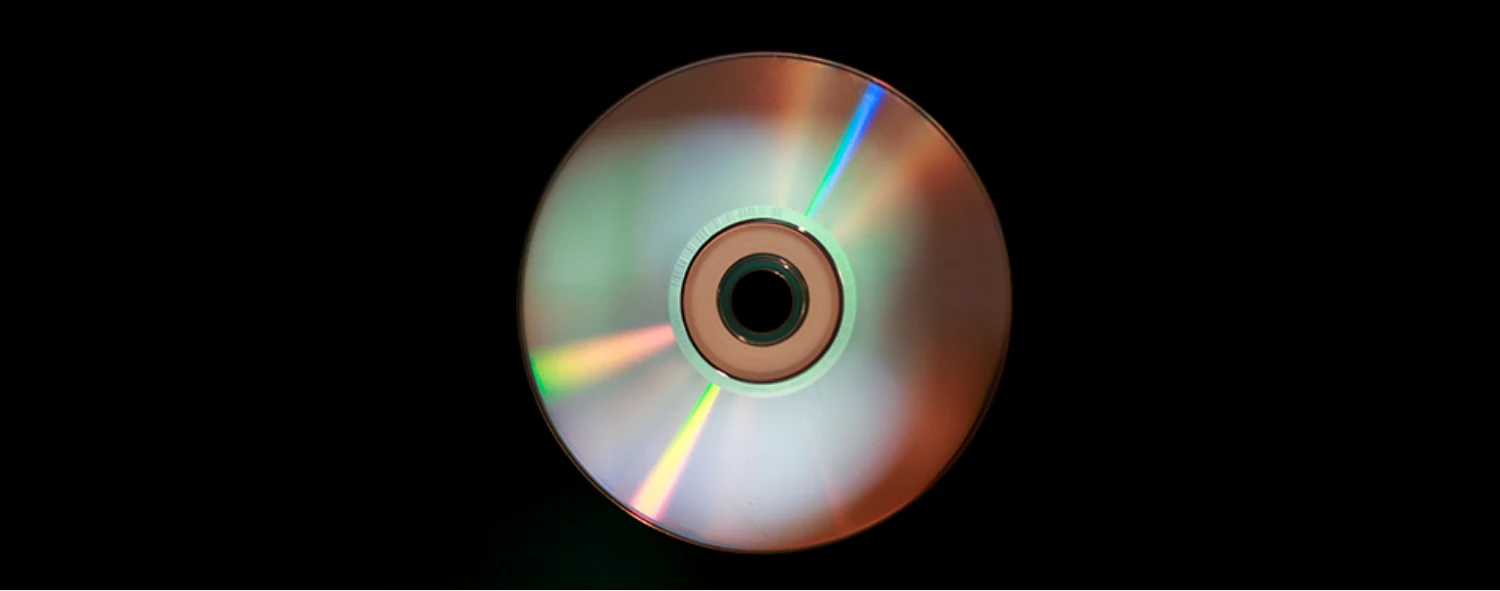
INTRODUCTION Examine a compact disc under white light, noting the colors observed and their locations on the disc. Using the CD, explore the spectra of a few light sources, such as a candle flame, an incandescent bulb, and fluorescent light. If you have ever looked at the reds, blues, and greens in a sunlit soap bubble and wondered how straw-colored soapy water could produce them, you have hit upon one of the many phenomena that can only be explained by the wave character of light. That and other interesting phenomena, such as the dispersion of white light into a rainbow of colors when passed through a narrow slit, cannot be explained fully by geometric optics. In such cases, light interacts with small objects and exhibits its wave characteristics. The topic of this chapter is the branch of optics that considers the behavior of light when it exhibits wave characteristics.
はじめに コンパクトディスクを白い光のもとで観察し、見える色とディスク上でのその位置に注目しよう。CDを使って、ろうそくの炎、白熱電球、蛍光灯などいくつかの光源のスペクトルを調べよう。日を浴びたシャボン玉の赤・青・緑を見て、麦わら色の石けん水がどうやってそれを生むのか不思議に思ったことがあるなら、光の波としての性格でしか説明できない多くの現象の一つに出会ったことになる。それと、細いすきまを通した白い光が虹の色に分散するといった他の興味深い現象は、幾何光学だけでは十分に説明できない。そうした場合、光は小さな物と作用し合い、波としての特徴を示す。この章の主題は、光が波としての特徴を示すときのふるまいを考える光学の分野である。