第12章熱力学Thermodynamics原書 p.369–404
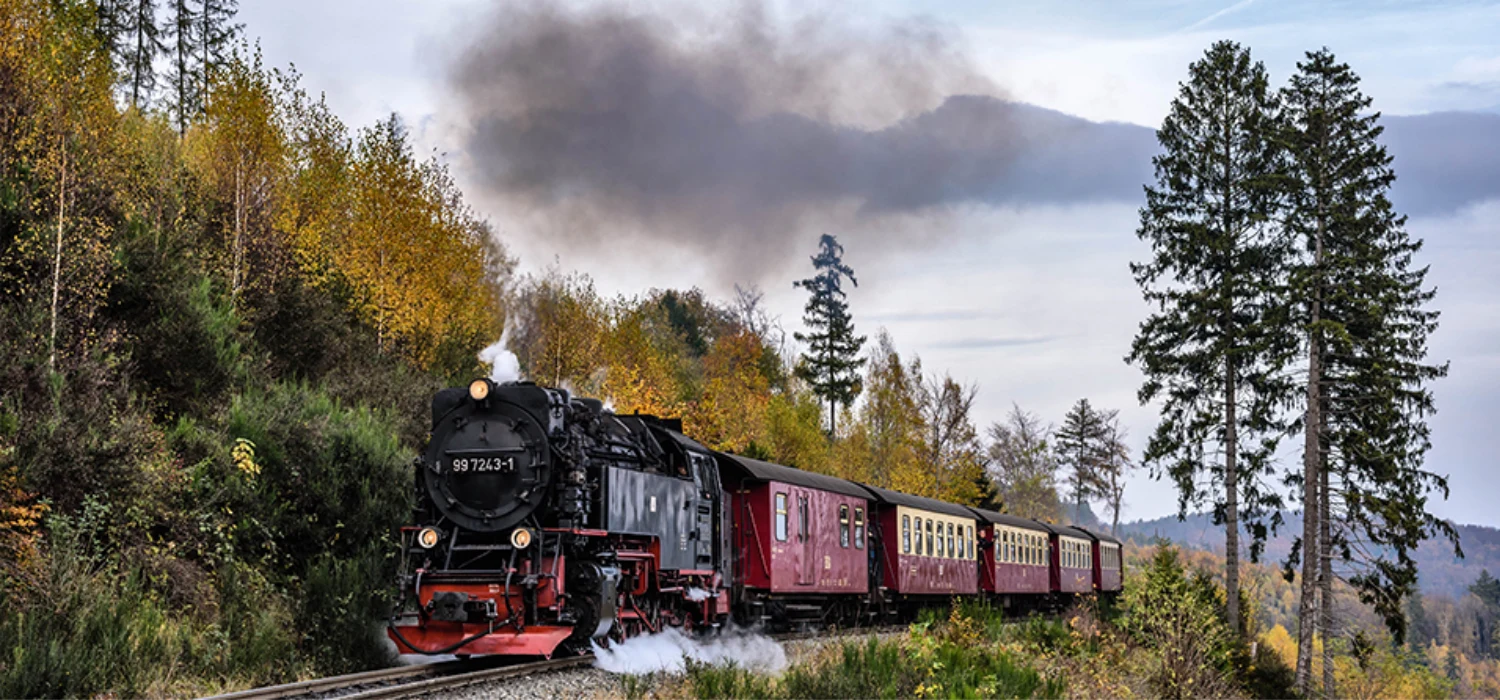
CHAPTER OUTLINE章の構成
12.1 Zeroth Law of Thermodynamics: Thermal Equilibrium12.2 First law of Thermodynamics: Thermal Energy and Work12.3 Second Law of Thermodynamics: Entropy12.4 Applications of Thermodynamics: Heat Engines, Heat Pumps, and Refrigerators
12.1 熱力学第零法則:熱平衡12.2 熱力学第一法則:熱エネルギーと仕事12.3 熱力学第二法則:エントロピー12.4 熱力学の応用:熱機関、ヒートポンプ、冷蔵庫
INTRODUCTION Energy can be transferred to or from a system, either through a temperature difference between it and another system (i.e., by heat) or by exerting a force through a distance (work). In these ways, energy can be converted into other forms of energy in other systems. For example, a car engine burns fuel for heat transfer into a gas. Work is done by the gas as it exerts a force through a distance by pushing a piston outward. This work converts the energy into a variety of other forms—into an increase in the car’s kinetic or gravitational potential energy; into electrical energy to run the spark plugs, radio, and lights; and back into stored energy in the car’s battery. But most of the thermal energy transferred by heat from the fuel burning in the engine does not do work on the gas. Instead, much of this energy is released into the surroundings at lower temperature (i.e., lost through heat), which is quite inefficient. Car engines are only about 25 to 30 percent efficient. This inefficiency leads to increased fuel costs, so there is great interest in improving fuel efficiency. However, it is common knowledge that modern gasoline engines cannot be made much more efficient. The same is true about the conversion to electrical energy in large power stations, whether they are coal, oil, natural gas, or nuclear powered. Why is this the case?
はじめに エネルギーは、ある系と別の系との温度差を通じて(すなわち熱によって)、あるいは距離にわたって力を及ぼすこと(仕事)によって、系へ移り、また系から移り出る。こうしたやり方で、エネルギーは別の系の中で他の形のエネルギーへ変わりうる。たとえば自動車のエンジンは燃料を燃やして気体へ熱を移す。気体はピストンを外へ押して距離にわたって力を及ぼし、仕事をする。この仕事はエネルギーをさまざまな他の形へ変える——車の運動エネルギーや重力による位置エネルギーの増加へ、点火プラグ・ラジオ・ライトを動かす電気エネルギーへ、そしてまた車のバッテリーに蓄えられるエネルギーへ。しかし、エンジンの中で燃える燃料から熱によって移された熱エネルギーの大半は、気体に仕事をしない。かわりに、このエネルギーの多くはより低い温度の周囲へ放り出される(すなわち熱として失われる)。これはずいぶん効率が悪い。自動車のエンジンの効率はわずか25から30パーセントほどしかない。この非効率は燃料代の増加につながるので、燃費を上げることに大きな関心が寄せられている。しかし、現代のガソリンエンジンをこれ以上大きく効率化できないことはよく知られている。石炭・石油・天然ガス・原子力のいずれであれ、大きな発電所での電気エネルギーへの変換についても同じことが言える。なぜそうなのか。
The answer lies in the nature of heat. Basic physical laws govern how heat transfer for doing work takes place and limit the maximum possible efficiency of the process. This chapter will explore these laws as well their applications to everyday machines. These topics are part of thermodynamics—the study of heat and its relationship to doing work.
答えは、熱の性質にある。熱の移動を利用して仕事を取り出す過程には、基本的な物理法則が働き、実現できる効率にも上限がある。この章では、その法則と、身近な機械への応用を調べる。熱と仕事の関係を扱うこうした研究は、熱力学の一部である。