第14章音Sound原書 p.431–472
CHAPTER OUTLINE章の構成
14.1 Speed of Sound, Frequency, and Wavelength14.2 Sound Intensity and Sound Level14.3 Doppler Effect and Sonic Booms14.4 Sound Interference and Resonance
14.1 音の速さ、振動数、波長14.2 音の強さと音の大きさのレベル14.3 ドップラー効果とソニックブーム14.4 音の干渉と共鳴
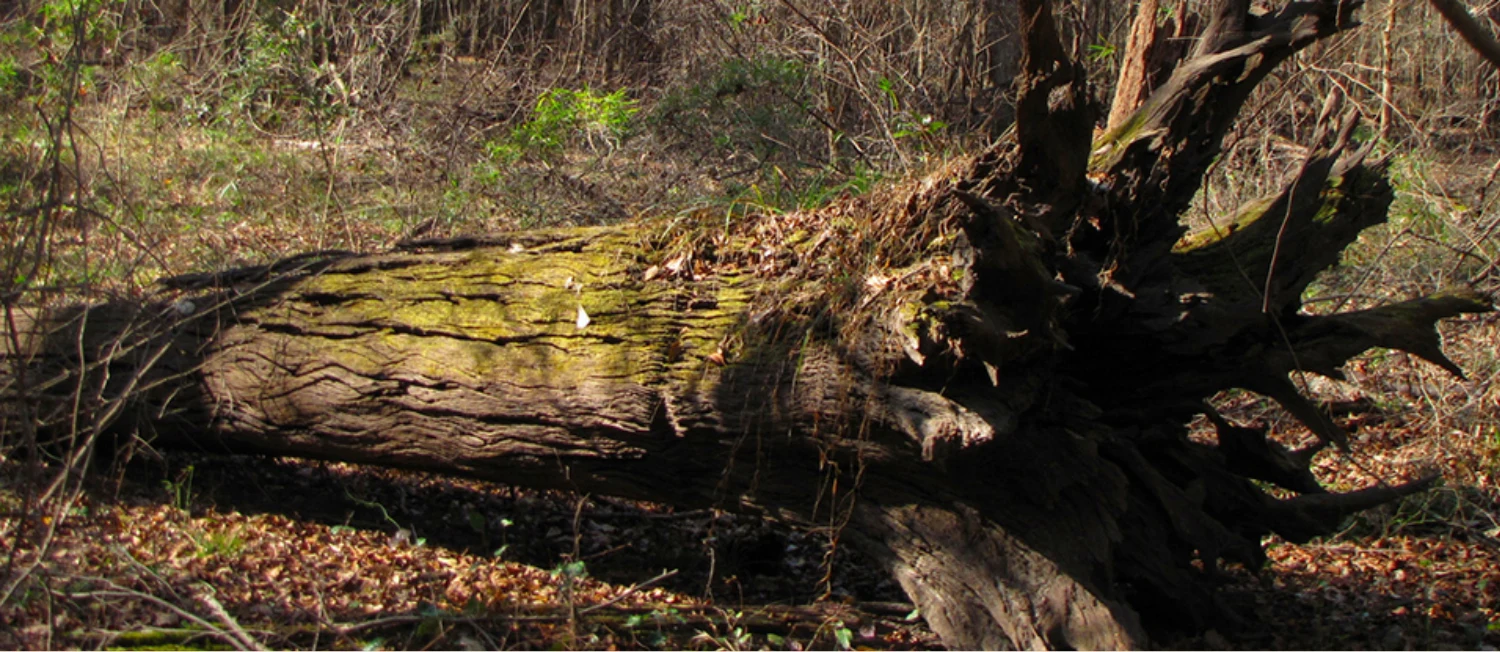
INTRODUCTION If a tree falls in a forest (see Figure 14.1) and no one is there to hear it, does it make a sound? The answer to this old philosophical question depends on how you define sound. If sound only exists when someone is around to perceive it, then the falling tree produced no sound. However, in physics, we know that colliding objects can disturb the air, water or other matter surrounding them. As a result of the collision, the surrounding particles of matter began vibrating in a wave-like fashion. This is a sound wave. Consequently, if a tree collided with another object in space, no one would hear it, because no sound would be produced. This is because, in space, there is no air, water or other matter to be disturbed and produce sound waves. In this chapter, we’ll learn more about the wave properties of sound, and explore hearing, as well as some special uses for sound.
はじめに 森で木が倒れ(図14.1を見よ)、それを聞く者が誰もいないとき、音は生じたのか。この古い哲学の問いの答えは、音をどう定義するかによる。誰かがそれを感じ取ってはじめて音が存在するというなら、倒れた木は音を生まなかった。しかし物理では、ぶつかり合う物体が周りの空気や水や他の物質を乱しうることが分かっている。衝突の結果、周りの物質の粒子が波のように振動し始めた。これが音波である。したがって、宇宙空間で木が別の物体とぶつかったとしても、誰にもそれは聞こえない。音が生まれないからである。宇宙空間には、乱されて音波を生む空気も水も他の物質もないからである。この章では、音の波としての性質をさらに学び、聞くことについて、そして音の特別な使い道について探る。