第13章波とその性質Waves and Their Properties原書 p.405–430
CHAPTER OUTLINE章の構成
13.1 Types of Waves13.2 Wave Properties: Speed, Amplitude, Frequency, and Period13.3 Wave Interaction: Superposition and Interference
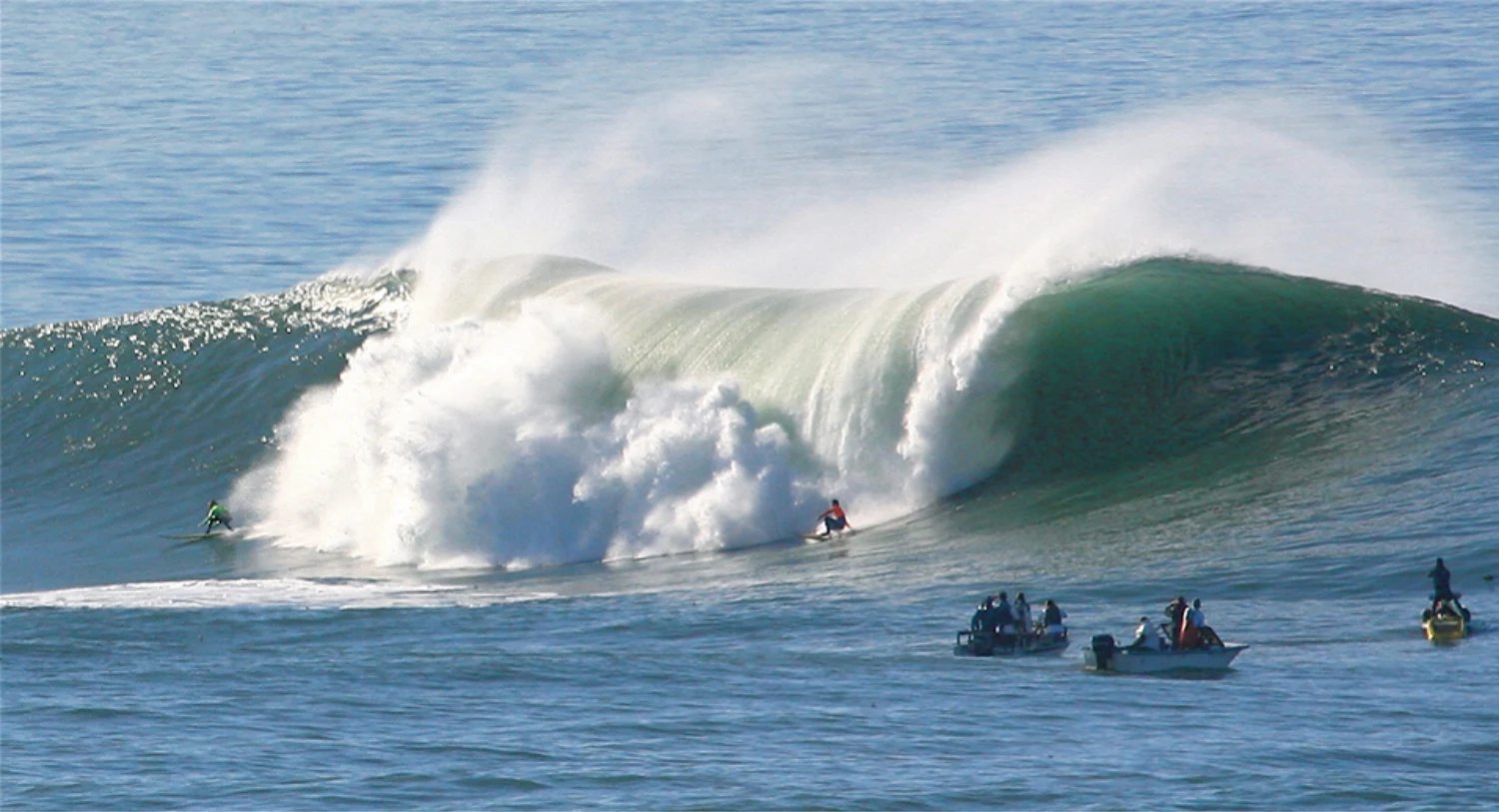
INTRODUCTION Recall from the chapter on Motion in Two Dimensions that oscillations—the back-and-forth movement between two points—involve force and energy. Some oscillations create waves, such as the sound waves created by plucking a guitar string. Other examples of waves include earthquakes and visible light. Even subatomic particles, such as electrons, can behave like waves. You can make water waves in a swimming pool by slapping the water with your hand. Some of these waves, such as water waves, are visible; others, such as sound waves, are not. But every wave is a disturbance that moves from its source and carries energy. In this chapter, we will learn about the different types of waves, their properties, and how they interact with one another.
はじめに 二次元の運動の章で、振動——二点の間を行ったり来たりする動き——が力とエネルギーに関わることを学んだのを思い出そう。振動のなかには波を作るものがある。ギターの弦をはじいたときにできる音波がそれである。波の他の例には地震や可視光がある。電子のような素粒子でさえ波のようにふるまいうる。プールの水を手で叩けば水の波を作れる。水の波のように目に見える波もあれば、音波のように見えない波もある。しかしどの波も、源から動き出してエネルギーを運ぶ乱れである。この章では、いろいろな種類の波、その性質、そして波どうしがどう作用し合うかを学ぶ。