第16章療法と治療
Mental Health Treatment Today今日のメンタルヘルスの治療
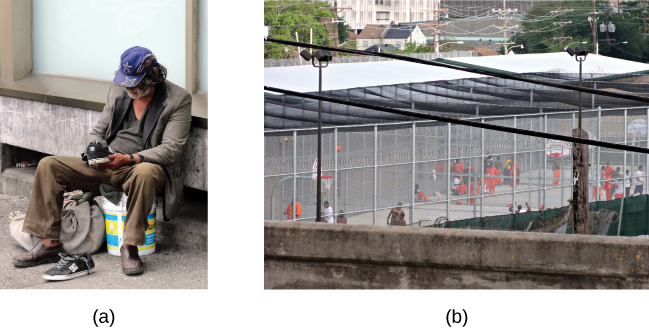
Today, there are community mental health centers across the nation. They are located in neighborhoods near the homes of clients, and they provide large numbers of people with mental health services of various kinds and for many kinds of problems. Unfortunately, part of what occurred with deinstitutionalization was that those released from institutions were supposed to go to newly created centers, but the system was not set up effectively. Centers were underfunded, staff was not trained to handle severe illnesses such as schizophrenia, there was high staff burnout, and no provision was made for the other services people needed, such as housing, food, and job training. Without these supports, those people released under deinstitutionalization often ended up homeless. Even today, a large portion of the homeless population is considered to be mentally ill (Figure 16.7). Statistics show that 26% of homeless adults living in shelters experience mental illness (U.S. Department of Housing and Urban Development [HUD], 2011).
英語のヒント
今日では、全国に地域精神保健センターがある。これらのセンターはクライエントの自宅に近い地域に置かれ、多様なメンタルヘルス・サービスを、さまざまな問題に対して、大勢の人々に提供している。残念なことに、脱施設化に伴って起きたことの一部は、施設から出された人々は新たにつくられたセンターに通うことになっていたのに、その仕組みが効果的に整えられていなかったということである。センターは資金不足で、職員は統合失調症のような重い疾患に対応する訓練を受けておらず、職員のバーンアウトも多かった。そして、住居、食事、職業訓練など、人々が必要とするほかのサービスは何も用意されていなかった。こうした支えがないまま、脱施設化によって施設を出た人々は、しばしばホームレスになった。今日でも、ホームレスの人々のかなりの部分は精神疾患を抱えているとみなされている(図16.7)。統計によれば、シェルターで暮らすホームレスの成人の26%が精神疾患を経験している(U.S. Department of Housing and Urban Development [HUD], 2011)。
OpenStax, Rice University; Psychology 2e. (credit a: modification of work by "Carl Campbell"/Flickr; credit b: modification of work by Bart Everson) · CC BY 4.0 · Source出典

Figure 16.7図 16.7
(a) Of the homeless individuals in U.S. shelters, about one-quarter have a severe mental illness (HUD, 2011). (b) Correctional institutions also report a high number of individuals living with mental illness. (credit a: modification of work by "Carl Campbell"/Flickr; credit b: modification of work by Bart Everson)
(a)アメリカのシェルターにいるホームレスの人々のうち、約4分の1が重い精神疾患を抱えている(HUD, 2011)。(b)矯正施設も、精神疾患を抱えて暮らす人が多いと報告している。(出典a:"Carl Campbell"/Flickrの作品を改変、出典b:Bart Eversonの作品を改変)
Mental health issues are also significant concerns regarding those involved in the corrections system. According to a 2006 special report by the Bureau of Justice Statistics (BJS), approximately 705,600 adults with mental health issues were incarcerated in the state prison system, and another 78,800 were incarcerated in the federal prison system. A further 479,000 were in local jails. According to the study, “people with mental illnesses are overrepresented in probation and parole populations at estimated rates ranging from two to four times the general population” (Prins & Draper, 2009, p. 23). The correctional system faces increasing burdens in managing and supporting people with mental health issues (Torrey et al., 2014). The incarceration experience itself exacerbates existing issues, triggers disturbances, or leads to long term effects such as PTSD, depression, or other disorders. While incarcerated, people are often subjected to or witness violence or sexual assault, face isolation from family, and endure other physical or emotional traumas (Edgemon & Clay-Warner, 2019).
英語のヒント
メンタルヘルスの問題は、矯正制度にかかわる人々に関しても重大な懸念事項である。司法統計局(BJS)による2006年の特別報告によれば、メンタルヘルスの問題を抱える成人のうち、およそ705,600人が州の刑務所に収監され、さらに78,800人が連邦の刑務所に収監されていた。加えて、479,000人が地方の拘置所にいた。その研究によれば、「精神疾患のある人々は、保護観察や仮釈放の対象者の中に、一般の人口と比べて推定2倍から4倍の割合で過剰に含まれている」(Prins & Draper, 2009, p. 23)。矯正制度は、メンタルヘルスの問題を抱える人々を管理し支援するうえで、増大する負担に直面している(Torrey et al., 2014)。収監という経験そのものが、既存の問題を悪化させたり、精神的な変調を引き起こしたり、PTSD、抑うつ、そのほかの障害といった長期的な影響をもたらしたりする。収監中、人はしばしば暴力や性的暴行を受けたり目撃したりし、家族から隔離され、そのほかの身体的・感情的なトラウマに耐えることになる(Edgemon & Clay-Warner, 2019)。
Today, instead of asylums, there are psychiatric hospitals run by state governments and local community hospitals focused on short-term care. In all types of hospitals, the emphasis is on short-term stays, with the average length of stay being less than two weeks and often only several days. This is partly due to the very high cost of psychiatric hospitalization, which can be about $800 to $1000 per night (Stensland, Watson, & Grazier, 2012). Therefore, insurance coverage often limits the length of time a person can be hospitalized for treatment. Usually individuals are hospitalized only if they are an imminent threat to themselves or others.
英語のヒント
今日では、精神病院の代わりに、州政府が運営する精神科病院や、短期のケアに重点を置く地域の病院がある。どの種類の病院でも重点は短期の入院に置かれており、平均在院期間は2週間未満で、数日だけのことも多い。これは一つには、精神科の入院費用が非常に高いためで、1泊あたり約800〜1000ドルになることもある(Stensland, Watson, & Grazier, 2012)。そのため、治療のために入院できる期間は、保険の補償によって制限されることが多い。通常、入院となるのは、本人が自分自身や他者にとって差し迫った脅威となっている場合だけである。
Most people who have mental illnesses are not hospitalized. If someone is feeling very depressed, complains of hearing voices, or feels anxious all the time, they might seek psychological treatment. A friend, spouse, or parent might refer someone for treatment. The individual might go see their primary care physician first and then be referred to a mental health practitioner.
英語のヒント
精神疾患のある人のほとんどは入院していない。ひどく気分が落ち込んでいたり、声が聞こえると訴えたり、いつも不安を感じていたりする人は、心理的な治療を求めるかもしれない。友人や配偶者、親が、その人を治療につなぐこともあるだろう。本人がまずかかりつけ医を受診し、そこから精神保健の専門家を紹介される場合もありうる。
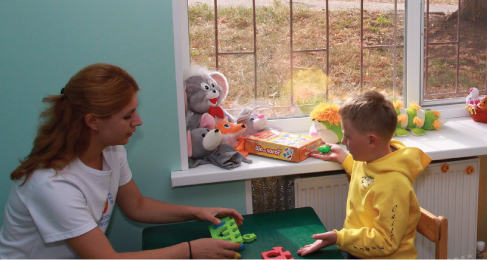
Some people seek treatment because they are involved with the state’s child protective services—that is, their children have been removed from their care due to abuse or neglect. The parents might be referred to psychiatric or substance abuse facilities and the children would likely receive treatment for trauma. If the parents are interested in and capable of becoming better parents, the goal of treatment might be family reunification. For other children whose parents are unable to change—for example, the parent or parents who are heavily addicted to drugs and refuse to enter treatment—the goal of therapy might be to help the children adjust to foster care and/or adoption (Figure 16.8).
英語のヒント
州の児童保護サービスにかかわっているために治療を求める人もいる。つまり、虐待やネグレクトのために、子どもを自分の養育から引き離された人々である。親は精神科や物質乱用の治療施設を紹介されることがあり、子どもはトラウマの治療を受けることになるだろう。親がよりよい親になることに関心を持ち、そうなる力もあるなら、治療の目標は家族の再統合になるかもしれない。親が変わることのできないほかの子どもたち、たとえば親の一方または両方が薬物に深く依存していて治療を受けることを拒んでいる子どもたちの場合、療法の目標は、子どもが里親養育や養子縁組、あるいはその両方に適応するのを助けることになるかもしれない(図16.8)。
OpenStax, Rice University; Psychology 2e. (credit: modification of work by UNHCR Ukraine/Flickr) · CC BY 4.0 · Source出典

Figure 16.8図 16.8
Therapy with children may involve play. (credit: modification of work by UNHCR Ukraine/Flickr)
子どもとの療法では、遊びを用いることがある。(出典:UNHCR Ukraine/Flickrの作品を改変)
Some people seek therapy because the criminal justice system referred them or required them to go. For some individuals, for example, attending weekly counseling sessions might be a condition of parole. If an individual is mandated to attend therapy, they are seeking services involuntarily. Involuntary treatment refers to therapy that is not the individual’s choice. Other individuals might voluntarily seek treatment. Voluntary treatment means the person chooses to attend therapy to obtain relief from symptoms.
英語のヒント
刑事司法制度から紹介されたり、行くよう求められたりしたために療法を求める人もいる。たとえば、週1回のカウンセリング・セッションへの出席が仮釈放の条件になっている人もいるだろう。療法に出席するよう命じられている場合、その人は非自発的にサービスを求めていることになる。非自発的治療とは、本人が選んだのではない療法を指す。一方、ほかの人々は自発的に治療を求めるかもしれない。自発的治療とは、症状を和らげるために、本人が療法に出席することを選ぶことである。
Psychological treatment can occur in a variety of places. An individual might go to a community mental health center or a practitioner in private or community practice. A child might see a school counselor, school psychologist, or school social worker. An incarcerated person might receive group therapy in prison. There are many different types of treatment providers, and licensing requirements vary from state to state. Besides psychologists and psychiatrists, there are clinical social workers, marriage and family therapists, and trained religious personnel who also perform counseling and therapy.
英語のヒント
心理的な治療は、さまざまな場所で行われうる。地域精神保健センターに行く人もいれば、個人開業や地域の診療所の専門家のもとへ行く人もいるだろう。子どもなら、スクールカウンセラーや学校心理士、スクールソーシャルワーカーに会うかもしれない。収監されている人は、刑務所で集団療法を受けることもある。治療の提供者には多くの種類があり、免許の要件は州によって異なる。心理学者と精神科医のほかにも、臨床ソーシャルワーカー、結婚・家族療法士、訓練を受けた宗教関係者がいて、彼らもカウンセリングや療法を行っている。
A range of funding sources pay for mental health treatment: health insurance, government, and private pay. In the past, even when people had health insurance, the coverage would not always pay for mental health services. This changed with the Mental Health Parity and Addiction Equity Act of 2008, which requires group health plans and insurers to make sure there is parity of mental health services (U.S. Department of Labor, n.d.). This means that co-pays, total number of visits, and deductibles for mental health and substance use treatment need to be equal to and cannot be more restrictive or harsher than those for physical illnesses and medical/surgical problems.
英語のヒント
メンタルヘルスの治療費は、健康保険、政府、自己負担という、さまざまな財源から支払われる。かつては、健康保険に入っていても、その補償でメンタルヘルス・サービスの費用が必ずしも支払われるとはかぎらなかった。この状況は、2008年の精神保健パリティ・依存症公平法によって変わった。この法律は、団体健康保険プランと保険会社に対して、メンタルヘルス・サービスの同等性(パリティ)を確保するよう求めている(U.S. Department of Labor, n.d.)。つまり、メンタルヘルスや物質使用の治療にかかる自己負担額、総受診回数、免責額は、身体の病気や内科・外科の問題にかかるものと同等でなければならず、それより制限が厳しかったり条件が過酷だったりしてはならない、ということである。
Finding treatment sources is also not always easy: there may be limited options, especially in rural areas and low-income urban areas; waiting lists; poor quality of care available for indigent patients; and financial obstacles such as co-pays, deductibles, and time off from work. Over 85% of the 1,669 federally designated mental health professional shortage areas are rural; often primary care physicians and law enforcement are the first-line mental health providers (Ivey, Scheffler, & Zazzali, 1998), although they do not have the specialized training of a mental health professional, who often would be better equipped to provide care. Availability, accessibility, and acceptability (the stigma attached to mental illness) are all problems in rural areas. Approximately two-thirds of those with symptoms receive no care at all (U.S. Department of Health and Human Services, 2005; Wagenfeld, Murray, Mohatt, & DeBruiynb, 1994). At the end of 2013, the U.S. Department of Agriculture announced an investment of $50 million to help improve access and treatment for mental health problems as part of the Obama administration’s effort to strengthen rural communities.
英語のヒント
治療を受けられる場所を見つけることも、いつも簡単とはかぎらない。とくに農村部や低所得の都市部では、選択肢がかぎられていることがある。ほかにも、順番待ちのリスト、困窮した患者が受けられるケアの質の低さ、そして自己負担額、免責額、仕事を休まなければならないことといった経済的な障害がありうる。連邦政府が指定した1,669か所の精神保健専門職不足地域のうち、85%以上が農村部にある。多くの場合、かかりつけ医や法執行機関が、メンタルヘルスのケアを最初に担う提供者となっている(Ivey, Scheffler, & Zazzali, 1998)。しかし彼らは、精神保健の専門家が持つような専門的な訓練を受けていない。ケアを提供するには、多くの場合、精神保健の専門家のほうがよりふさわしい備えを持っているだろう。農村部では、利用可能性、アクセスのしやすさ、受容性(精神疾患に付きまとうスティグマ)のすべてが問題となっている。症状のある人のおよそ3分の2は、まったくケアを受けていない(U.S. Department of Health and Human Services, 2005; Wagenfeld, Murray, Mohatt, & DeBruiynb, 1994)。2013年の終わりに、アメリカ農務省は、農村のコミュニティを強化するオバマ政権の取り組みの一環として、メンタルヘルスの問題に関するアクセスと治療の改善を助けるために、5000万ドルの投資を発表した。