第1章物理学とは何かWhat is Physics?原書 p.5–54
The Role of Units単位の役割
Physicists, like other scientists, make observations and ask basic questions. For example, how big is an object? How much mass does it have? How far did it travel? To answer these questions, they make measurements with various instruments (e.g., meter stick, balance, stopwatch, etc.).
物理学者も、他の科学者と同じように、観察をし、基本的な問いを立てる。たとえば、その物体はどれくらい大きいのか。質量はどれだけあるのか。どれだけの距離を進んだのか。こうした問いに答えるために、彼らはさまざまな器具(ものさし、天秤、ストップウォッチなど)で測定を行う。
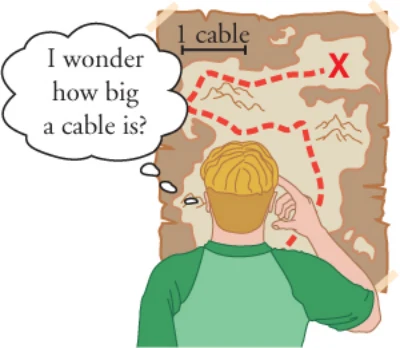
The measurements of physical quantities are expressed in terms of units, which are standardized values. For example, the length of a race, which is a physical quantity, can be expressed in meters (for sprinters) or kilometers (for long distance runners). Without standardized units, it would be extremely difficult for scientists to express and compare measured values in a meaningful way (Figure 1.13).
物理量の測定は、標準として定められた値である単位を使って表される。たとえば競走の距離という物理量は、(短距離走なら)メートルで、(長距離走なら)キロメートルで表せる。標準化された単位がなければ、科学者が測定値を意味のある形で表したり比べたりするのは、きわめて難しくなる(図1.13)。
All physical quantities in the International System of Units (SI) are expressed in terms of combinations of seven fundamental physical units, which are units for: length, mass, time, electric current, temperature, amount of a substance, and luminous intensity.
国際単位系(SI)におけるすべての物理量は、七つの基本物理単位の組み合わせで表される。その七つとは、長さ、質量、時間、電流、温度、物質量、光度の単位である。