第13章数列、確率、数え上げSequences, Probability, and Counting Theory
Introduction to Sequences, Probability and Counting Theory数列・確率・数え上げの理論への導入
• 13.1 Sequences and Their Notations • 13.2 Arithmetic Sequences • 13.3 Geometric Sequences • 13.4 Series and Their Notations • 13.5 Counting Principles • 13.6 Binomial Theorem • 13.7 Probability
・13.1 数列とその表記・13.2 等差数列・13.3 等比数列・13.4 級数とその表記・13.5 数え上げの原理・13.6 二項定理・13.7 確率
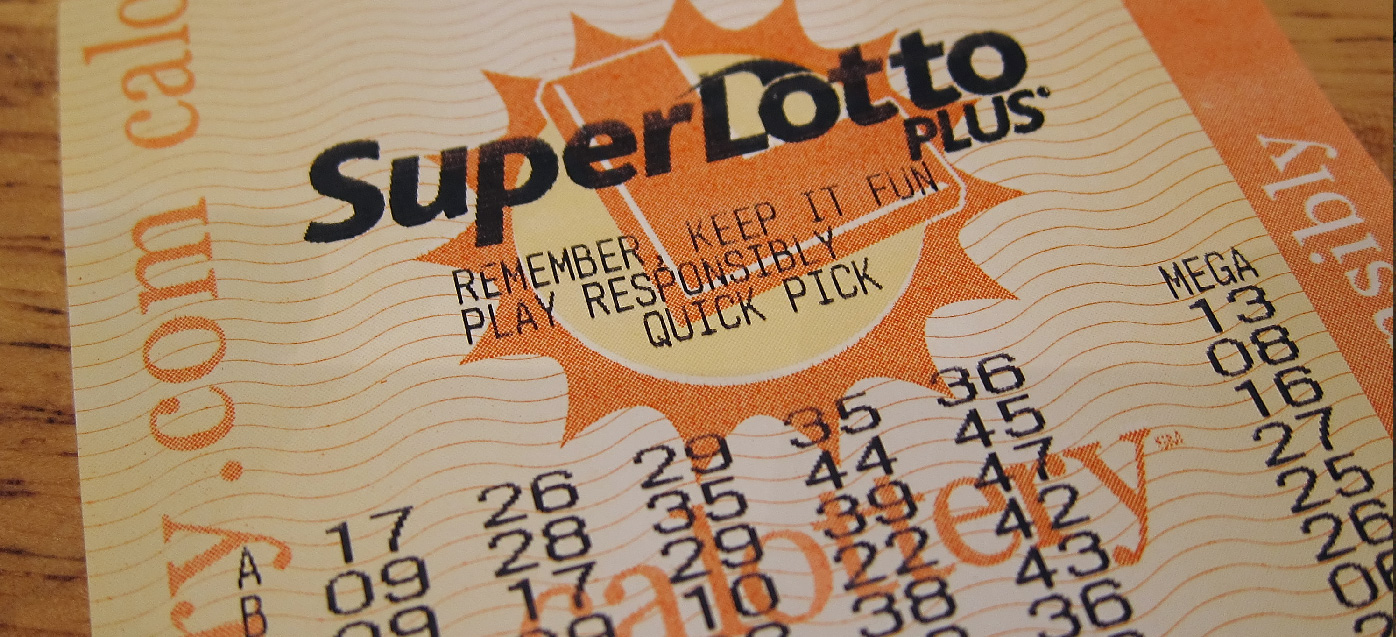
A lottery winner has some big decisions to make regarding what to do with the winnings. Buy a new home? A luxury convertible? A cruise around the world?
宝くじの当選者は、当選金をどうするかについて大きな決断をいくつも迫られる。新しい家を買うか。高級な折り畳み屋根の車か。世界一周の船旅か。
The likelihood of winning the lottery is slim, but we all love to fantasize about what we could buy with the winnings. One of the first things a lottery winner has to decide is whether to take the winnings in the form of a lump sum or as a series of regular payments, called an annuity, over an extended period of time.
宝くじに当たる確率は小さいが、当選金で何を買おうかと想像するのは楽しい。高額当選者が最初に選ぶことの1つは、当選金を一括で受け取るか、長期間にわたり定期的に受け取るかである。後者のような一定間隔で続く支払いを、数学では年金(annuity)として扱う。
This decision is often based on many factors, such as tax implications, interest rates, and investment strategies. There are also personal reasons to consider when making the choice, and one can make many arguments for either decision. However, most lottery winners opt for the lump sum.
この選択には、税負担、利率、投資方針などが関わる。個人の事情もあり、どちらを選ぶにも理由はあるが、原書によれば、多くの当選者は一括受け取りを選んでいる。
In this chapter, we will explore the mathematics behind situations such as these. We will take an in-depth look at annuities. We will also look at the branch of mathematics that would allow us to calculate the number of ways to choose lottery numbers and the probability of winning.
この章では、こうした選択の背後にある数学を学ぶ。まず、一定間隔で続く支払いや受け取りを詳しく調べる。さらに、宝くじの番号を選ぶ組み合わせの数や、当選する確率を求めるための考え方も学ぶ。