第8章周期関数Periodic Functions
Introduction to Periodic Functions周期関数への導入
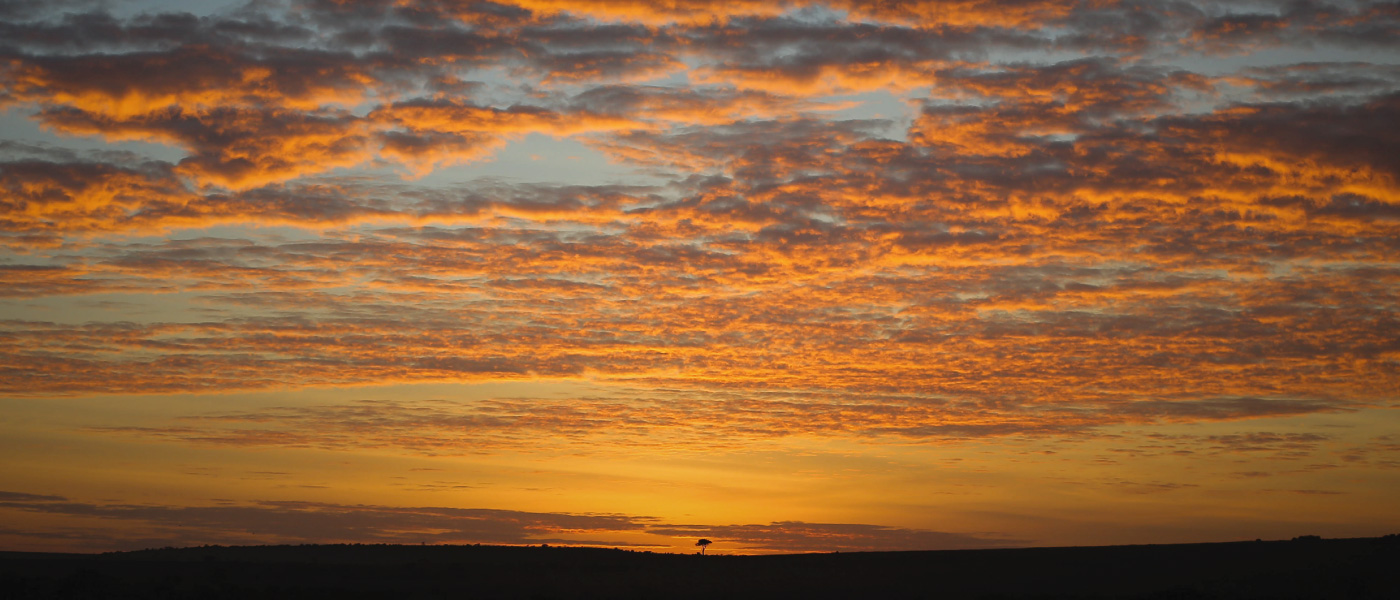
• 8.1 Graphs of the Sine and Cosine Functions • 8.2 Graphs of the Other Trigonometric Functions • 8.3 Inverse Trigonometric Functions
・8.1 正弦関数と余弦関数のグラフ・8.2 そのほかの三角関数のグラフ・8.3 逆三角関数
The sun has played a core role in many religions. The ancient Egyptian culture portrayed the sun god, Ra (sometimes written as Re), as undertaking a two-part daily journey, with one portion in the sky (day) and the other through the underworld (night). Surya, the Hindu sun god, traces a similar path through the sky on a chariot pulled by seven horses. While their origins and associated narratives are quite different, both Ra and Surya are primary deities and seen as creators and preservers of life. In many Native American cultures, the sun is core to spiritual and religious practice, but is not always a deity. The Sun Dance, practiced differently by many Native American tribes, was a ceremony that generally paid homage to the sun and, in many cases, tested or expressed the strength of the tribe's people.
太陽は多くの宗教で重要な役割を担ってきた。古代エジプトでは、太陽神ラーは昼に空を渡り、夜に冥界を通る旅を毎日繰り返すと考えられていた。ヒンドゥー教の太陽神スーリヤも、7頭の馬が引く戦車で空を進む。起源や物語は異なるが、どちらも生命を生み、支える主要な神とされている。アメリカ先住民の多くの文化でも、太陽は精神生活や宗教儀礼の中心にあるが、必ずしも神そのものとはみなされない。部族ごとに異なる形で行われるサンダンスは、太陽に敬意を表し、しばしば人々の強さを試したり示したりする儀式であった。
As one of the most most prominent natural phenomena and with its close association to giving life, the sun was an obvious subject for reverence. And its regularity, even in ancient times, made it the primary determinant of time. Each day, the sun rises in an easterly direction, approaches some maximum height relative to the celestial equator, and sets in a westerly direction. The celestial equator is an imaginary line that divides the visible universe into two halves in much the same way Earth’s equator is an imaginary line that divides the planet into two halves. The exact path the sun appears to follow depends on the exact location on Earth, but each location observes a predictable pattern over time.
太陽は、目立つ自然現象であると同時に、生命を育む存在でもある。そのため古くから崇敬の対象になり、規則的な動きは時を知る重要な手掛かりになった。太陽は東から昇り、空で最も高い位置に達したのち、西へ沈む。天球上の位置を表す基準の1つに天の赤道がある。これは、地球の赤道面を天球まで延ばしたときにできる大円である。太陽が空をたどる見かけの経路は観測する場所によって異なるが、どの場所でも時期に応じた規則性を見いだせる。
The pattern of the sun’s motion throughout the course of a year is a periodic function. Creating a visual representation of a periodic function in the form of a graph can help us analyze the properties of the function. In this chapter, we will investigate graphs of sine, cosine, and other trigonometric functions.
1年を通じて繰り返す太陽の動きは、周期関数を考える例になる。周期関数をグラフに表せば、その変化の特徴や規則性を調べやすくなる。この章では、正弦関数・余弦関数をはじめとする三角関数のグラフを学ぶ。