まえがき
Pedagogical foundation and features教育上の考え方と特色
Throughout Chemistry 2e, you will find features that draw the students into scientific inquiry by taking selected topics a step further. Students and educators alike will appreciate discussions in these feature boxes.
英語のヒント
『化学 第2版』の各所には、選んだ話題を一歩深く扱うことで、学生を科学的な探究へと導く特集を設けている。これらの特集欄の説明は、学生にも教育者にも役立つだろう。
- Chemistry in Everyday Life ties chemistry concepts to everyday issues and real-world applications of science that students encounter in their lives. Topics include cell phones, solar thermal energy power plants, plastics recycling, and measuring blood pressure.
英語のヒント
「暮らしの中の化学」は、化学の概念を、学生が生活の中で出会う日常の問題や科学の実際の応用と結びつける。携帯電話、太陽熱発電所、プラスチックのリサイクル、血圧の測定などを扱う。 - How Sciences Interconnect feature boxes discuss chemistry in context of its interconnectedness with other scientific disciplines. Topics include neurotransmitters, greenhouse gases and climate change, and proteins and enzymes.
英語のヒント
「科学のつながり」の特集欄では、他の科学分野との関わりの中で化学を考える。神経伝達物質、温室効果ガスと気候変動、タンパク質と酵素などを扱う。 - Portrait of a Chemist presents a short bio and an introduction to the work of prominent figures from history and present day so that students can see the “faces” of contributors in this field as well as science in action.
英語のヒント
「化学者の横顔」では、歴史上および現代の著名な人物の略歴と仕事を紹介する。学生は、この分野の発展に貢献した人々の「顔」と、科学が実際に働く様子を知ることができる。
Comprehensive art program充実した図版
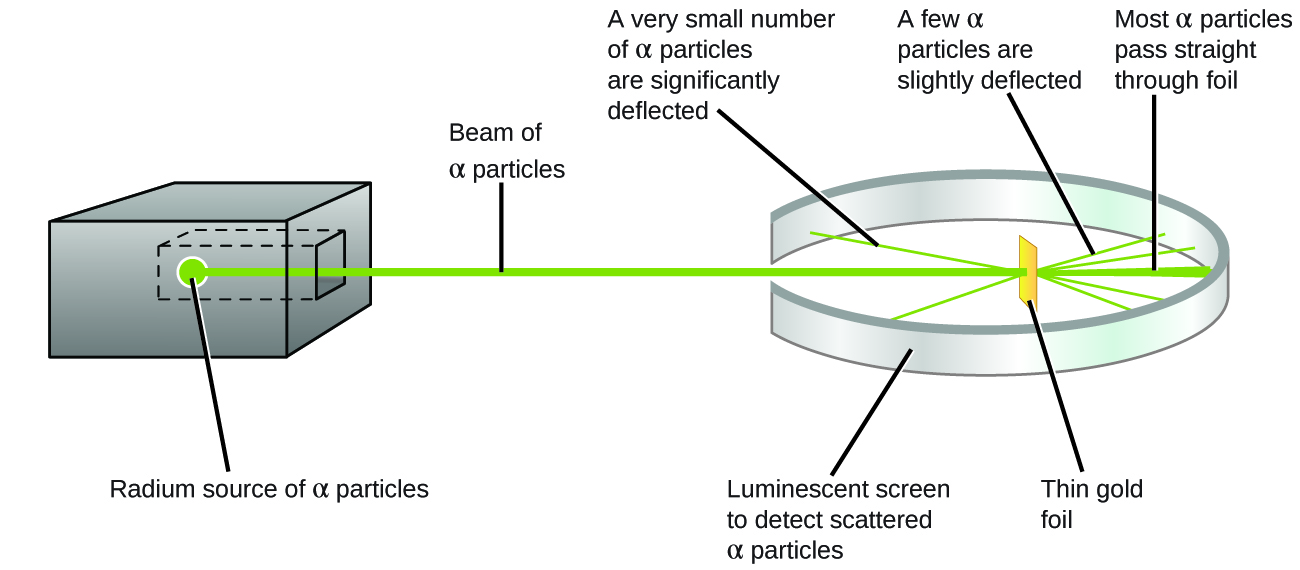
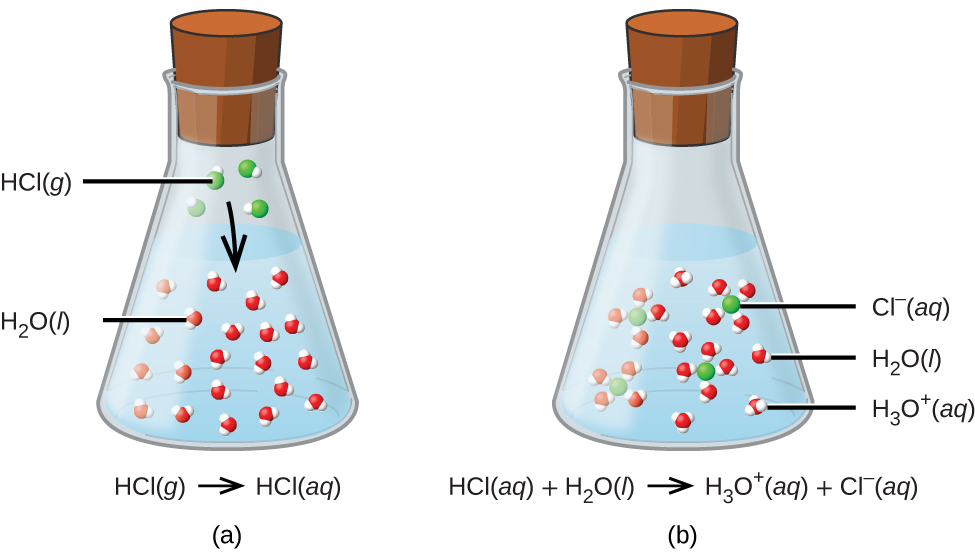
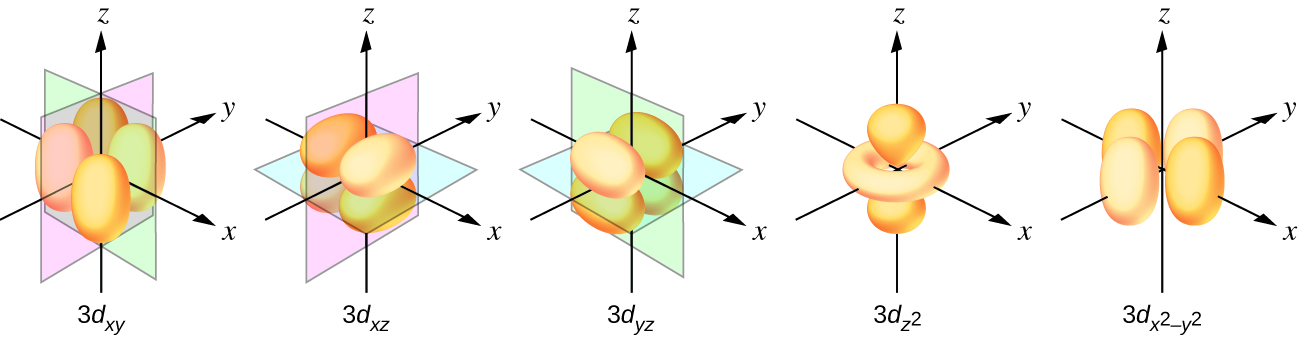
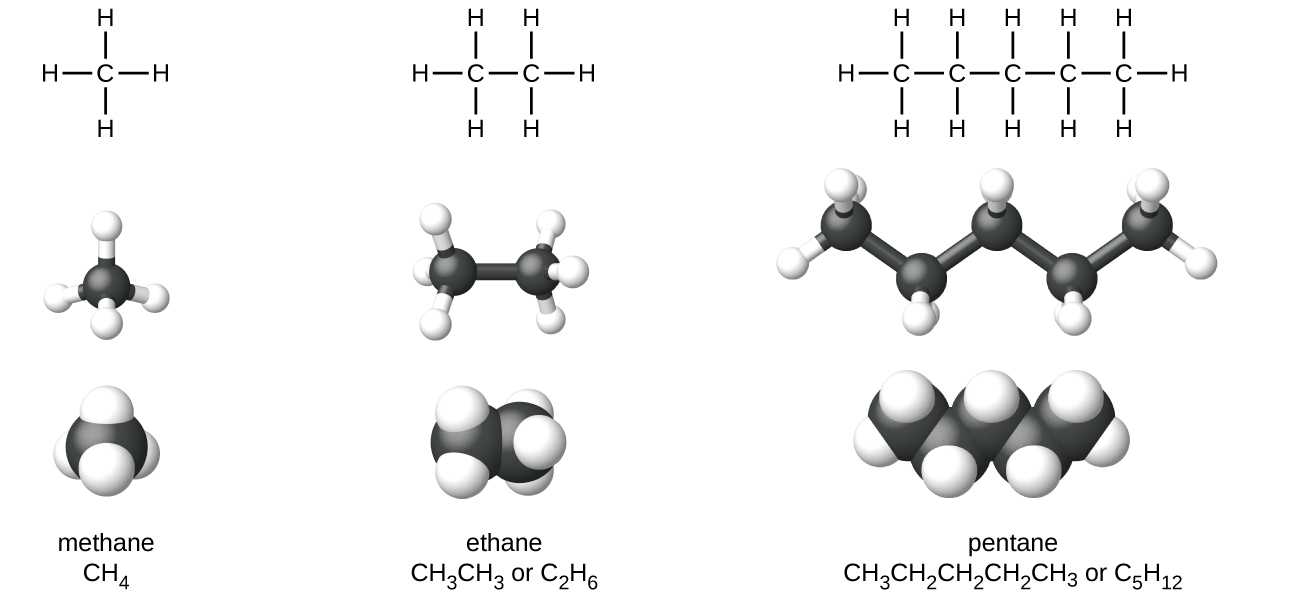
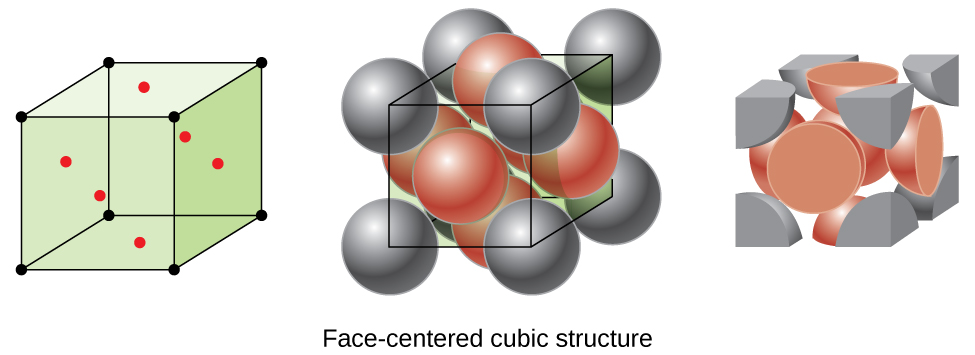
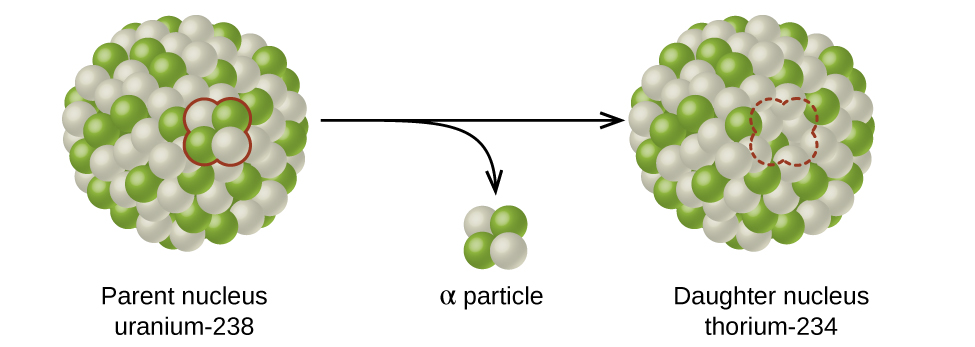
Our art program is designed to enhance students’ understanding of concepts through clear, effective illustrations, diagrams, and photographs.
本書の図版は、明快で効果的なイラスト、図、写真によって、学生が概念をよりよく理解できるように作られている。
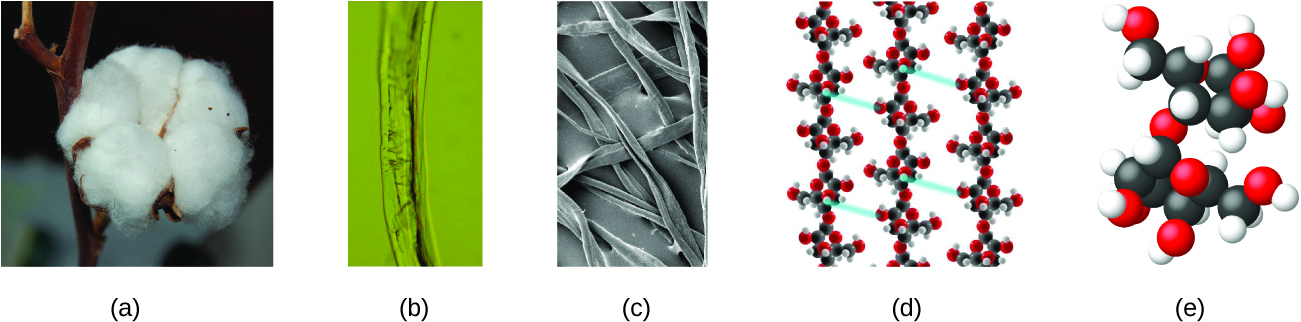
Featheredtar; modified by OpenStax. · CC BY 3.0; CC BY 4.0 composition · Source出典


Interactives that engage学習への関心を引き出す体験型教材
Chemistry 2e incorporates links to relevant interactive exercises and animations that help bring topics to life through our Link to Learning feature. Examples include:
英語のヒント
『化学 第2版』の「学習へのリンク」には、学ぶ内容を生き生きと理解するのに役立つ、関連の体験型演習やアニメーションへのリンクがある。例として、次のものが挙げられる。
- PhET simulationsPhETのシミュレーション
- IUPAC data and interactivesIUPACのデータと体験型教材
- TED TalksTED Talks
Assessments that reinforce key concepts重要な概念の理解を確かにする評価問題
In-chapter Examples walk students through problems by posing a question, stepping out a solution, and then asking students to practice the skill with a “Check Your Learning” component. The book also includes assessments at the end of each chapter so students can apply what they’ve learned through practice problems.
英語のヒント
章の途中にある「例題」では、まず問いを示し、解法を順を追って説明し、続いて「理解を確かめよう」で学生がその技能を練習できるようにしている。各章の末尾にも評価問題があり、練習問題を通じて学んだことを応用できる。
Answers to Questions in the Book本書の問題の解答
Answers to Examples are provided just below the question in the book. Odd-numbered Exercises are provided to students in the Answer Key as well as the Student Solution Guide on the Student Resources page. Even-numbered answers are provided only to instructors in the Instructor Answer Guide via the Instructor Resources page.
英語のヒント
例題の解答は、本書の問題のすぐ下に示されている。奇数番号の演習問題の解答は、「解答集」のほか、Student Resources(学生向け資料)のページにあるStudent Solution Guide(学生用解答ガイド)で提供される。偶数番号の解答は、Instructor Resources(教員向け資料)のページにあるInstructor Answer Guide(教員用解答ガイド)を通じ、教員だけに提供される。
Additional resources追加の資料
Student and instructor resources学生・教員向けの資料
We’ve compiled additional resources for both students and instructors, including Getting Started Guides, an instructor solutions manual, and PowerPoint slides. Instructor resources require a verified instructor account, which you can apply for when you log in or create your account on OpenStax.org. Take advantage of these resources to supplement your OpenStax book.
英語のヒント
学生と教員の両方に向けて、Getting Started Guides(利用開始ガイド)、教員用解答マニュアル、PowerPointスライドなどの追加資料をまとめている。教員向け資料には、教員であることが確認されたアカウントが必要である。このアカウントは、OpenStax.orgでログインするとき、またはアカウントを作成するときに申請できる。OpenStaxの教科書を補うために、これらの資料を活用してほしい。
Community Hubsコミュニティ・ハブ
OpenStax partners with the Institute for the Study of Knowledge Management in Education (ISKME) to offer Community Hubs on OER Commons — a platform for instructors to share community-created resources that support OpenStax books, free of charge. Through our Community Hubs, instructors can upload their own materials or download resources to use in their own courses, including additional ancillaries, teaching material, multimedia, and relevant course content. We encourage instructors to join the hubs for the subjects most relevant to your teaching and research as an opportunity both to enrich your courses and to engage with other faculty.
英語のヒント
OpenStaxは、Institute for the Study of Knowledge Management in Education(ISKME、教育における知識管理研究所)と協力し、OER Commons上にコミュニティ・ハブを提供している。これは、OpenStaxの教科書を支えるためにコミュニティが作成した資料を、教員が無料で共有できる場である。コミュニティ・ハブでは、教員が自分の教材をアップロードしたり、自分の授業で使うために資料をダウンロードしたりできる。追加の補助教材、授業用資料、マルチメディア、関連する授業内容などが含まれる。授業を充実させ、他の教員と交流する機会として、自分の教育や研究と特に関連の深い科目のハブに参加してほしい。
To reach the Community Hubs, visit www.oercommons.org/hubs/OpenStax.
コミュニティ・ハブへは、www.oercommons.org/hubs/OpenStaxからアクセスできる。
Technology partners技術面の協力組織
As allies in making high-quality learning materials accessible, our technology partners offer optional low-cost tools that are integrated with OpenStax books. To access the technology options for your text, visit your book page on OpenStax.org.
英語のヒント
質の高い教材を利用しやすくする協力者として、技術面の提携組織は、OpenStaxの教科書と連携した、任意で利用できる低価格のツールを提供している。使用中の教科書に対応する技術的な選択肢を調べるには、OpenStax.orgにある本書のページを参照してほしい。
About the authors著者について
Senior contributing authors主な執筆者
Paul Flowers, University of North Carolina at Pembroke
Dr. Paul Flowers earned a BS in Chemistry from St. Andrews Presbyterian College in 1983 and a PhD in Analytical Chemistry from the University of Tennessee in 1988. After a one-year postdoctoral appointment at Los Alamos National Laboratory, he joined the University of North Carolina at Pembroke in the fall of 1989. Dr. Flowers teaches courses in general and analytical chemistry, and conducts experimental research involving the development of new devices and methods for microscale chemical analysis.
Dr. Paul Flowers earned a BS in Chemistry from St. Andrews Presbyterian College in 1983 and a PhD in Analytical Chemistry from the University of Tennessee in 1988. After a one-year postdoctoral appointment at Los Alamos National Laboratory, he joined the University of North Carolina at Pembroke in the fall of 1989. Dr. Flowers teaches courses in general and analytical chemistry, and conducts experimental research involving the development of new devices and methods for microscale chemical analysis.
英語のヒント
Paul Flowers(ノースカロライナ大学ペンブローク校)Paul Flowers博士は、1983年にセント・アンドリューズ・プレスビテリアン・カレッジで化学の学士号を、1988年にテネシー大学で分析化学の博士号を取得した。ロスアラモス国立研究所で1年間の博士研究員としての勤務を経て、1989年秋にノースカロライナ大学ペンブローク校に着任した。一般化学と分析化学を教え、微小規模の化学分析のための新しい装置や方法の開発に関する実験研究を行っている。
Klaus Theopold, University of Delaware
Dr. Klaus Theopold (born in Berlin, Germany) received his Vordiplom from the Universität Hamburg in 1977. He then decided to pursue his graduate studies in the United States, where he received his PhD in inorganic chemistry from UC Berkeley in 1982. After a year of postdoctoral research at MIT, he joined the faculty at Cornell University. In 1990, he moved to the University of Delaware, where he is a Professor in the Department of Chemistry and Biochemistry and serves as an Associate Director of the University’s Center for Catalytic Science and Technology. Dr. Theopold regularly teaches graduate courses in inorganic and organometallic chemistry as well as general chemistry.
Dr. Klaus Theopold (born in Berlin, Germany) received his Vordiplom from the Universität Hamburg in 1977. He then decided to pursue his graduate studies in the United States, where he received his PhD in inorganic chemistry from UC Berkeley in 1982. After a year of postdoctoral research at MIT, he joined the faculty at Cornell University. In 1990, he moved to the University of Delaware, where he is a Professor in the Department of Chemistry and Biochemistry and serves as an Associate Director of the University’s Center for Catalytic Science and Technology. Dr. Theopold regularly teaches graduate courses in inorganic and organometallic chemistry as well as general chemistry.
英語のヒント
Klaus Theopold(デラウェア大学)ドイツのベルリン生まれのKlaus Theopold博士は、1977年にハンブルク大学でVordiplom(予備ディプローム)を取得した。その後、大学院での研究を米国で続けることにし、1982年にカリフォルニア大学バークレー校で無機化学の博士号を取得した。マサチューセッツ工科大学で1年間の博士研究員としての研究を経て、コーネル大学の教員となった。1990年にデラウェア大学に移り、化学・生化学科の教授、および同大学の触媒科学技術センターの副センター長を務めている。一般化学に加え、大学院の無機化学と有機金属化学の授業を定期的に担当している。
Richard Langley, Stephen F. Austin State University
Dr. Richard Langley earned BS degrees in Chemistry and Mineralogy from Miami University of Ohio in the early 1970s and went on to receive his PhD in Chemistry from the University of Nebraska in 1977. After a postdoctoral fellowship at the Arizona State University Center for Solid State Studies, Dr. Langley taught in the University of Wisconsin system and participated in research at Argonne National Laboratory. Moving to Stephen F. Austin State University in 1982, Dr. Langley today serves as Professor of Chemistry. His areas of specialization are solid state chemistry, synthetic inorganic chemistry, fluorine chemistry, and chemical education.
Dr. Richard Langley earned BS degrees in Chemistry and Mineralogy from Miami University of Ohio in the early 1970s and went on to receive his PhD in Chemistry from the University of Nebraska in 1977. After a postdoctoral fellowship at the Arizona State University Center for Solid State Studies, Dr. Langley taught in the University of Wisconsin system and participated in research at Argonne National Laboratory. Moving to Stephen F. Austin State University in 1982, Dr. Langley today serves as Professor of Chemistry. His areas of specialization are solid state chemistry, synthetic inorganic chemistry, fluorine chemistry, and chemical education.
英語のヒント
Richard Langley(スティーブン・F・オースティン州立大学)Richard Langley博士は、1970年代初めにオハイオ州のマイアミ大学で化学と鉱物学の学士号を取得し、その後1977年にネブラスカ大学で化学の博士号を取得した。アリゾナ州立大学の固体研究センターで博士研究員として研究した後、ウィスコンシン大学の大学群で教え、アルゴンヌ国立研究所の研究に参加した。1982年にスティーブン・F・オースティン州立大学に移り、現在は化学の教授を務めている。専門は固体化学、合成無機化学、フッ素化学、化学教育である。
William R. Robinson, PhD
William R. Robinson(博士)